A Supreme Court ruling clarifying that pension and retirement benefits can go only to a widow or a legally nominated beneficiary, not siblings, underscores a bigger shift in retirement finance: more money is now flowing through formal, designated savings channels, and the firms that administer those assets are positioned to benefit.
T. Rowe Price at $111.75 on retirement-asset theme
That matters because retirement wealth is becoming less a matter of informal family claims and more a matter of legal structure, contribution history and benefit timing. For households, the message is blunt: if you want retirement money to reach the right person, the paperwork has to be right. For investors, it reinforces the scale and stickiness of the retirement asset base that sits with managers such as T. Rowe Price and Franklin Resources, while also supporting insurers and retirement specialists that serve defined-contribution and pension plans.
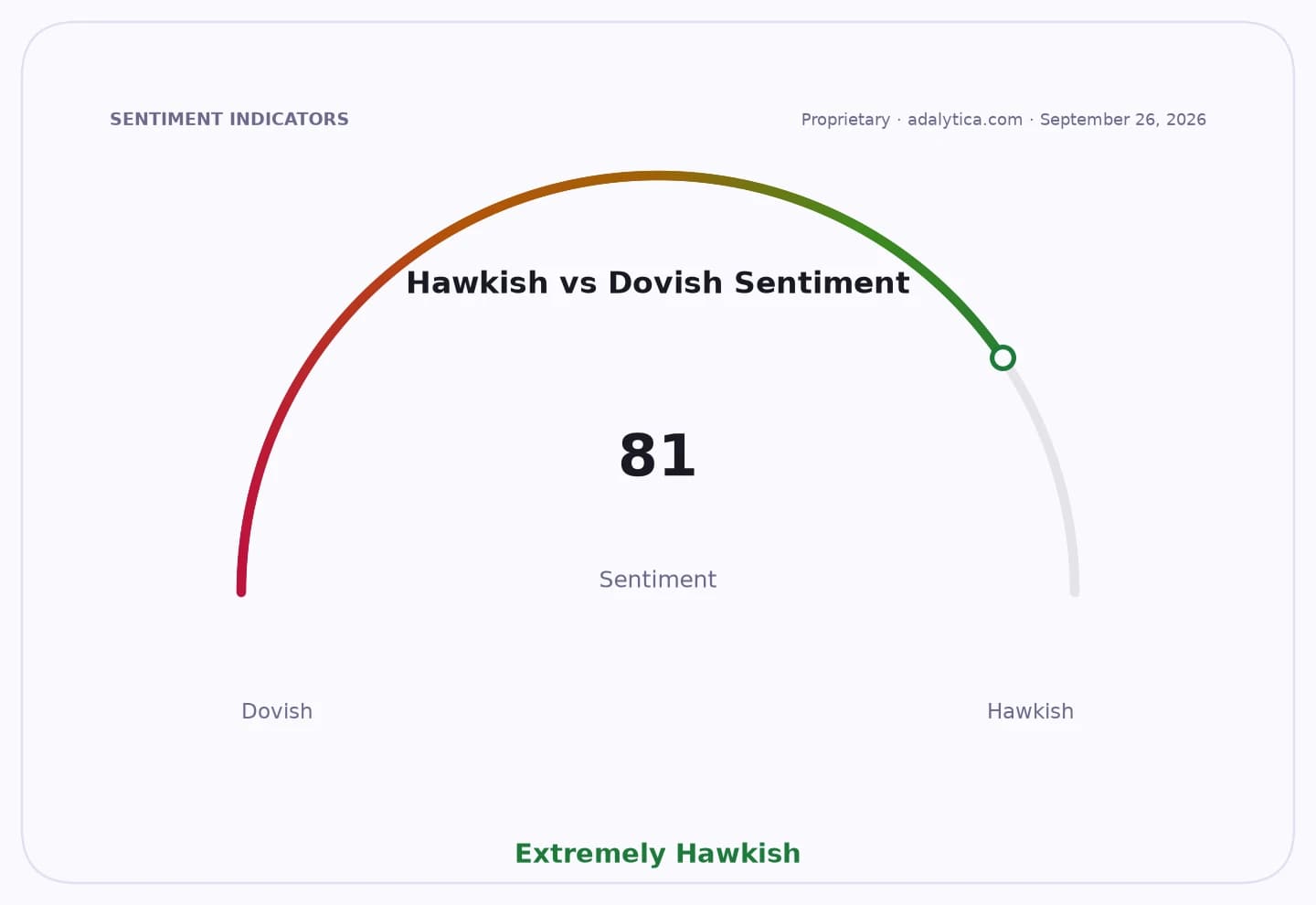
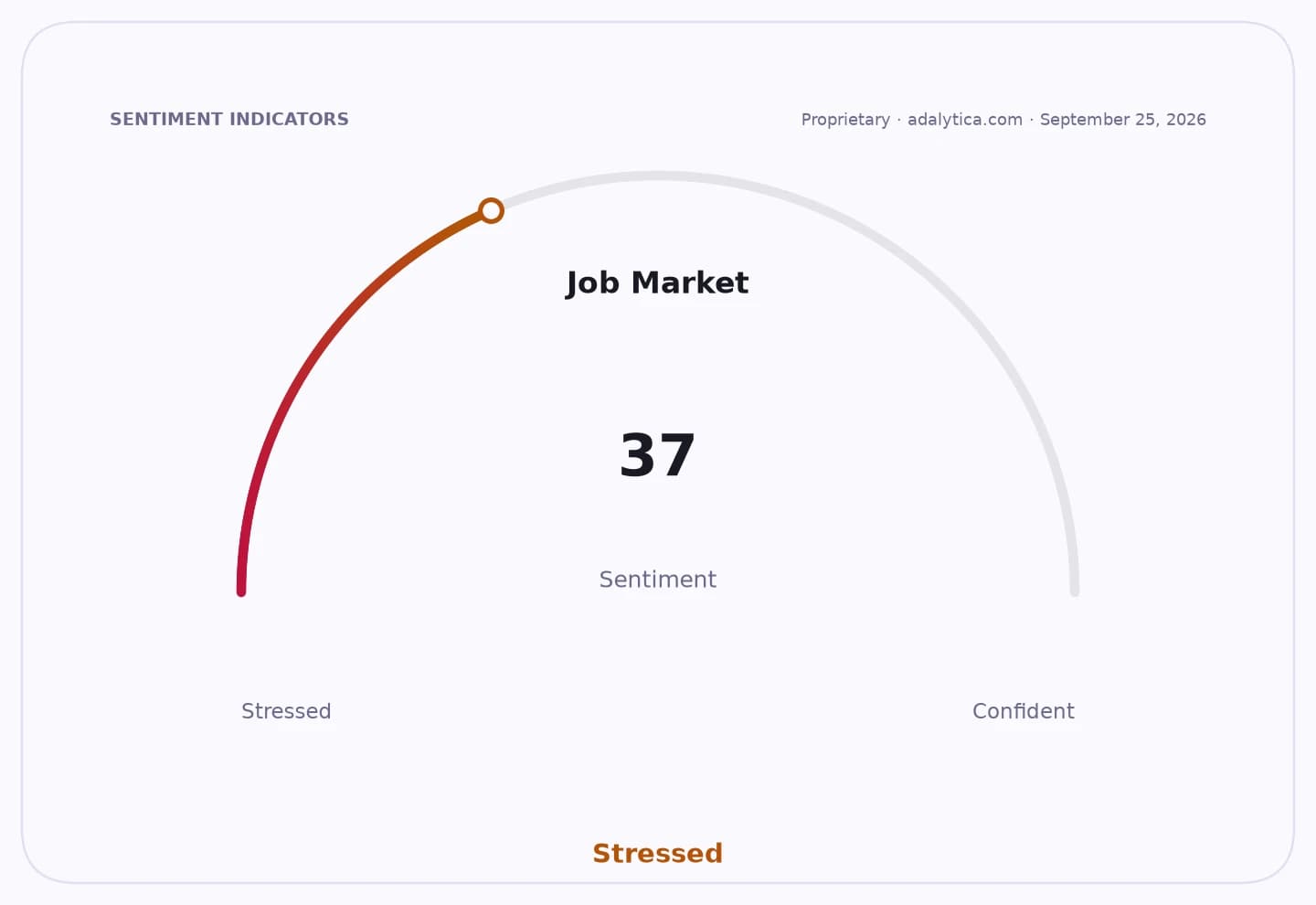
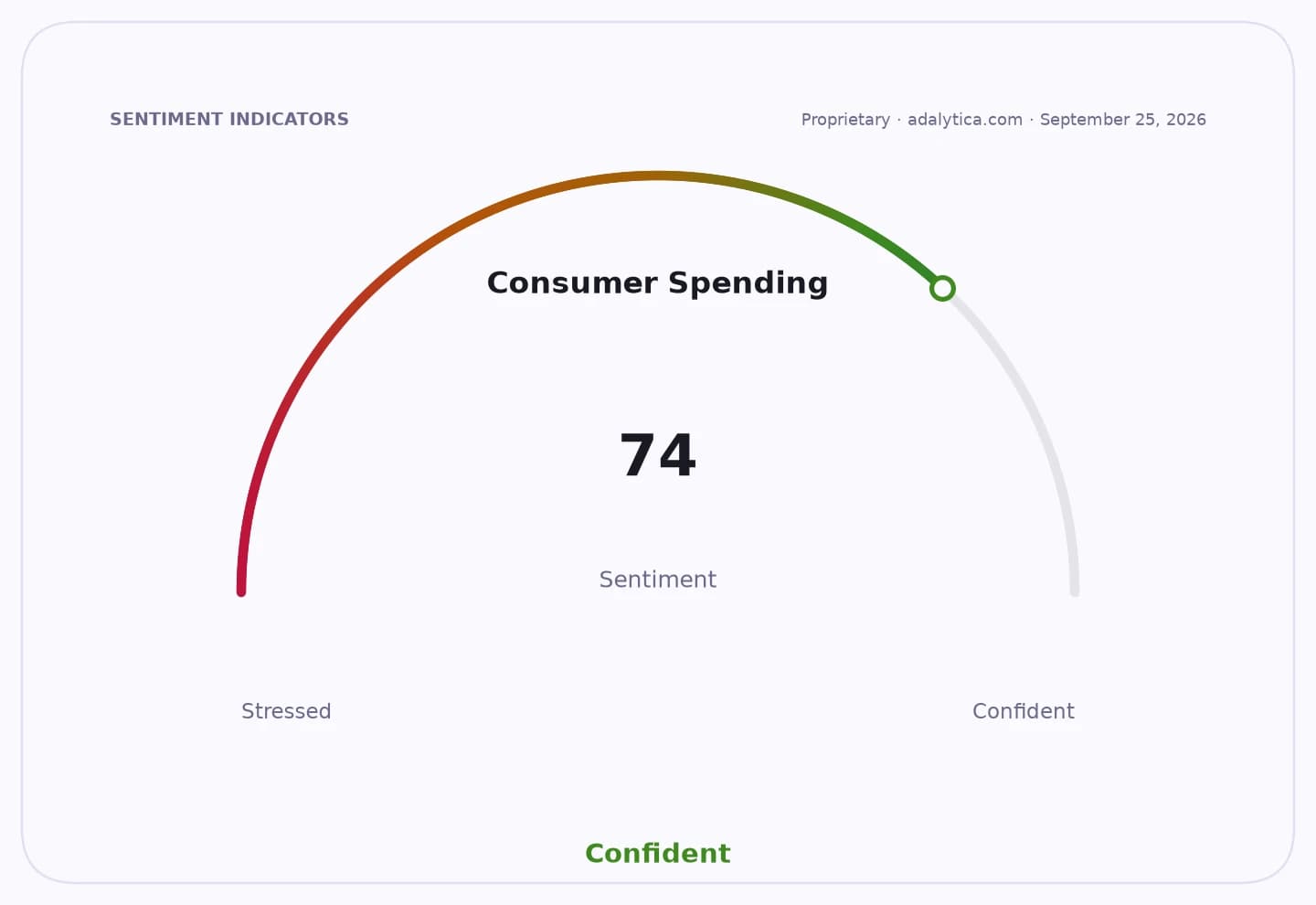
Sentiment IndicatorsⓘProprietary · adalytica.com · August 1, 2026
This is a snapshot — live sentiment, awareness and momentum for 130+ markets update continuously in the dashboard.Open AlphaPulse
The economics are straightforward. More contributions over a longer period build larger benefit pools, and delaying Social Security can lift monthly payments, making the timing of retirement a direct driver of lifetime income. The difference between partial and full eligibility also puts a premium on compliance, nomination records and plan administration. In a world where the aging population is fighting for every basis point of retirement security, legal certainty has commercial value.
T. Rowe Price is the cleaner way to play that theme. The stock has rallied to $111.75, above both its 50-day and 200-day moving averages, after rebounding sharply from a February low near $89.59. That tells you investors are starting to price in a better environment for asset gathering and retirement-plan administration. The company said in its latest filing that it provides participant accounting and plan administration for defined contribution retirement plans, with $349 billion in assets under administration at June 30. That is exactly the sort of fee-generating, recurring franchise that benefits when retirement savings stay inside the system longer.
Franklin Resources is the other beneficiary, but it is a messier recovery story. Its shares have climbed to $33.86 from $22.38 in November, and the company said investment management fees rose in its latest quarter on higher average equity, multi-asset and alternative assets under management. If retirement contributions remain steady and markets stay firm, Franklin gets operating leverage from rising asset values and fee income. But unlike T. Rowe, it still carries more of a turnaround discount, which could give it greater upside if capital flows surprise on the upside.
BlackRock sits at the top of the food chain. Its stock at $1,090.39 remains one of the market’s most durable compounding stories, and the firm is best positioned to harvest every incremental dollar that gets funneled into retirement accounts, target-date funds and outsourced administration. When rules harden around beneficiaries and contributions matter more, the largest platforms tend to win because they own the rails.
The broader market backdrop is supportive. U.S. inflation is still running above where the Fed would like it to be, with CPI at 332.568 in June and a forecast rise to 335.512 in July, while the federal funds rate sits at 3.63% and the 10-year Treasury yield has pushed to 4.68%. That combination keeps retirement savers focused on long-term accumulation rather than chasing short-dated income. It also keeps pressure on households to contribute more, not less, if they want to preserve purchasing power.
Our view is that the market underestimates how powerful this retirement “contribute more money” cycle can be. As legal protections tighten, benefit timing becomes more valuable and defined-contribution assets continue to absorb household savings, the winners are the platforms that collect fees on every contribution, rollover and allocation decision. For investors, that argues for staying overweight the toll roads of retirement finance — especially T. Rowe Price and BlackRock — while treating Franklin as a higher-beta rebound candidate. If more money must be contributed to secure retirement outcomes, the asset managers that hold those dollars are the ones to own now.
| Entity | Gains | Losses |
|---|---|---|
| TROW | ▲retirement-plan fees | ▼weaker inflows risk |
| BLK | ▲bigger asset base | ▼rate-sensitive flows |
| BEN | ▲AUM rebound | ▼turnaround skepticism |
| Heirs without nomination | ▲no claim rights | ▼benefit exclusion |