Taiwan’s inflation has not broken cleanly back toward comfort, and that matters because persistent price pressure is now colliding with a weakening consumer backdrop and rising import costs tied to energy and AI-driven industrial demand.
Taiwan CPI Rose 2.33% as Import Prices Jump
The island’s consumer price index rose 2.33% in October from a year earlier, the sixth straight month above the 2% threshold, while core CPI climbed 2.23%, underscoring that the slowdown in headline inflation is still leaving households with little relief. Dining-out prices rose 3.01% for a fifth consecutive month above 3%, a sign that everyday services remain sticky even as vegetables and holiday-related costs eased.
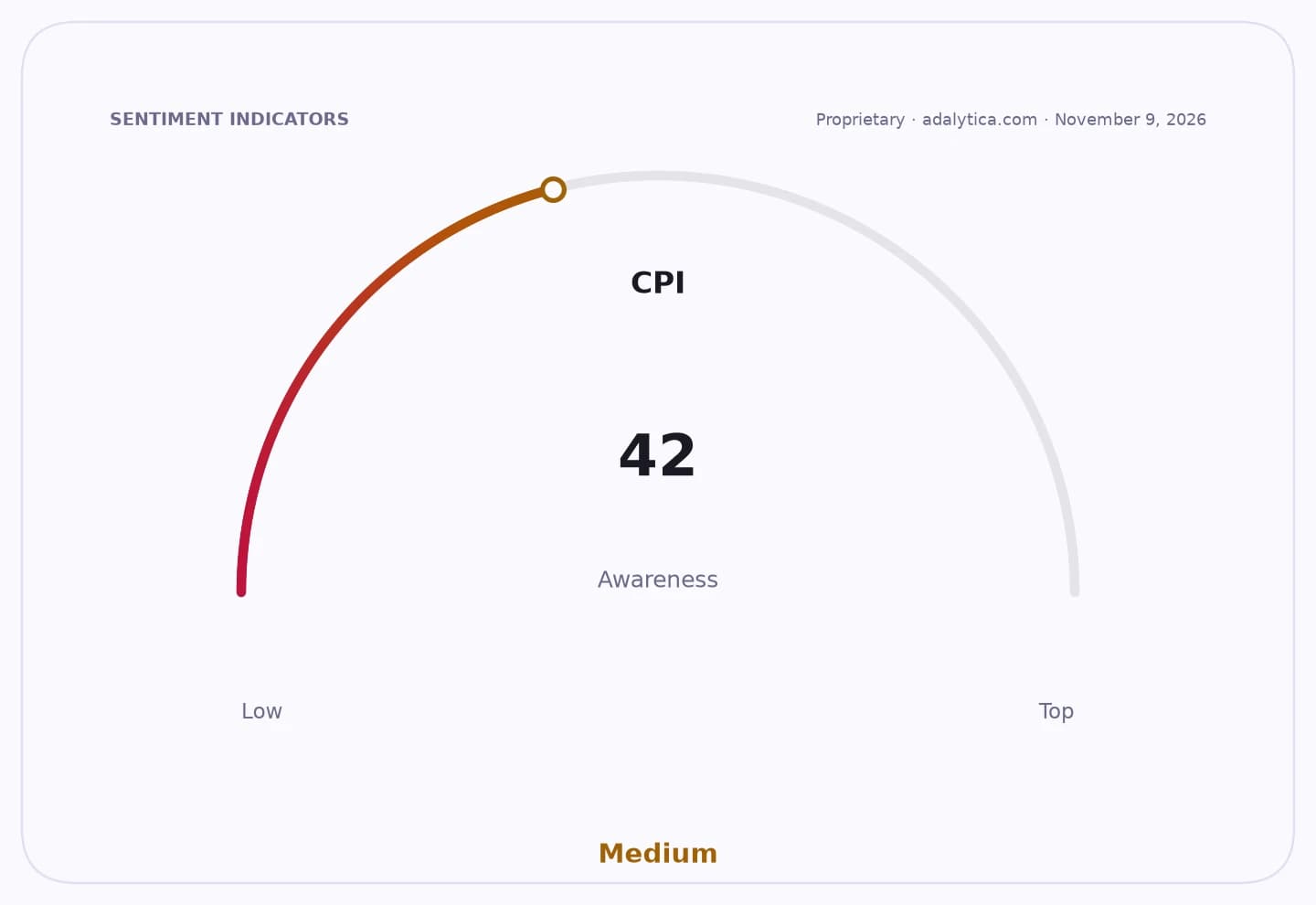
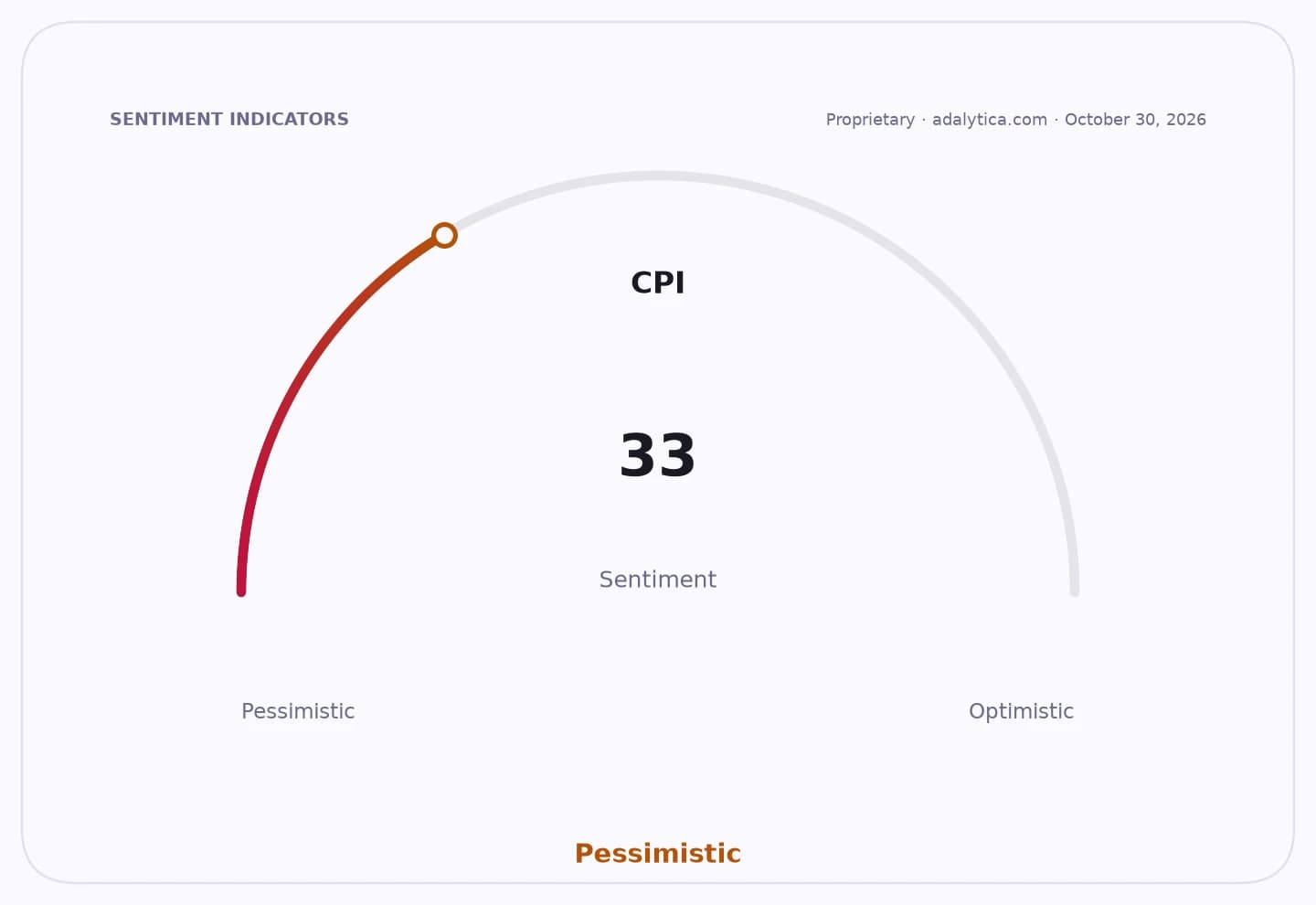
Sentiment Indicators
For policymakers, the bigger warning is not just the CPI print itself but the pace of imported inflation. Taiwan’s import price index in New Taiwan dollar terms jumped 33.32% from a year earlier, the sharpest rise since the series began in 1977, driven by minerals, machinery, electrical equipment and basic metals. In dollar terms, the increase of 26.72% was the steepest since 1980. That combination is important because Taiwan sits at the center of global electronics supply chains: higher input costs can eventually bleed into exporters’ margins and, with a lag, consumer prices.
The government will try to frame this as manageable. Officials said the Mid-Autumn Festival timing distorted the comparison base and that lower vegetable prices helped cool the headline rate from September’s 2.74%. But the trend that investors should focus on is broader: Taiwan is dealing with imported cost pressure just as consumer confidence weakens and households pull back on discretionary spending. That is not a healthy mix for domestic demand, and it raises the odds that real purchasing power stays under pressure into year-end.
The investment angle is clear. Taiwan’s economy is still being pulled by its export machine, especially semiconductors and AI-linked hardware, but the inflation data show that the benefits are not flowing evenly through the domestic economy. Companies exposed to export demand may be able to pass through some cost increases, while consumer-facing businesses, restaurants and local service providers face a tougher balance between price hikes and volume growth. The fact that imported machinery and electrical equipment prices are rising because of AI demand also reinforces the idea that Taiwan remains a critical toll road for the global buildout in compute, even if that buildout is creating some cost inflation along the way.
That is why this report matters beyond the monthly CPI number. It argues for a market that continues to favor Taiwan’s export-linked industrial and technology names over domestically focused consumption plays, while keeping pressure on policymakers to stay vigilant if imported inflation remains elevated. If November CPI also stays above 2%, as officials now expect, Taiwan will be forced to live with a more stubborn inflation floor than many investors may have assumed.
| Entity | Gains | Losses |
|---|---|---|
| Exporters | ▲Stronger pricing power abroad | ▼Higher imported input costs |
| Domestic consumers | ▲Lower vegetable prices | ▼Sticky food and dining costs |
| AI hardware makers | ▲Demand for machinery and components | ▼Margin pressure from pricier parts |
| Taiwan policymakers | ▲Evidence inflation is easing from September | ▼Pressure to monitor prices and support households |