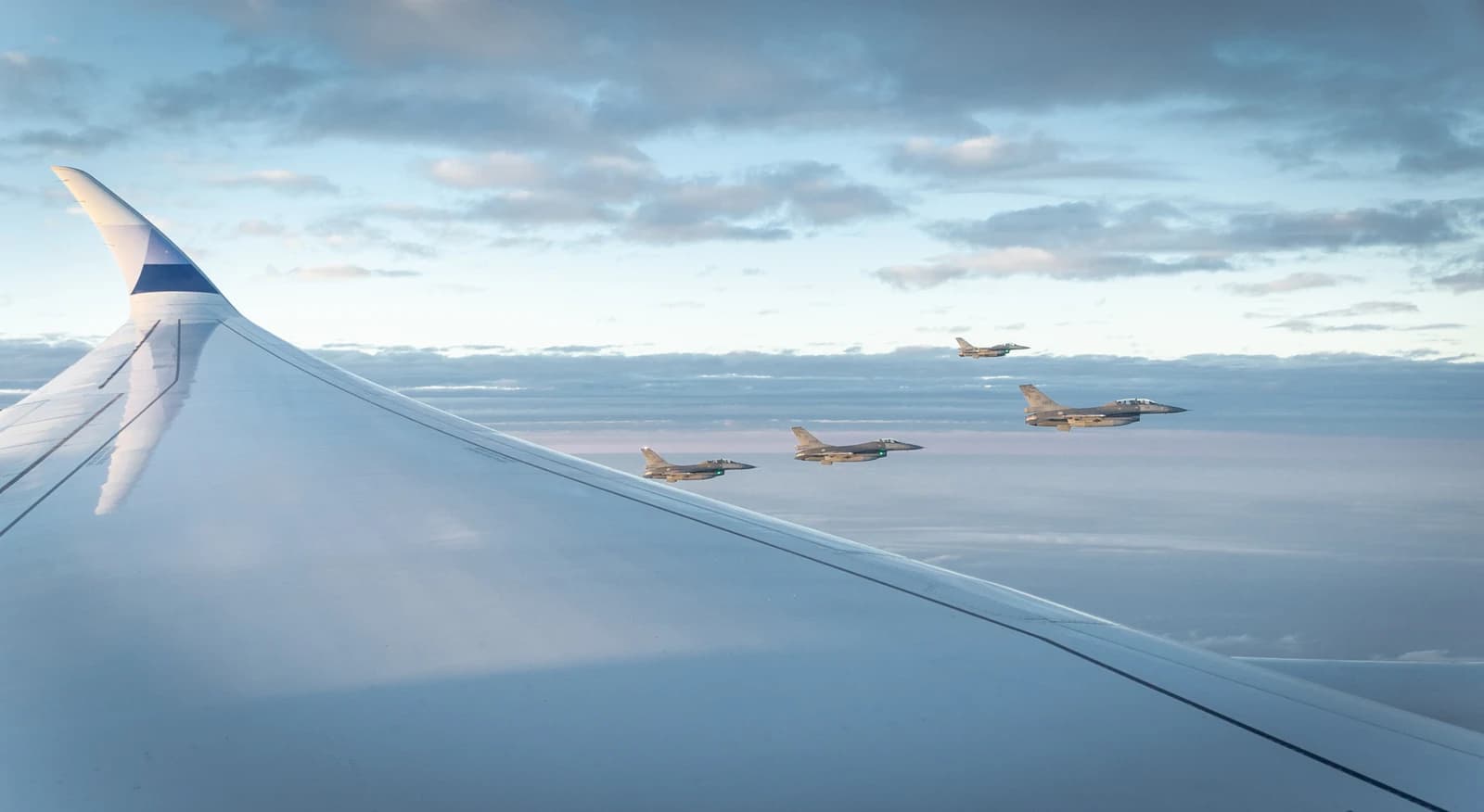
China’s public protest over the first delivery of new U.S.-made F-16 Block 70 fighters to Taiwan underscores how the island’s air-defense buildup is becoming a more entrenched flashpoint in the world’s most important geopolitical rivalry. For investors, the significance is clear: Washington is not pulling back from Taiwan, Beijing is not backing down, and the arms race around the Strait is likely to keep feeding defense spending, sanctions risk and supply-chain stress across the sector.
Taiwan F-16 delivery lifts defense demand
The latest delivery, made to a base in Taitung, is part of a 66-aircraft order approved by Washington in 2019 to strengthen Taiwan’s air power. Beijing’s foreign ministry again demanded that the U.S. respect the “one China” principle, while reiterating its view that Taiwan is Chinese territory. That response fits a broader pattern of escalation rather than a one-off diplomatic flare-up. In September, China sanctioned 20 U.S. defense companies and 10 executives over weapons transfers to Taiwan, showing that it is willing to move beyond rhetoric and hit contractors directly.
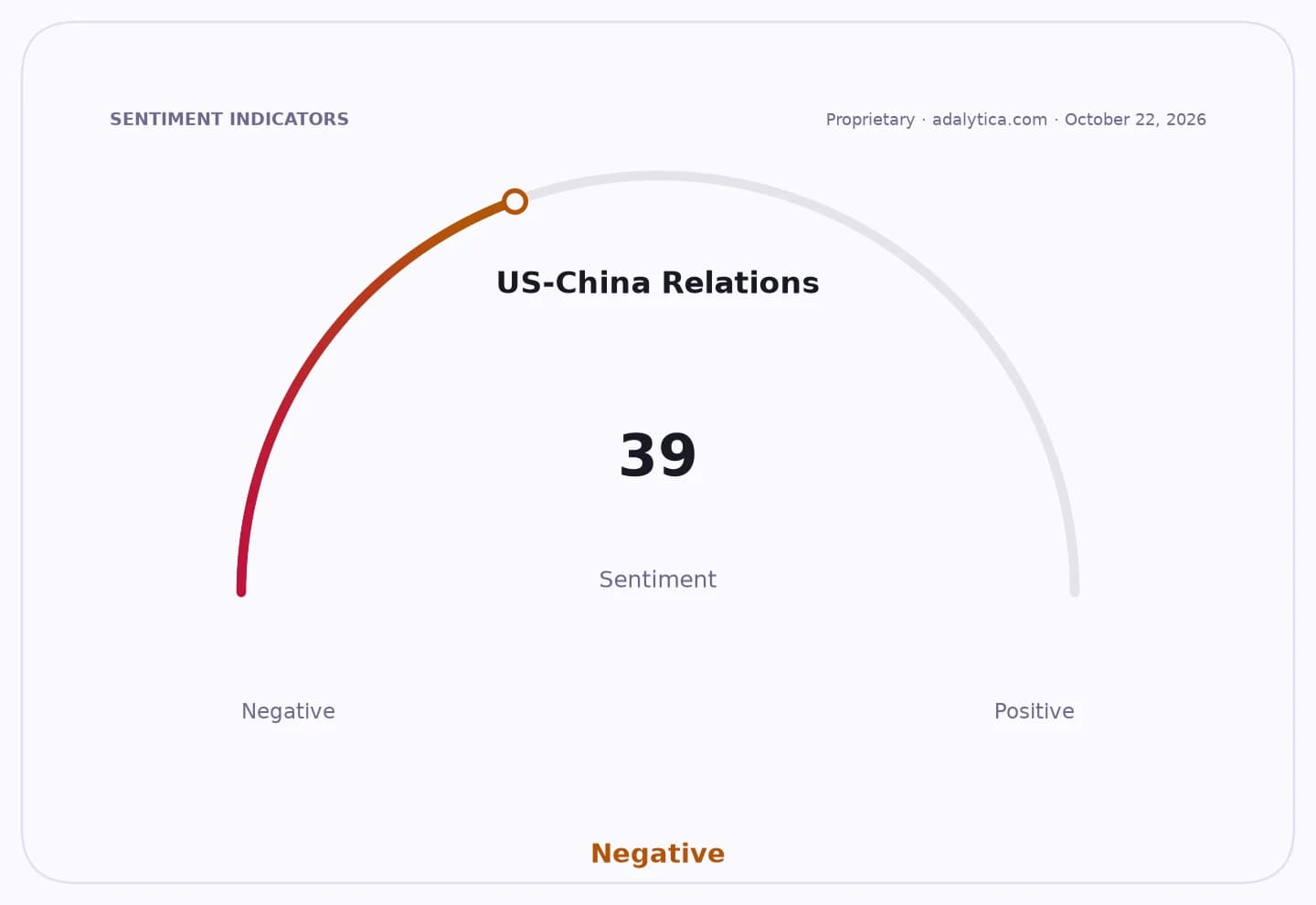
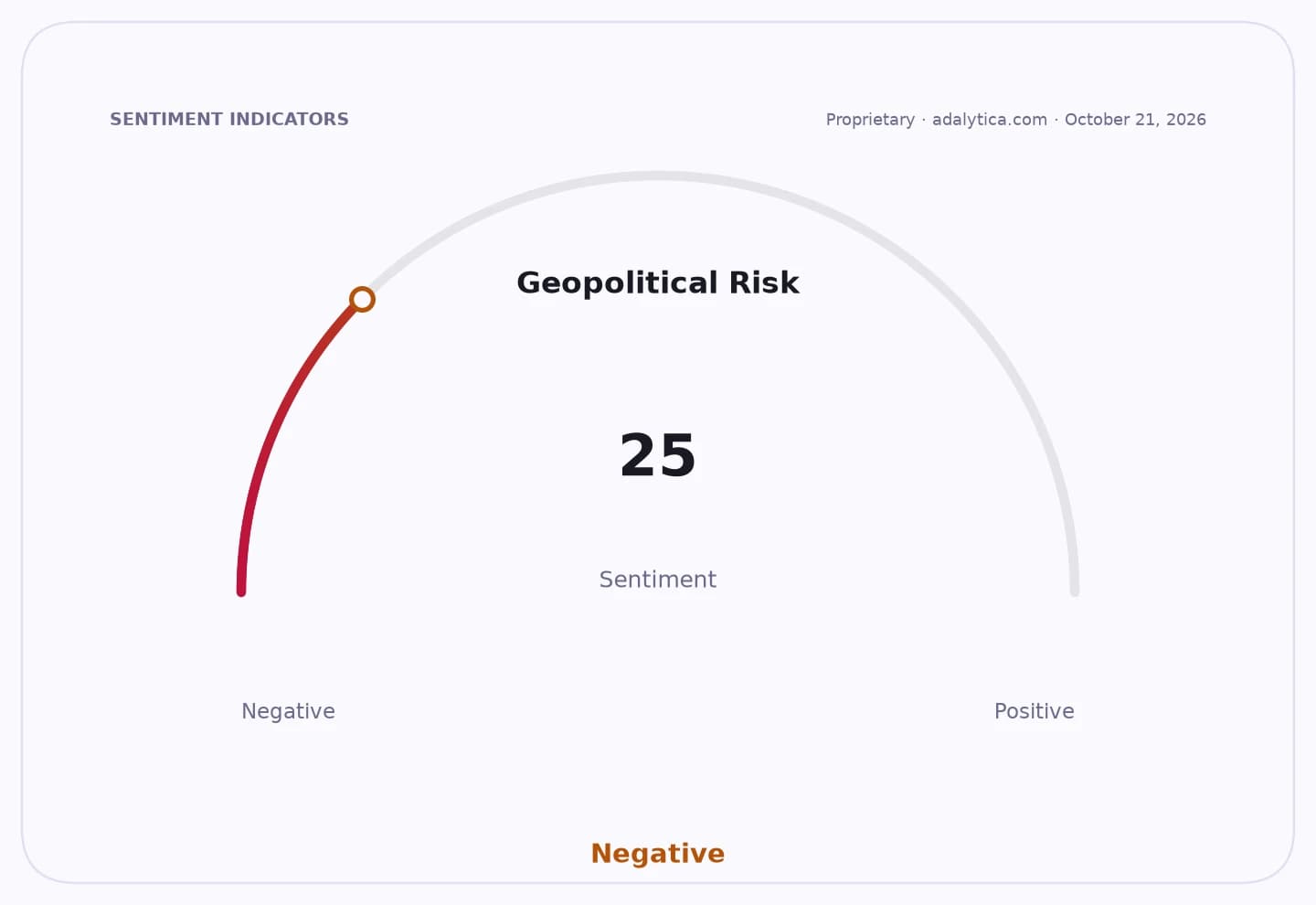
Sentiment IndicatorsⓘProprietary · adalytica.com · October 21, 2026
This is a snapshot — live sentiment, awareness and momentum for 130+ markets update continuously in the dashboard.Open AlphaPulse
That matters economically because Taiwan is now one of the clearest demand centers for U.S. defense hardware in Asia. The island’s rearmament requires not just fighter jets but training, maintenance, munitions, electronics and long-cycle support contracts that can stretch for years. The U.S. is also said to be weighing a new arms package worth about $14 billion, which would reinforce the view that Taiwan remains a durable revenue stream for prime contractors even as Washington manages broader tension with Beijing.
For investors, the message is that geopolitics is becoming a multi-year tailwind for the defense trade, not a short-lived headline. Lockheed Martin, which makes the F-16, stands directly in the path of that demand. Its shares have been volatile, but the stock has recovered to around $548 after falling below $500 earlier this month, and momentum indicators are stabilizing: the price is back above the 50-day moving average and RSI readings have recovered to over 70 on the latest data. RTX and Northrop Grumman also stand to benefit from any follow-on Taiwan package through sensors, missile systems and integrated air-defense spending, with both names trading well above their 50-day averages after recent pullbacks.
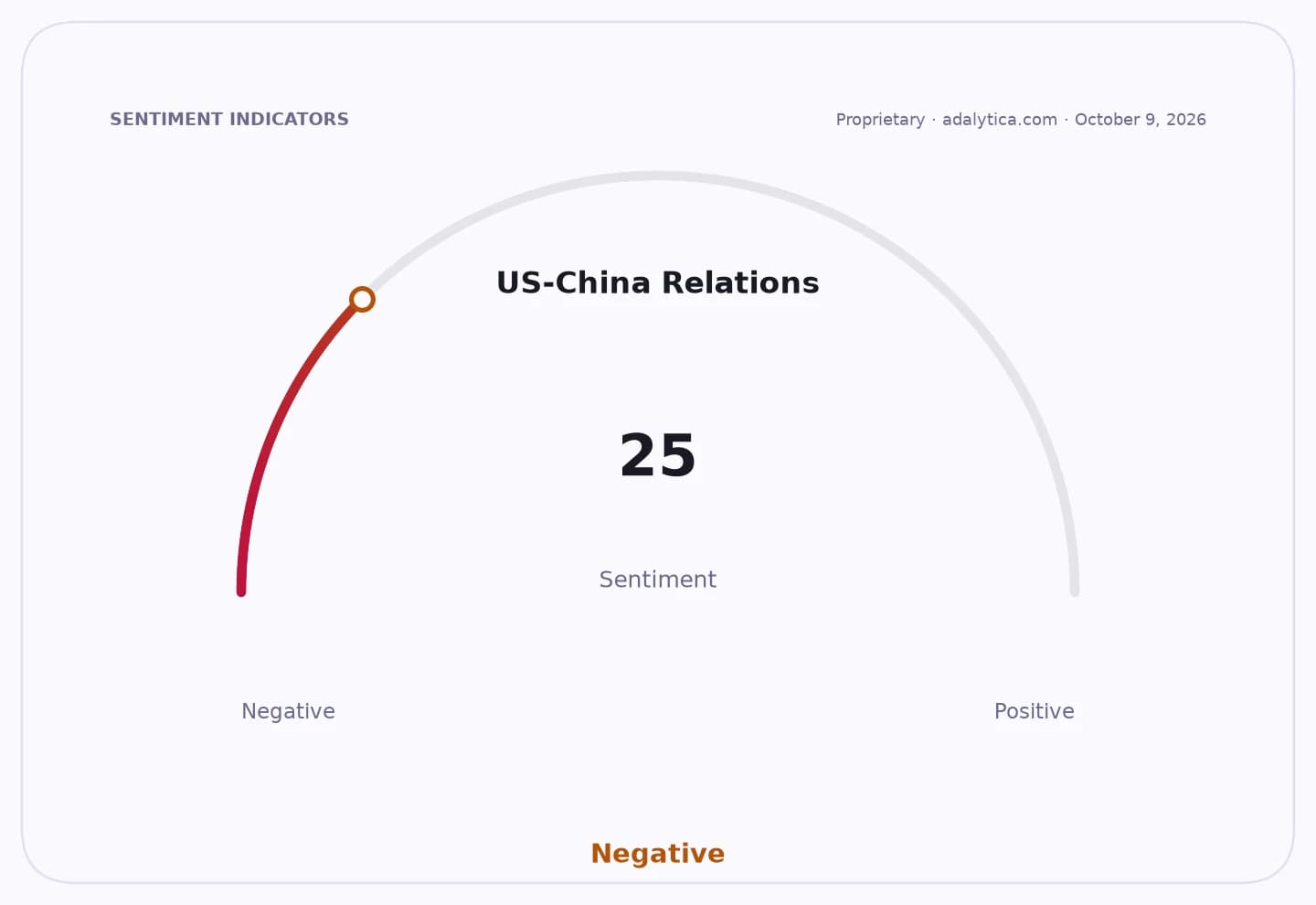
US-China Relations vs LMTadalytica.com
Explore this data interactively — full history, time series and cross-market comparisons.Open AlphaPulse
The bigger investment point is that Taiwan is increasingly a forcing function for defense-capex across the Indo-Pacific. Every new sale to Taipei raises the probability of countermeasures from Beijing, more scrutiny on suppliers and more urgency from allied governments to shore up deterrence. That supports not only prime contractors but also the picks-and-shovels layer of the defense supply chain: avionics, guidance, radar, software and sustainment providers that benefit as procurement cycles lengthen and budgets rise.
The market is still underestimating how persistent this cycle can be. As long as China keeps treating arms deliveries as a red line and the U.S. keeps using military support to reinforce deterrence, the Taiwan story will keep converting into orders, backlog and earnings visibility for defense names. For long-term investors, that is exactly the kind of geopolitical inflection point that rewards early positioning.
| Entity | Gains | Losses |
|---|---|---|
| Lockheed Martin | ▲F-16 backlog growth | ▼China retaliation risk |
| RTX | ▲Missile and sensor demand | ▼Political scrutiny |
| Northrop Grumman | ▲Air-defense spending | ▼Margin pressure from escalation |
| China | ▲Domestic nationalist messaging | ▼Diplomatic leverage erosion |