Tamil Nadu’s decision to raise milk procurement prices by Rs 3 a litre is not enough to offset rising farm costs, according to Anbumani, who says the state needs to lift the rate by at least Rs 7 a litre to protect producers.
Tamil Nadu milk procurement price hike dispute
The dispute matters because milk is one of the most politically sensitive staples in India and a key source of cash flow for millions of small farmers. A token increase in procurement prices may offer only partial relief at a time when diesel, feed, sugar and packaging costs remain elevated, squeezing margins across the dairy chain and raising the risk of lower supply if producers cut back.
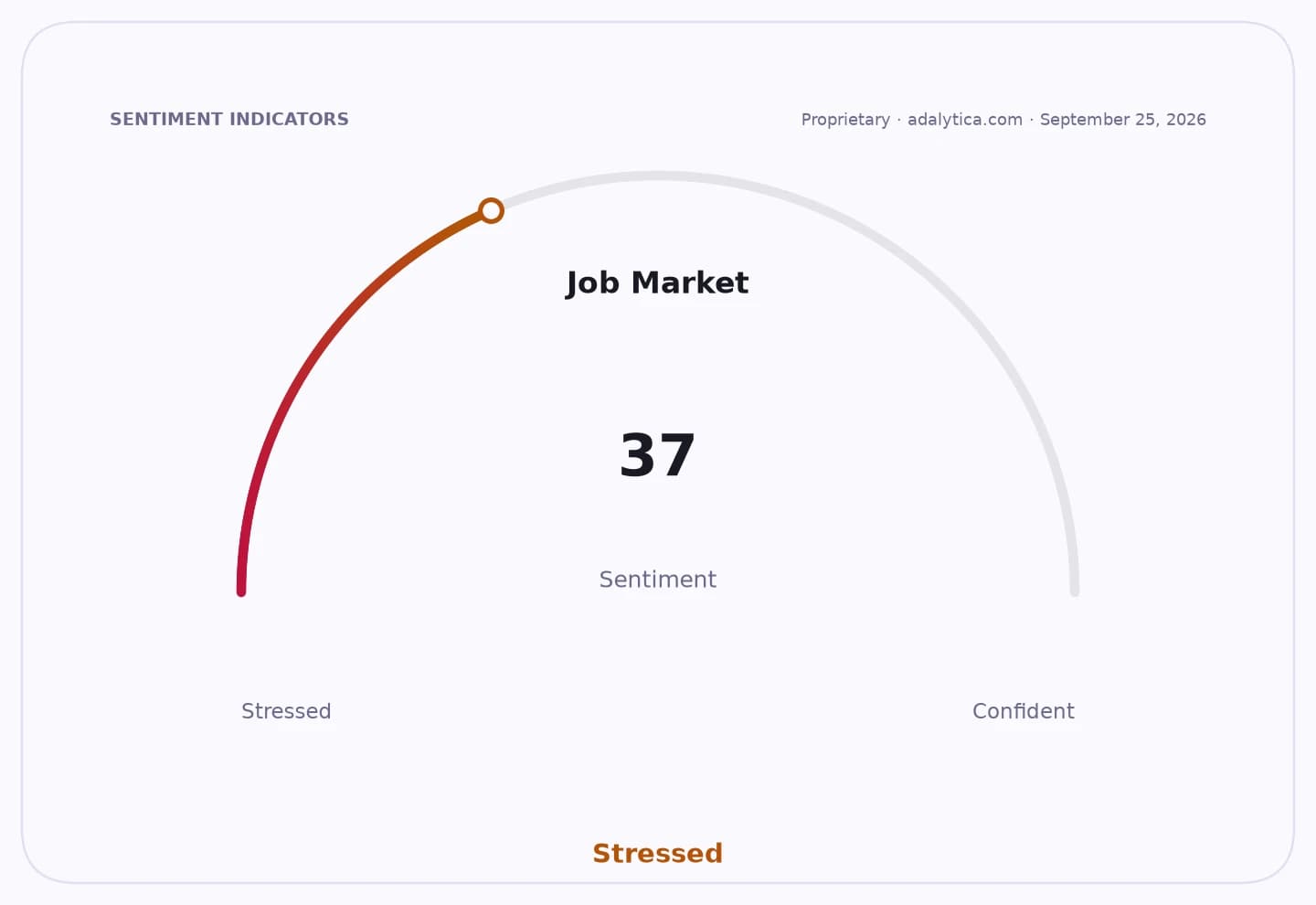
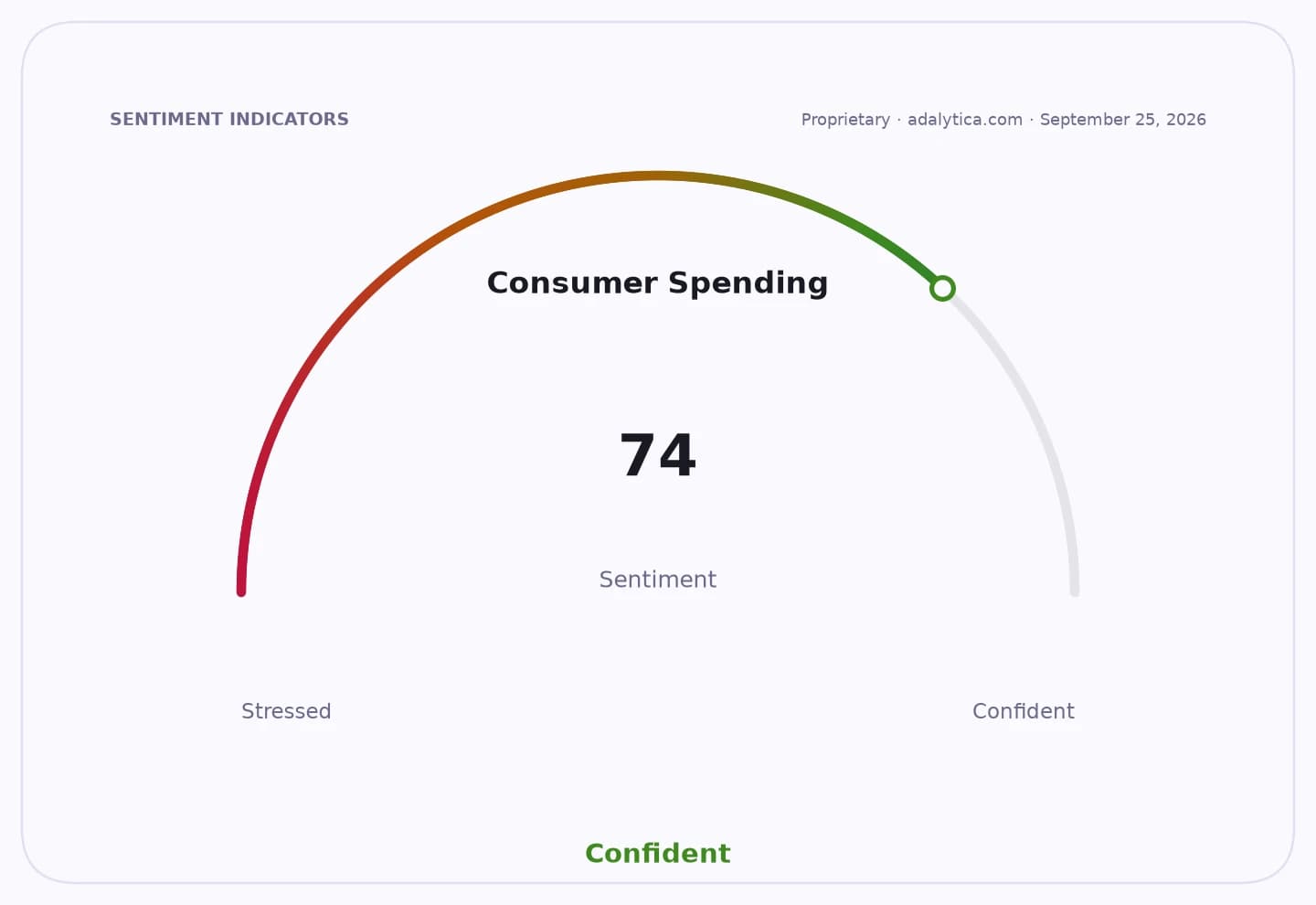
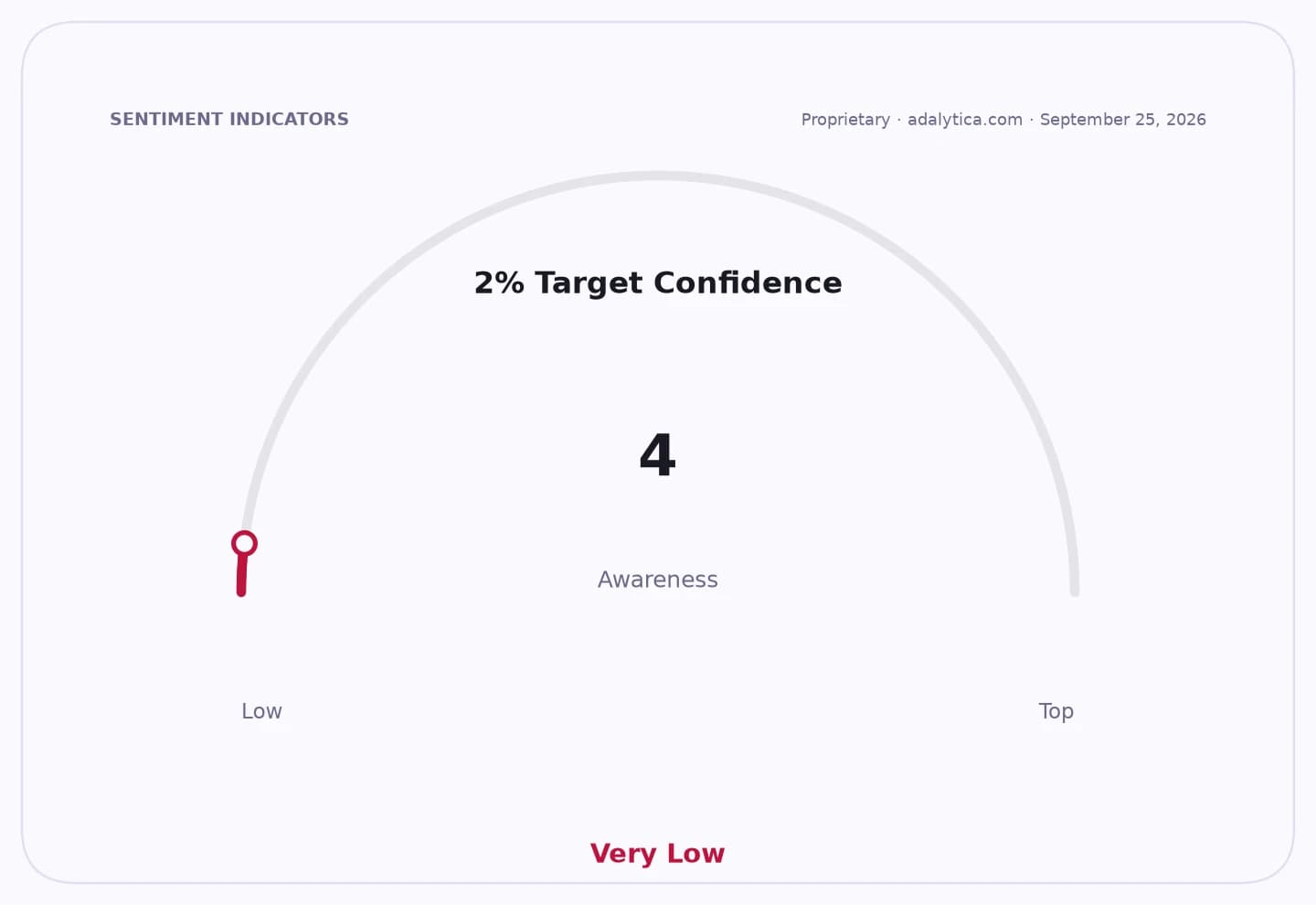
Sentiment IndicatorsⓘProprietary · adalytica.com · August 19, 2026
This is a snapshot — live sentiment, awareness and momentum for 130+ markets update continuously in the dashboard.Open AlphaPulse
For farmers, the issue is not just headline inflation but the gap between what it costs to produce a litre and what dairies are willing to pay. The broader dairy industry has already been adjusting procurement and retail prices in several markets, including a rise from Rs 38 to Rs 41 a litre in Tamil Nadu and a Rs 2-a-litre increase in Maharashtra from Aug. 11, underscoring how widespread the pressure has become. In some cases, companies are also using feed discounts or rebates to retain suppliers, suggesting the problem is being managed as much through incentives as through outright price hikes.
That dynamic has implications for consumers and investors alike. If procurement prices rise further, dairies may need to pass costs through to retail shelves, which can feed into food inflation and strain demand for packaged milk, curd and value-added dairy products. If they cannot, margins come under pressure, especially for companies already dealing with higher input costs and uneven volume trends. Recent disclosures from large consumer staples groups have pointed to pricing actions, efficiency measures and hedging as the main tools for offsetting inflation, but those levers are not unlimited.
The policy question now is whether the state is prepared to support farmers more aggressively or risk a tighter milk supply later in the year. With production already under cost strain and demand still firm, the next move on procurement pricing will shape farm incomes, dairy margins and the inflation outlook for one of India’s most essential food items.
| Entity | Gains | Losses |
|---|---|---|
| Dairy farmers | ▲Higher procurement support | ▼Margin squeeze if hike stays at Rs 3 |
| Tamil Nadu consumers | ▲Limited near-term price relief | ▼Risk of future retail price increases |
| Dairy processors | ▲Stable supply if producers stay engaged | ▼Higher input costs and thinner margins |
| Maharashtra and other states | ▲Benchmark for producer demands | ▼Pressure to match higher procurement prices |