Century Aluminum is positioning itself as a direct beneficiary of Washington’s tougher trade stance on aluminum, with Trump’s proposed import incentive and tariff pressure potentially improving pricing power for domestic producers and tightening the economics for foreign supply.
Tariff Hopes Lift Century Aluminum Outlook
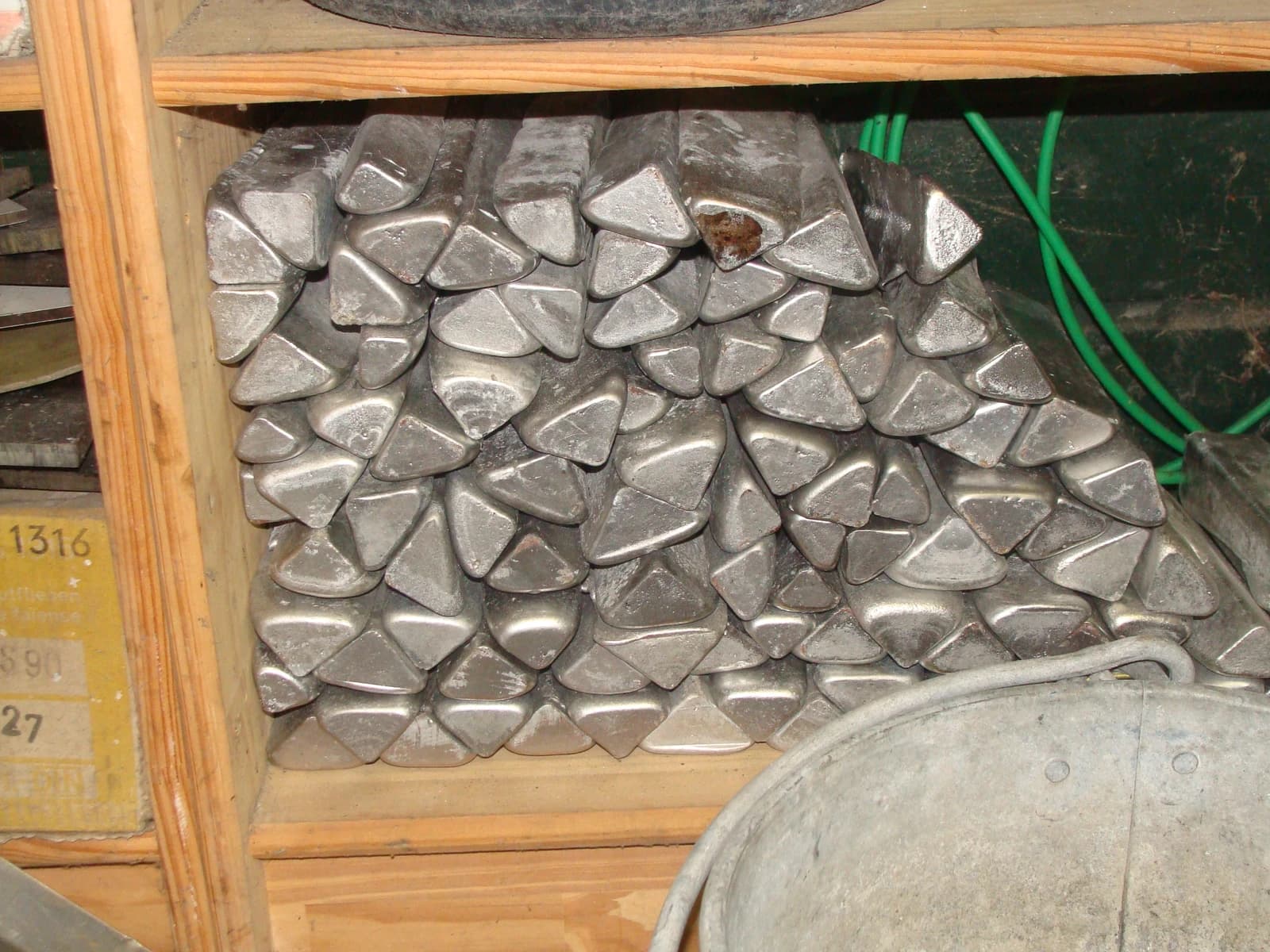
The stakes are immediate for U.S. aluminum investors: higher barriers to imports can widen the domestic premium, support margins and make idled or underutilized U.S. capacity more valuable. For Century, which has long argued that Section 232-style protections are designed to restore primary aluminum production in the U.S., the policy shift goes to the core of its business model.
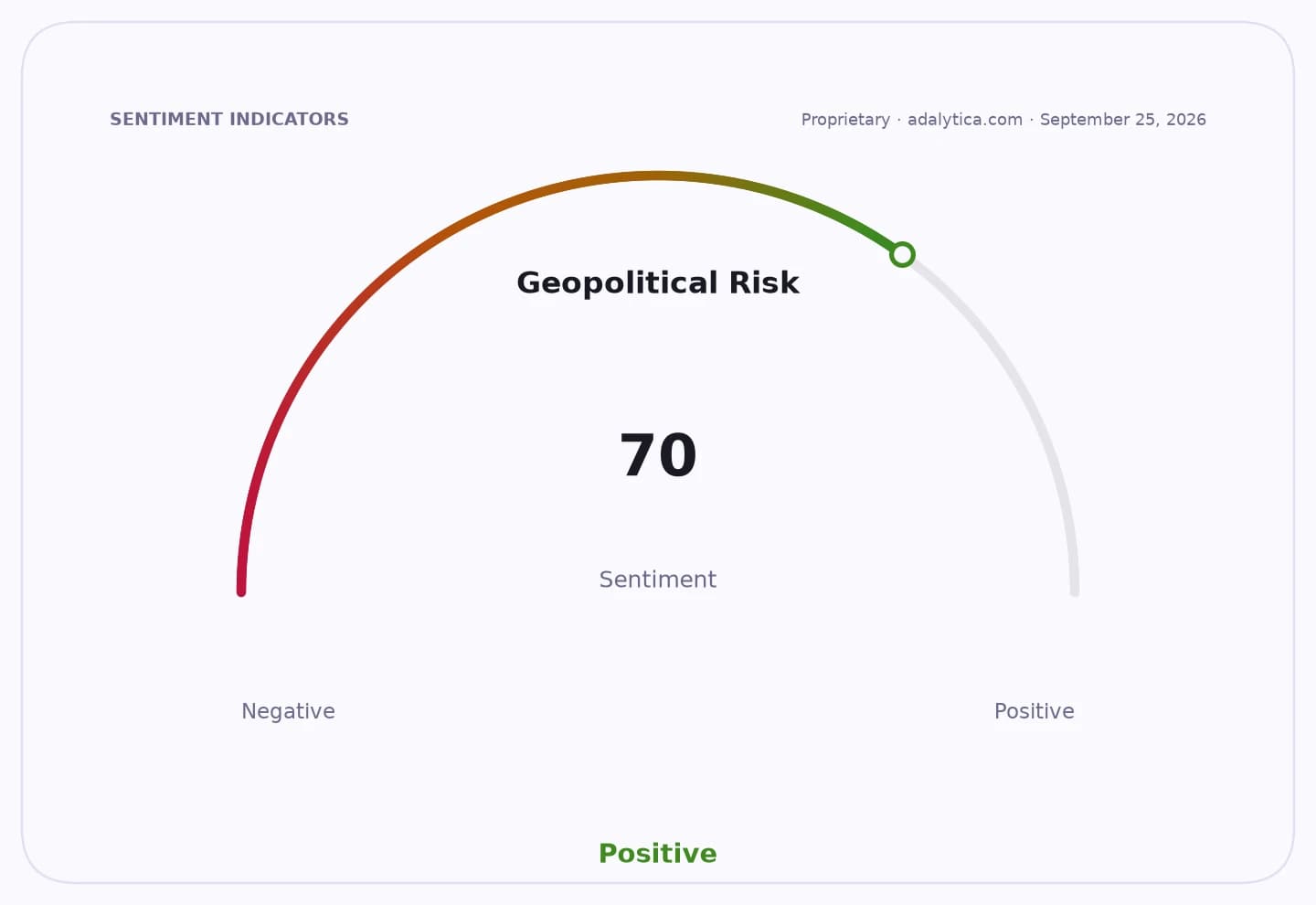
Sentiment IndicatorsⓘProprietary · adalytica.com · July 21, 2026
This is a snapshot — live sentiment, awareness and momentum for 130+ markets update continuously in the dashboard.Open AlphaPulse
That matters because aluminum is a high-energy, globally traded metal whose pricing is heavily influenced by trade flows, power costs and industrial demand. When import access narrows, domestic producers can capture more of the value embedded in U.S. supply chains, especially if downstream buyers have limited short-term alternatives.
The broader market backdrop is mixed but supportive for the policy’s near-term impact. U.S. industrial production is running above 102 on the Federal Reserve’s index and the producer price environment for industrial commodities remains elevated, with the all-items producer price index for commodities forecast to rise to 295.8 in July from 286.8 in June. At the same time, West Texas Intermediate crude is trading around $78 a barrel, keeping energy-intensive manufacturing costs high and reinforcing the advantage for producers with domestic feedstock and power arrangements.
Century’s shares have already reflected that tug-of-war between policy tailwinds and macro volatility. The stock closed at $42.84 on July 20, far below its recent 2026 peak above $68, after sharp swings that have pushed its RSI, a standard technical indicator, down to 39.3 and its price back below the 50-day moving average. That suggests investors are still pricing in uncertainty around both trade policy execution and global aluminum demand.
Peers are also in focus. Alcoa and Kaiser Aluminum have been hit harder in recent sessions, with technical indicators showing weakening momentum and heavy selling across the group, underscoring how quickly tariff headlines can reprice the sector. For aluminum buyers, especially automakers and manufacturers with cross-border supply chains, the risk is higher input costs and more volatility in the Midwest premium.
If the White House follows through with a durable import incentive, the main winners are likely to be U.S. primary producers and miners tied to domestic supply chains, while importers, Canadian exporters and downstream manufacturers face margin pressure. The next catalyst is whether Washington turns the rhetoric into a formal tariff or incentive framework and whether Ottawa retaliates, which could keep aluminum prices and related stocks volatile.
| Entity | Gains | Losses |
|---|---|---|
| Century Aluminum | ▲Higher U.S. premiums | ▼Policy uncertainty |
| U.S. aluminum producers | ▲Better margins | ▼Import competition |
| Canadian exporters | ▲— | ▼Market access, pricing |
| Downstream manufacturers | ▲— | ▼Higher input costs |