An inflation flare-up may hit in the fall as tariff increases and a new control-and-tariff system lift prices for industrial goods, threatening to push U.S. price pressures higher just as investors have begun to relax.
Tariff Shock May Reignite U.S. Inflation
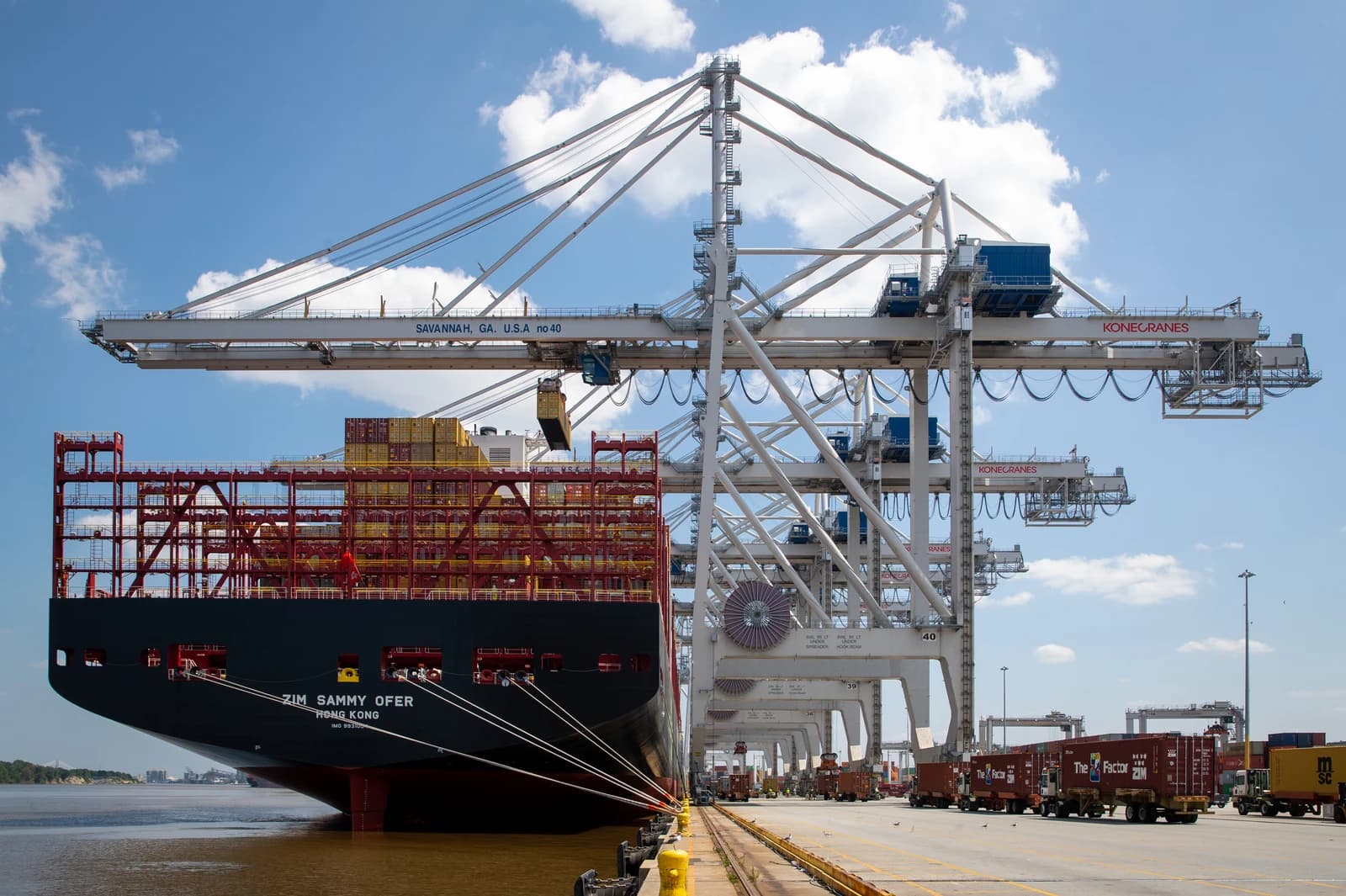
That matters because tariffs do not stay confined to customs gates. They flow through supply chains, raise replacement costs and squeeze margins across manufacturing, transportation and retail. If the next round of trade controls lands in October, as the seed headline suggests, the inflation impulse could arrive before households and companies have fully adjusted, complicating the Federal Reserve’s path and forcing the bond market to reprice a hotter-for-longer rate regime.
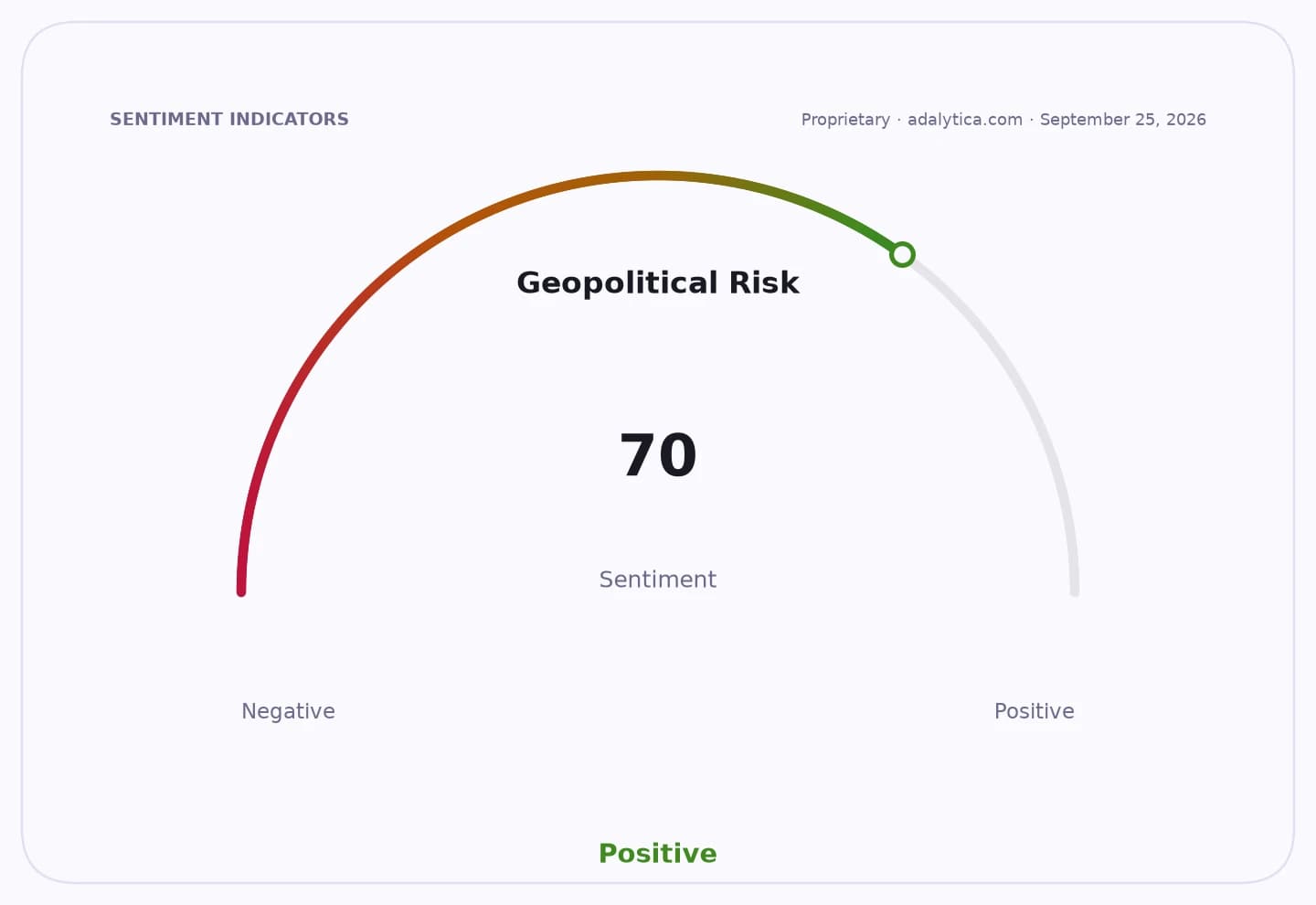
Sentiment IndicatorsⓘProprietary · adalytica.com · July 28, 2026
This is a snapshot — live sentiment, awareness and momentum for 130+ markets update continuously in the dashboard.Open AlphaPulse

The macro backdrop already looks vulnerable. U.S. consumer prices have been running well above the pre-pandemic norm, producer prices have also moved higher, and the 10-year Treasury yield has climbed back toward 4.7%, reflecting a market that is already nervous about the durability of disinflation. A tariff-driven shock would hit the most sensitive part of the inflation chain first: industrial inputs, machinery, intermediate goods and the freight and logistics ecosystem that moves them. Once those costs rise, they tend to spread.
That is why the market should pay close attention to the industrial sector. The Industrial Select Sector SPDR Fund has been trading well above its 200-day moving average and recently reclaimed momentum after a sharp spring selloff, a sign that investors are already hunting for beneficiaries of a more protectionist, capex-heavy world. The broader commodity complex has also remained firm, with the DBC ETF showing strength as traders position for renewed input-cost pressure.

For investors, this is not just a macro story — it is a relative-performance story. Companies with pricing power, domestic supply chains and exposure to re-shoring should outperform those reliant on imported inputs or exposed to tariff-sensitive demand. Industrial automation, electrical equipment, construction materials, railroads and domestic energy infrastructure all stand to benefit if tariffs accelerate the shift toward local sourcing and higher capital spending.
That creates a clear setup: the market may be too focused on near-term growth noise and not focused enough on second-order inflation effects. If October brings a fresh tariff wave, the winners will be the toll roads of the new industrial economy — logistics networks, infrastructure names, automation suppliers and U.S.-centric manufacturers. The losers will be import-dependent retailers, margin-thin industrials and consumers already stretched by higher living costs.
I believe this is the kind of policy shock that creates opportunity before consensus catches up. Investors should be positioned for a fall inflation surprise, not a smooth disinflation glide path.
| Entity | Gains | Losses |
|---|---|---|
| Domestic industrials | ▲Pricing power | ▼Imported input exposure |
| Commodity producers | ▲Higher realized prices | ▼Deflationary expectations |
| Industrial ETF XLI | ▲Momentum bid | ▼Tariff-sensitive peers |
| Consumers/importers | ▲— | ▼Higher goods prices |