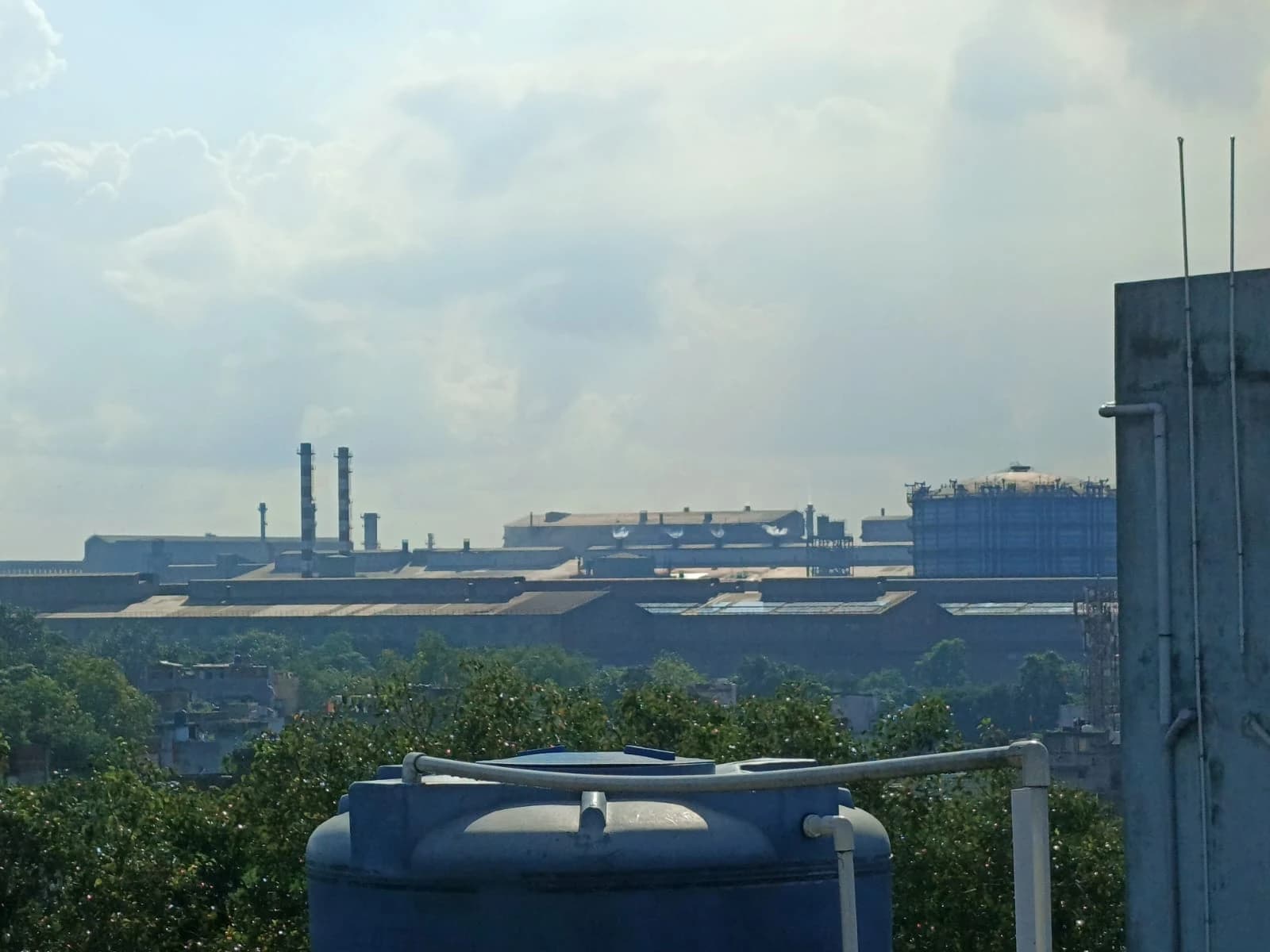
Tata Steel has turned a galvanisation byproduct into a nutritional supplement aimed at fighting iron deficiency, and that matters because it shows how a heavy-industry company can create a higher-value, science-based product from waste rather than selling only commodity steel.
Tata Steel's Byproduct Bet Could Open New Revenue
For investors, the bigger story is not the supplement itself so much as the possibility of a new, more resilient revenue stream built on industrial circularity. Steel remains cyclical, capital intensive and exposed to price swings. A product rooted in health and nutrition, by contrast, can carry better margins, stronger branding and a different demand cycle. If Tata Steel can prove this can scale, it would be a useful reminder that the best industrial businesses are often the ones that find ways to monetize what others throw away.
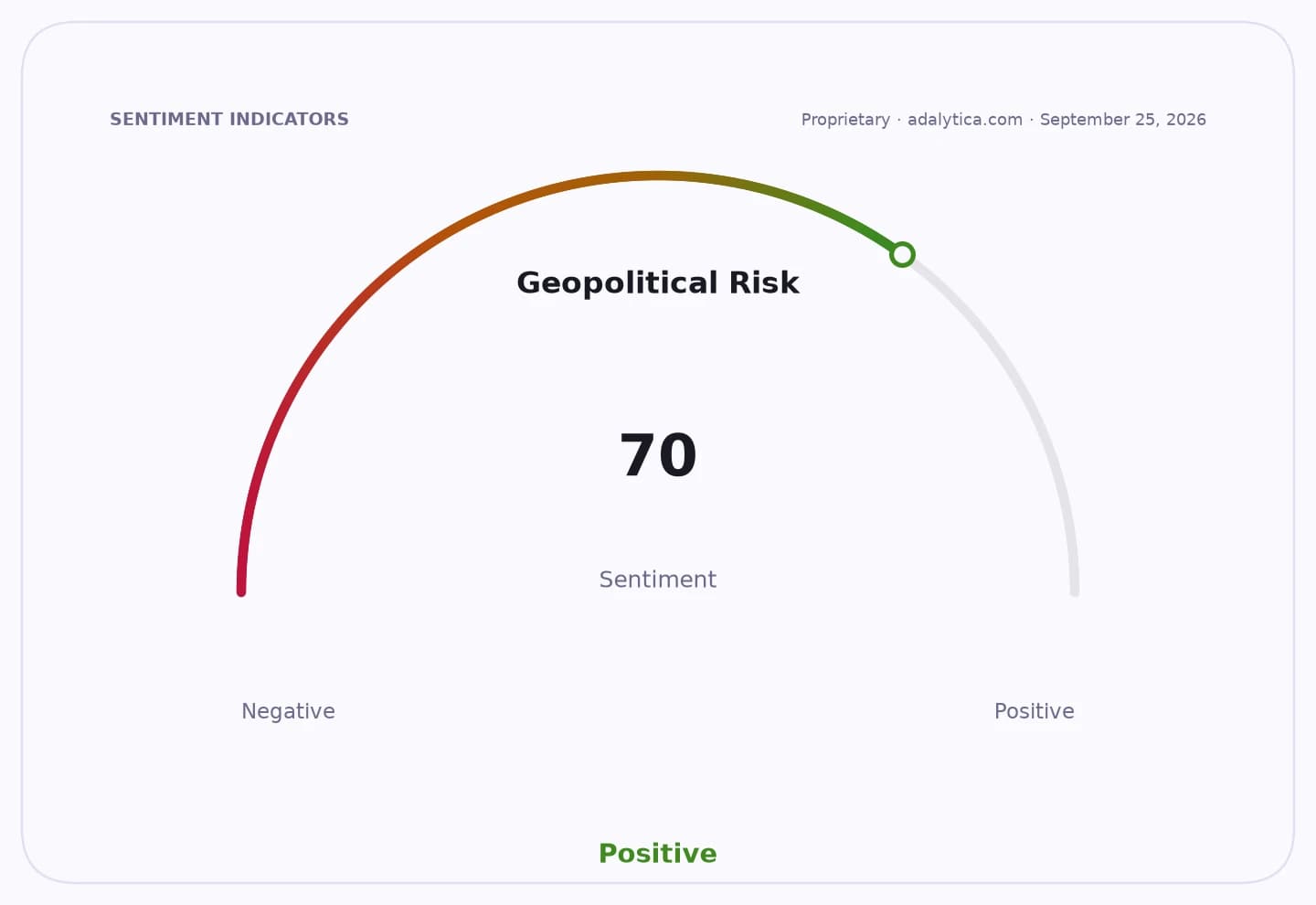
Sentiment IndicatorsⓘProprietary · adalytica.com · July 29, 2026
This is a snapshot — live sentiment, awareness and momentum for 130+ markets update continuously in the dashboard.Open AlphaPulse
The idea is economically significant because it links two large trends: resource efficiency and preventive health. Iron deficiency is a widespread problem in many emerging markets, and the market for evidence-based supplements is growing as consumers and doctors look for targeted solutions rather than broad, generic multivitamins. A supplement derived from a steelmaking residue also fits a broader industrial logic: companies are under pressure to cut waste, lower emissions intensity and extract more value from each tonne of output. Turning a byproduct into a health product is exactly the sort of innovation that can lift returns on capital over time.
That is why this story extends beyond Tata Steel alone. If the company can convert a byproduct of galvanisation into a safe, commercially viable supplement, it strengthens the case for industrial R&D that reaches outside the core plant gate. It also hints at a potential adjacent business that is less tied to construction demand, less exposed to global steel spreads and more connected to healthcare consumption.
The market backdrop is telling, too. Tata Steel’s shares have recently traded above both their 50-day and 200-day moving averages, although the stock has also been volatile and momentum has cooled from earlier highs. That suggests investors still see a constructive long-term setup, but they are not paying for perfection. In that kind of environment, businesses that can open up new profit pools tend to matter more than short-lived swings in steel pricing.
There is a contrast in the sector as well. Nucor and other global steelmakers are still mostly judged on margins, output and the cycle. Tata Steel is offering a different narrative: that a steel mill can also be a source of health-related innovation. If management can prove the supplement is safe, scalable and commercially credible, it could become a small but meaningful example of how old-economy firms can find new-growth legs in a world that rewards durability and diversification.
The obvious risk is execution. Regulatory approvals, quality control, consumer trust and manufacturing consistency will all matter. Investors should also remember that a promising byproduct does not magically transform the economics of a steel giant. But over a three-to-10-year horizon, that is exactly why the development is interesting: it adds an optionality story to a business that is usually valued only on the steel cycle.
For long-term investors, the takeaway is simple. Tata Steel’s supplement initiative is worth watching because it points to something more durable than a quarterly earnings beat — a way to turn industrial waste into a health-product platform. That is the kind of innovation that can quietly compound.
| Entity | Gains | Losses |
|---|---|---|
| Tata Steel | ▲New high-margin adjacent business | ▼Reliance on steel-cycle earnings |
| Consumers with iron deficiency | ▲More targeted supplement options | ▼Fewer low-cost treatment alternatives |
| Steel competitors | ▲Pressure to innovate | ▼Pure commodity exposure |
| Commodity-focused investors | ▲Less clarity on core business mix | ▼Greater need to assess new business risk |