Your tax refund can feel like a bonus, but for investors and households alike, it’s really a chance to strengthen your balance sheet at a time when inflation is still elevated, unemployment remains relatively low and consumers are still wrestling with how much cash they can afford to leave sitting idle. The smartest move is not to treat the refund like found money. It’s to use it to build flexibility, cut expensive debt and lock in long-term gains.
Use tax refunds to cut debt and invest

That matters because the economic backdrop is still mixed. The unemployment rate is hovering around 4.2% and is forecast to edge down to 4.18%, a sign that the labor market remains resilient. But prices are still much higher than they were just a few years ago, with the consumer price index around 332.6 and still projected to rise. In other words, households have more income security than they did during recessions, but their purchasing power has already been eroded. That makes every extra dollar of refund cash more valuable if it is used deliberately.
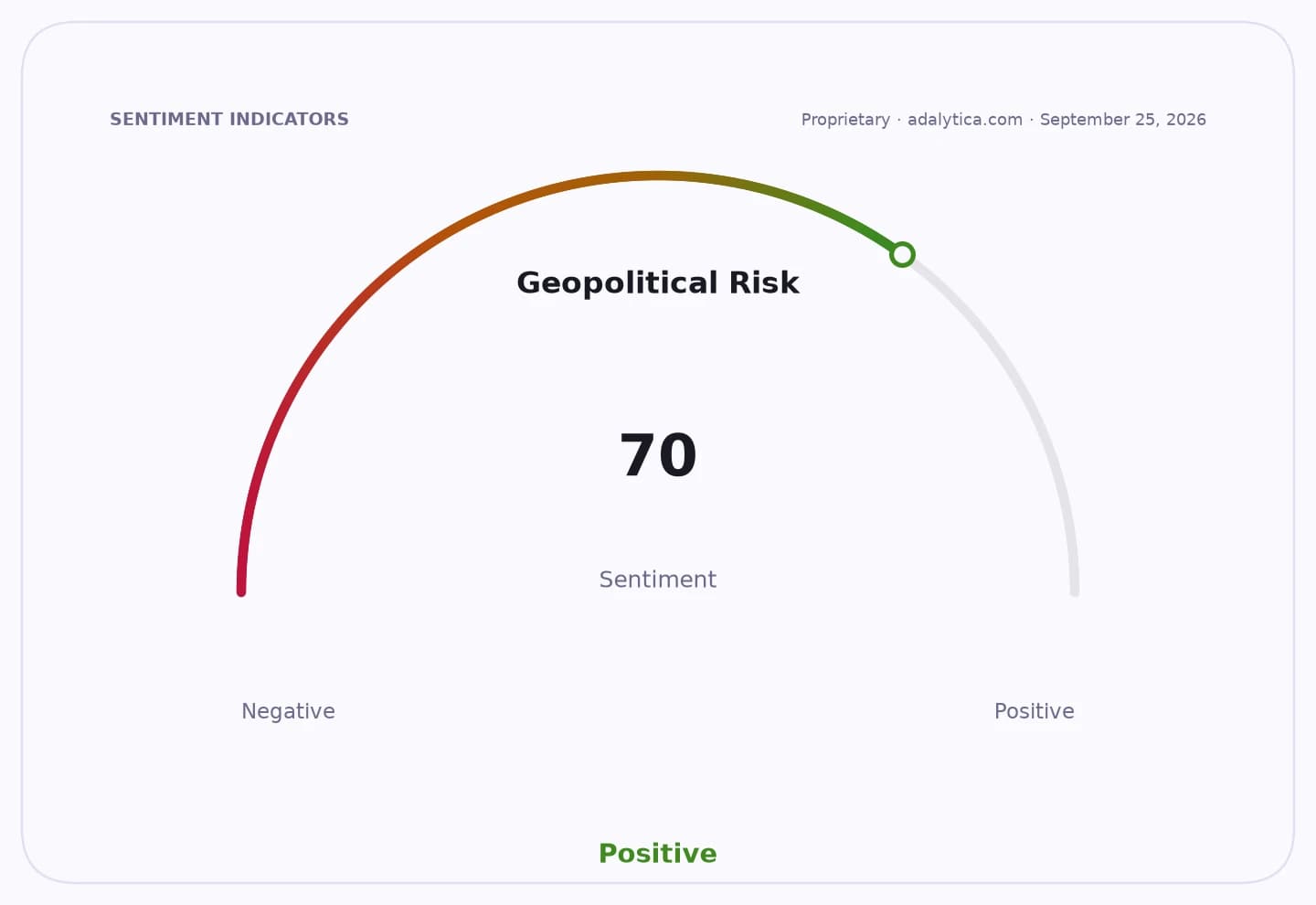
Sentiment IndicatorsⓘProprietary · adalytica.com · July 19, 2026
This is a snapshot — live sentiment, awareness and momentum for 130+ markets update continuously in the dashboard.Open AlphaPulse
For investors, this is exactly the kind of environment that rewards patience over impulse. When stock prices are volatile, the best long-term move is often to keep your financial foundation solid so you can keep investing through the noise. The S&P 500, tracked by the SPY ETF, has rallied sharply from its spring lows, with the 50-day moving average now above the 200-day average, a sign the broader trend has improved even after some recent pullback. But markets can swing quickly, and you do not want to be forced to sell quality assets just because a repair bill, credit card balance or emergency expense hits at the wrong time.
The first thing to check is high-interest debt. If your refund is going to a credit card carrying a double-digit rate, that repayment is a guaranteed return, and a powerful one. There are very few investments that can match the risk-free benefit of eliminating 20% or 25% interest. The second is your emergency fund. Cash reserves may not feel exciting, but they are what keep long-term investors from having to raid retirement accounts or sell stocks during a down market. The third is whether you are actually on track to invest the money in something compounding — a diversified index fund, a retirement account, or another long-term asset that can grow for years.
That is where the big investing lesson comes in. A refund is not just spending power; it is optionality. The more cash you keep for short-term needs, the more freedom you have to stay invested when the market gets choppy. And if you do invest the refund, broad diversification is still the simplest way to let compounding do its work. One stock can be a home run, but a basket of strong businesses held for 3, 5 or 10 years is usually the better path for most investors.
There is also a broader consumer backdrop worth watching. Spending sentiment, according to Adalytica.com, is sitting at “Extreme Greed,” which suggests households may be tempted to splurge rather than save. That can lift retail sales in the short run, but it can also leave families more exposed if prices stay sticky or growth slows. The better approach is to let your refund improve your future, not just your weekend plans.
If tax policy changes and lower rates eventually boost take-home pay more broadly, households could see a bit more breathing room. For now, though, the practical play is the same: use the refund to reduce debt, build cash reserves and invest the rest for the long haul. That is the kind of decision that compounds quietly over years, and it is usually worth far more than a one-time purchase.
| Entity | Gains | Losses |
|---|---|---|
| Households that save or invest refunds | ▲Financial flexibility | ▼None immediately |
| Credit card lenders | ▲Less if balances are paid off | ▼Interest income |
| Long-term investors | ▲More capital to compound | ▼Short-term spending urges |
| Retailers and impulse sellers | ▲Fewer gains from splurge spending | ▼Refund windfalls not spent |