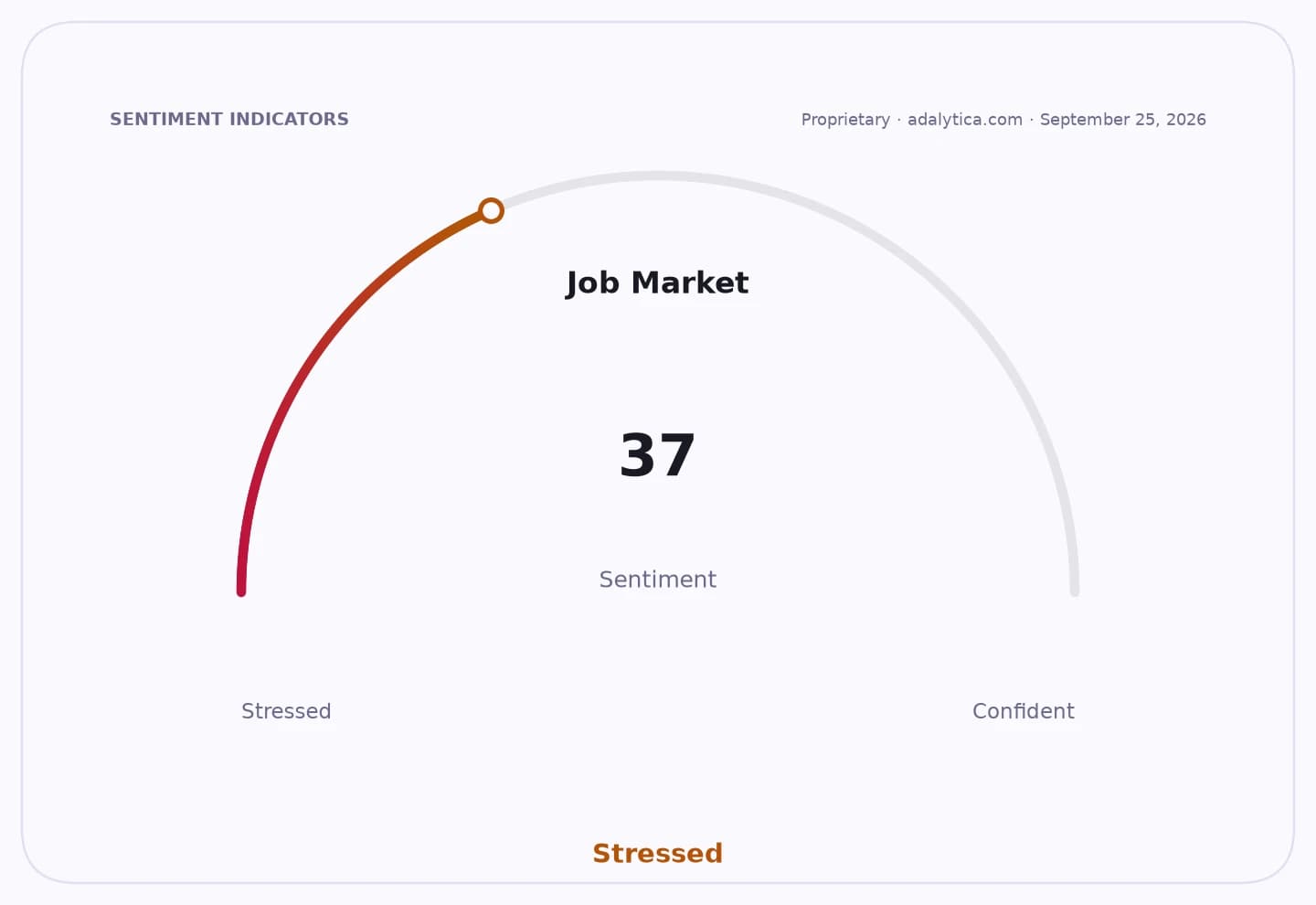
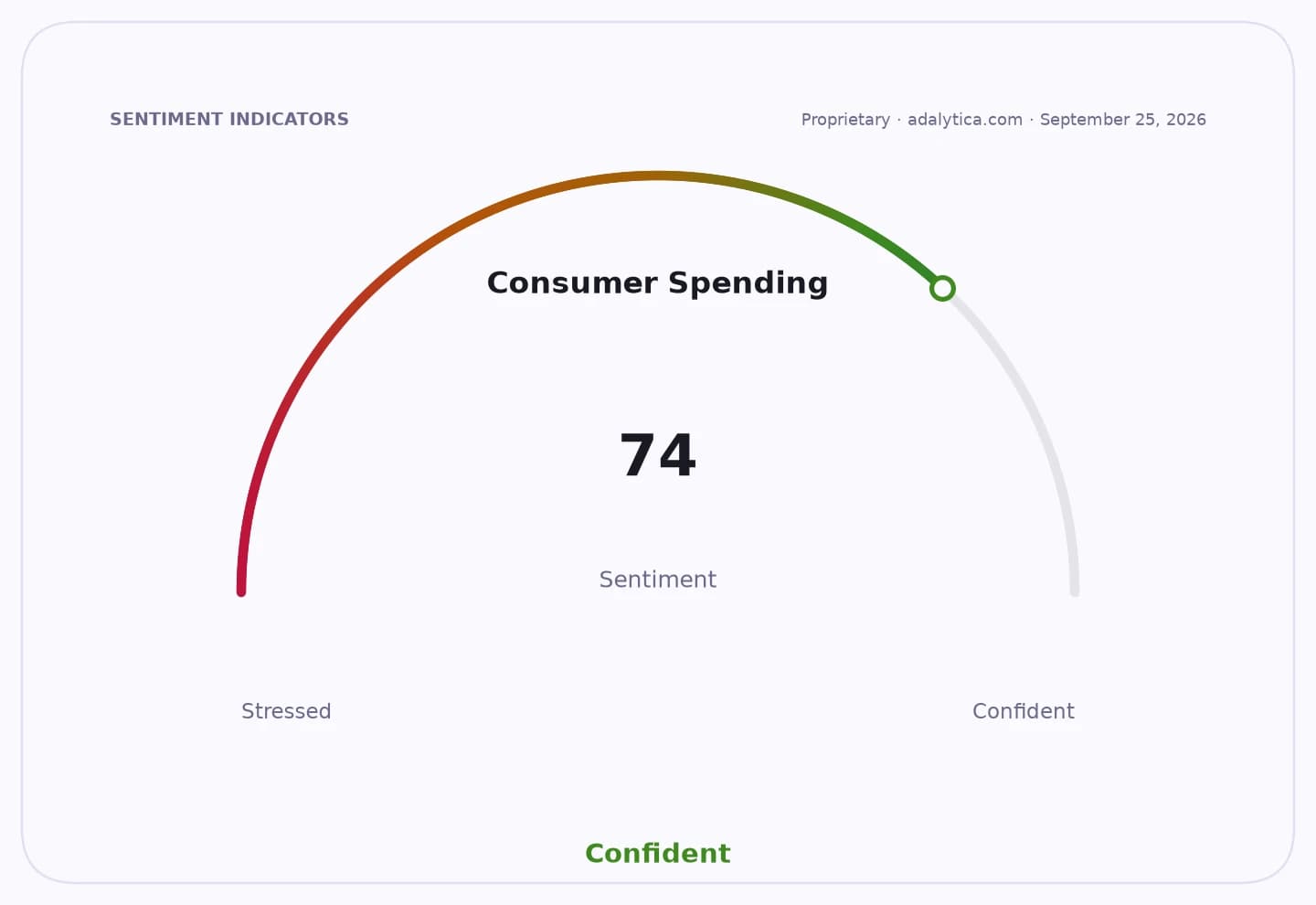
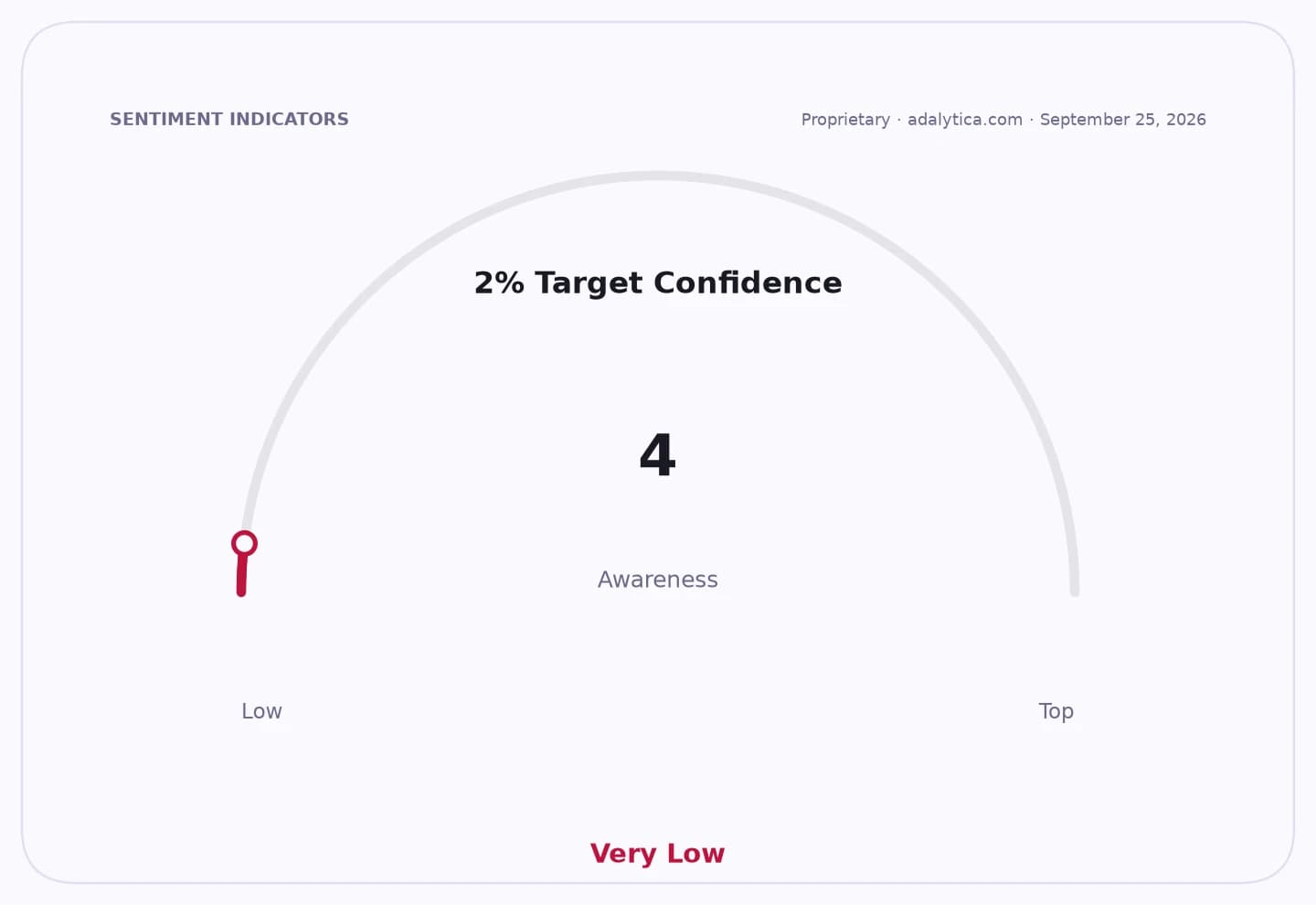
Tech companies are cutting thousands of jobs in 2026 as a wave of restructuring, AI automation and cost discipline resets hiring across the sector, pressuring labor markets and signaling a more selective phase for growth. The layoffs at Oracle, Meta and Microsoft are the clearest signs yet that even the biggest software and internet groups are trimming headcount to protect margins and reallocate spending toward cloud, AI and infrastructure.
Tech layoffs signal selective growth phase
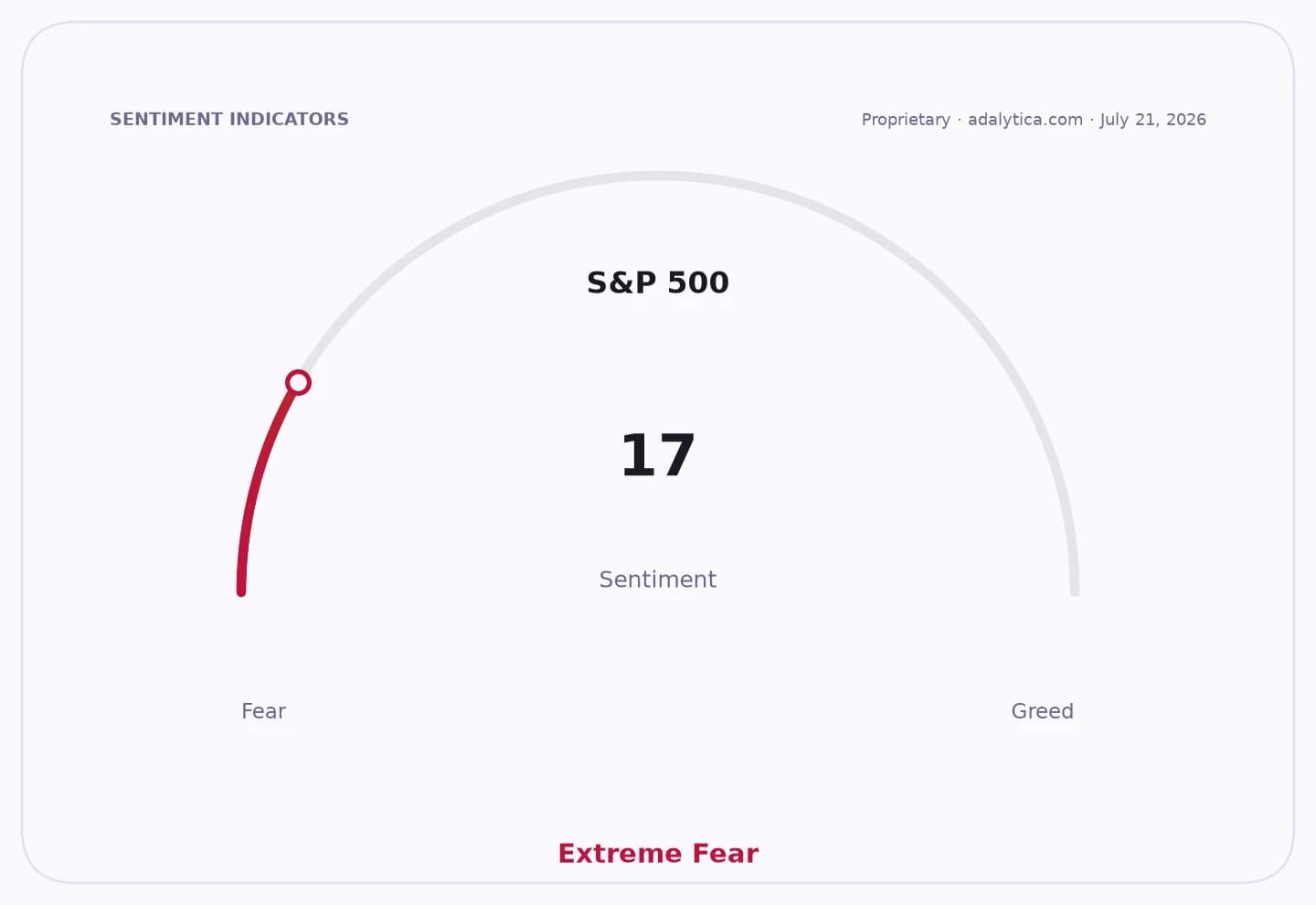
The broader economic backdrop makes the cuts more consequential. The U.S. unemployment rate is forecast at 4.18% for July, still historically low, but the labor market is cooling enough that repeated white-collar layoffs in tech can ripple beyond Silicon Valley into contractors, vendors and local spending. Job openings have also eased from the post-pandemic peak, with the latest reading at 7.594 million in May and a forecast of 7.657 million for June, underscoring how quickly demand for workers has normalized from the 2022 boom.
Sentiment IndicatorsⓘProprietary · adalytica.com · July 21, 2026
This is a snapshot — live sentiment, awareness and momentum for 130+ markets update continuously in the dashboard.Open AlphaPulse
Microsoft has confirmed 4,800 job cuts as it presses ahead with cost reductions, even as investors keep a close eye on whether savings are being redirected into artificial intelligence and cloud capacity. The stock has been volatile, falling to $352.83 in late June before recovering to $402.29 on Monday, with its 50-day moving average near $401.10 and the 200-day average at $437.30, a sign the market is still judging whether management can turn efficiency gains into renewed growth.
Meta is also in the spotlight after allegations that it used artificial intelligence to help identify employees for layoffs, including workers who had taken furloughs. That raises fresh legal and reputational risk for a company already under pressure to show discipline while funding its AI push; Meta shares closed at $645.85 on Monday, above its 50-day average but below its 200-day level, reflecting a market that still likes the company’s cash generation but is wary of execution risks.
UNRATE vs JTSJOL — macro contextadalytica.com
Explore this data interactively — full history, time series and cross-market comparisons.Open AlphaPulse
Oracle’s cuts fit a similar pattern of restructuring at a company that has been expanding cloud infrastructure while tightening costs elsewhere. Oracle shares closed at $121.38 on Monday, far below both its 50-day average of $176.66 and 200-day average of $189.42 after a sharp pullback from earlier highs, suggesting investors are punishing anything that hints at margin pressure or heavier spending before AI and cloud investments translate into returns.
The layoffs are landing alongside a broader tech-sector reset, with companies from Samsung to other large employers reducing staff as they respond to slower demand, higher funding costs and pressure to show efficiency. For investors, the immediate question is whether these cuts are a one-off response to overhiring or the start of a longer period of leaner headcount, lower operating leverage and fewer growth-era payrolls across big tech.
The next catalyst is more layoffs and earnings commentary from the sector, along with any regulatory or court scrutiny of AI-driven workforce decisions. If companies can prove that headcount reductions are funding higher-margin AI and cloud growth, shares could stabilize; if not, the layoffs may be read as another sign that tech’s post-pandemic expansion has entered a harder, more selective phase.
| Entity | Gains | Losses |
|---|---|---|
| Large tech shareholders | ▲Higher margins, lower payroll | ▼Execution and legal risk |
| Laid-off workers | ▲Severance, possible rehiring elsewhere | ▼Income, visa security, career momentum |
| AI/cloud vendors | ▲More spending redirected to automation | ▼Labor-demand growth |
| Regulators/labor advocates | ▲More scrutiny over AI layoffs | ▼Slower enforcement against practices |