Tesla has built its first Cybertruck, a milestone that turns one of the auto industry’s most watched pre-launch projects into a production story — and a test of whether the company can scale the angular pickup without eroding margins or losing its lead in electric vehicles.
Tesla Cybertruck Production Becomes Ramp Test
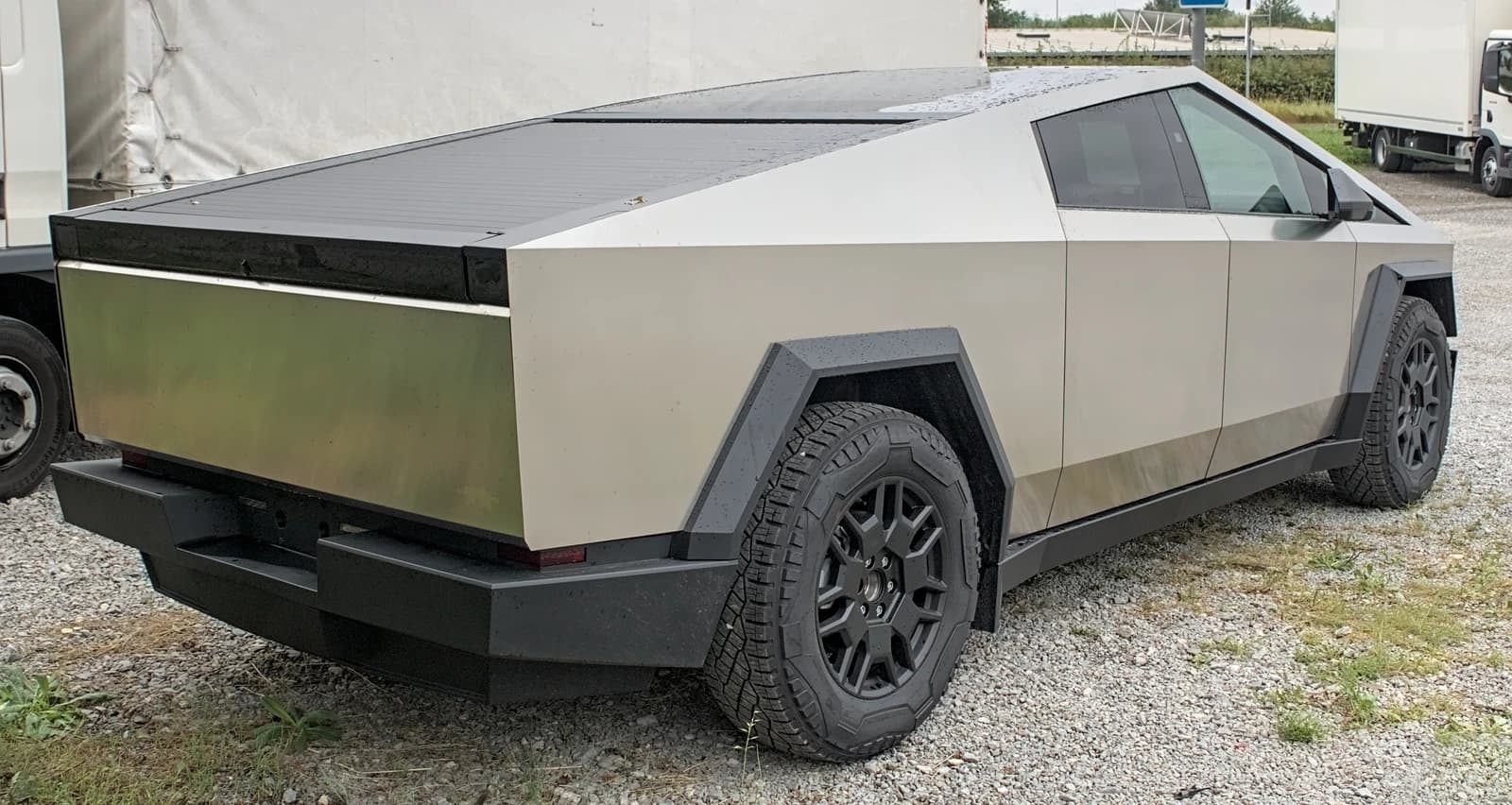
The significance is less about the truck’s debut than about what comes next: a successful ramp would give Tesla a new high-profile product in the U.S. light-truck market, while any delays or quality issues would underscore how hard it is to turn hype into profitable volume manufacturing. Investors are watching closely because Cybertruck execution could affect delivery growth, factory utilization and Tesla’s ability to defend valuation after a volatile stretch in the shares.
Sentiment IndicatorsⓘProprietary · adalytica.com · July 26, 2026
This is a snapshot — live sentiment, awareness and momentum for 130+ markets update continuously in the dashboard.Open AlphaPulse

Tesla’s latest filings show the company is still navigating a tough operating backdrop, warning that trade policy, tariffs, export controls and geopolitical conflicts could hurt supply chains, costs and facility expansions. That matters for Cybertruck because a vehicle built with novel materials, fresh tooling and a complex parts list can be especially sensitive to cost inflation and bottlenecks.
The stock has been unstable even as interest in Tesla remains intense. Tesla shares closed at $313.03 on July 24 after a sharp slide from above $490 in December, and technical indicators point to heavy selling pressure: the stock is well below its 50-day and 200-day moving averages, while the RSI reading of 15.7 suggests deeply oversold conditions. Adalytica’s Tesla Earnings Sentiment snapshot shows sentiment at 39, neutral, while awareness remains at 96, or extreme greed, highlighting how much attention the company still commands even as momentum weakens.

That makes Cybertruck production a potential catalyst, but also a pressure point. Tesla has already begun production of Cybercab and is ramping new battery and material factories, signaling a broader push to expand manufacturing capacity and lock in its supply chain. If Cybertruck production scales smoothly, Tesla could strengthen its case for another growth phase; if not, investors may keep focusing on margin compression, capital intensity and the risk that the company’s product pipeline is arriving into a more competitive and cost-sensitive market.
The story also reverberates across Detroit. Ford and General Motors remain key benchmarks for pickup demand and EV adoption, and Tesla’s entry into the truck segment adds another layer of competition in a category that has historically been dominated by legacy automakers. For Tesla, the first Cybertruck is only the opening act — the market will care more about weekly output, pricing and whether the vehicle can become a meaningful profit engine in 2026.
| Entity | Gains | Losses |
|---|---|---|
| Tesla | ▲New product launch momentum | ▼Higher execution and margin risk |
| Tesla bulls | ▲Fresh growth catalyst | ▼Delay or ramp disappointment |
| Ford | ▲Pressure to defend pickup share | ▼Tesla EV truck competition |
| General Motors | ▲Benchmark for truck demand | ▼More pressure in EV pickups |