Thailand’s prime minister opened the Thailand–China Cooperation Expo 2026 with a blunt pledge of full support for Chinese investment, underscoring a strategic bet that deeper ties with Beijing can help power growth, trade and tourism even as geopolitical tensions elsewhere worsen.
Thailand Deepens China Ties, Boosting FDI Outlook
The message matters because Thailand is leaning harder into China just as regional capital is being chased by supply-chain realignment, weaker global demand and renewed U.S.-China friction. For investors, that points to a friendlier backdrop for Chinese manufacturers, Thai industrial parks, logistics operators and tourism-linked businesses, while also highlighting the political premium attached to Bangkok’s role as a Southeast Asian hub.
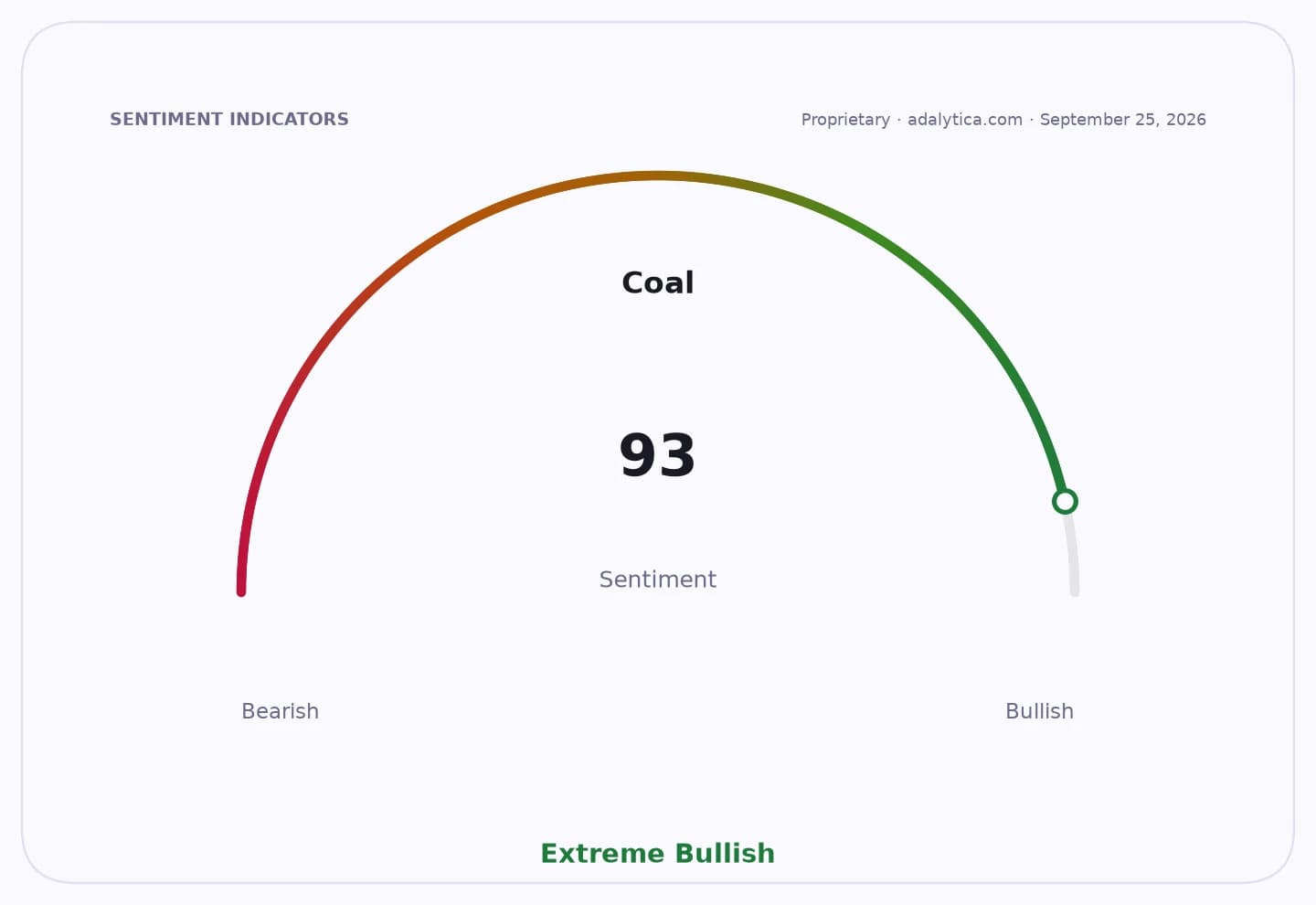
Sentiment IndicatorsⓘProprietary · adalytica.com · July 22, 2026
This is a snapshot — live sentiment, awareness and momentum for 130+ markets update continuously in the dashboard.Open AlphaPulse
The economic case is already visible in the numbers. Thailand and China have recently signed 15 cooperation deals spanning trade, artificial intelligence and technology, while four Chinese companies have committed to expand production bases in Thailand with investment estimated at 70 billion baht, or about $1.9 billion. That supports Thailand’s pitch that it can capture more of the global value chain as Chinese firms look for regional bases outside the mainland.
The prime minister’s warning that “whoever interfered, it would not end well” also signals that the government sees strategic competition, not just commerce, as part of the story. Thailand has been trying to revive Chinese tourism by easing travel access and rebuilding links with China’s interior regions, a bid to win back visitors after losing share to rivals such as Malaysia.
Markets are reading the backdrop cautiously but not aggressively. FXI, the iShares China Large-Cap ETF, has slipped to $34.43 on July 22 from $35.04 two sessions earlier, with the 50-day moving average at $34.37 and RSI readings near 76, suggesting the fund is still elevated after a sharp run-up and may be vulnerable to profit-taking. Adalytica’s US–China relations sentiment gauge shows “Extreme Fear” at 4, even as awareness remains high, a sign that investors are paying close attention to any escalation or thaw in ties.
For Thailand, the upside is clear: more foreign direct investment, more factory capacity and a better shot at reasserting itself as a manufacturing and tourism gateway. The risk is equally clear: the closer Bangkok moves toward Beijing, the more exposed it becomes to any deterioration in wider China relations, export controls or sanctions pressure from the West.
The next catalyst is whether the Expo translates into additional binding investment announcements, tourism inflows and follow-on deals in security and technology, which would show the partnership is moving from rhetoric to capital spending.
| Entity | Gains | Losses |
|---|---|---|
| Thailand government | ▲More FDI and growth | ▼Greater geopolitical exposure |
| Chinese investors | ▲Lower-cost regional expansion | ▼Higher policy scrutiny |
| Thai industrial parks/logistics | ▲New project pipeline | ▼Dependence on China demand |
| U.S.-aligned skeptics | ▲— | ▼Thailand’s China tilt |