Thailand is accelerating investment to make it the main engine of the economy, a shift that could help lift growth but also keeps policymakers on watch for inflation pressures and a widening external gap.
Thailand Bets on Investment-Led Growth

The policy tilt matters because investment-led growth is more durable than consumption spikes, but it usually brings a lag before factories, logistics, and infrastructure translate into higher output. For investors, that means the government is effectively trying to re-accelerate the economy without triggering the kind of price and balance-of-payments stress that can force a tighter policy response.
That tension is visible in the macro backdrop. The data point to inflation that is still contained but not trivial, with the CPI up to 332.568 in June from 332.407 in April, while the benchmark policy rate stands at 3.63%, only slightly below the 3.627% forecast for July. At the same time, the current account remains in deficit, with Thailand’s balance of payments goods and services trade running a $77.6 billion shortfall in May after a $54.6 billion deficit in April.
For markets, the implication is that Bangkok wants capital spending to do the heavy lifting rather than relying on debt-fueled consumption or exports alone. That can support contractors, industrial suppliers, banks and listed domestic cyclical names, but it also raises scrutiny on fiscal discipline, imported inflation and the baht if investment outpaces external financing capacity.
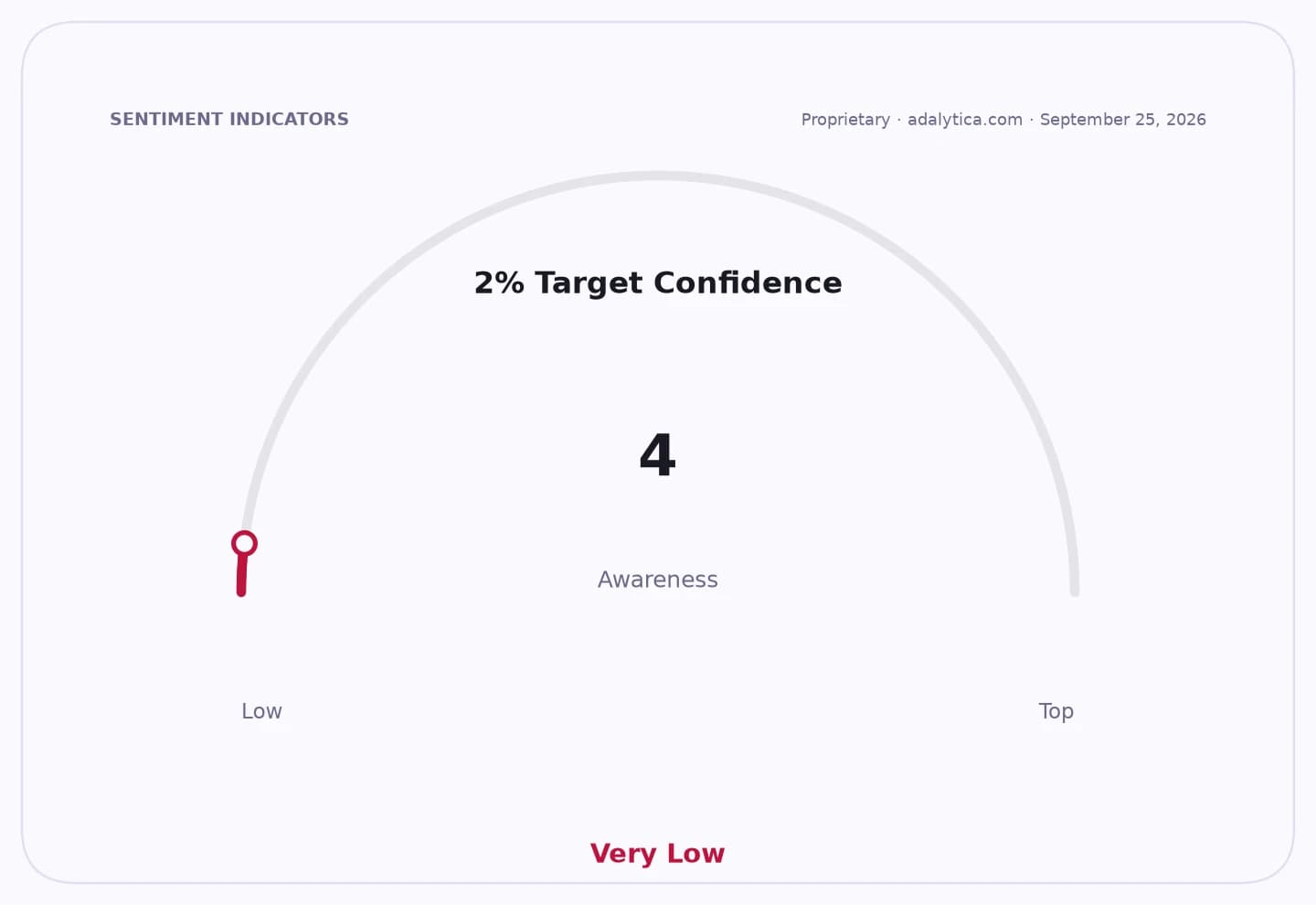
The policy message also lands in a market that remains sensitive to rates and inflation expectations. Long-term inflation expectations in Adalytica’s gauge are neutral at 57, while confidence in the Fed’s 2% inflation target remains at an extreme-fear reading of 4, underscoring how quickly investors have become wary of any growth plan that risks reigniting prices.
For now, the key question is whether Thailand can convert faster investment approvals and spending into sustained growth before higher import bills and a persistent current account deficit erode the benefit. The next round of inflation, external-balance and rate data will be the main test of whether the strategy is boosting momentum or just adding pressure.
| Entity | Gains | Losses |
|---|---|---|
| Thai government | ▲Faster growth narrative | ▼Policy room if inflation rises |
| Domestic contractors/infrastructure firms | ▲More project demand | ▼Margin pressure from costs |
| Exporters | ▲Stronger investment climate | ▼Currency volatility risk |
| Consumers/importers | ▲Better supply capacity over time | ▼Higher imported prices |