Thailand’s heavy dependence on natural gas for power is leaving the economy exposed to a fresh jump in imported fuel costs, with Asian LNG prices climbing to a level that could keep electricity bills elevated and add to inflation pressure.
Thailand LNG Prices Raise Power Costs
The Platts Japan-Korea Marker, a benchmark for spot liquefied natural gas in Asia, was quoted at $29.89 per million British thermal units in an Oct. 20 Energy Ministry update cited by the Bangkok Post. With natural gas still Thailand’s main fuel for electricity generation, the spike raises the cost of keeping the grid supplied just as winter demand strengthens across Northeast Asia and shipping routes in the Middle East remain disrupted.
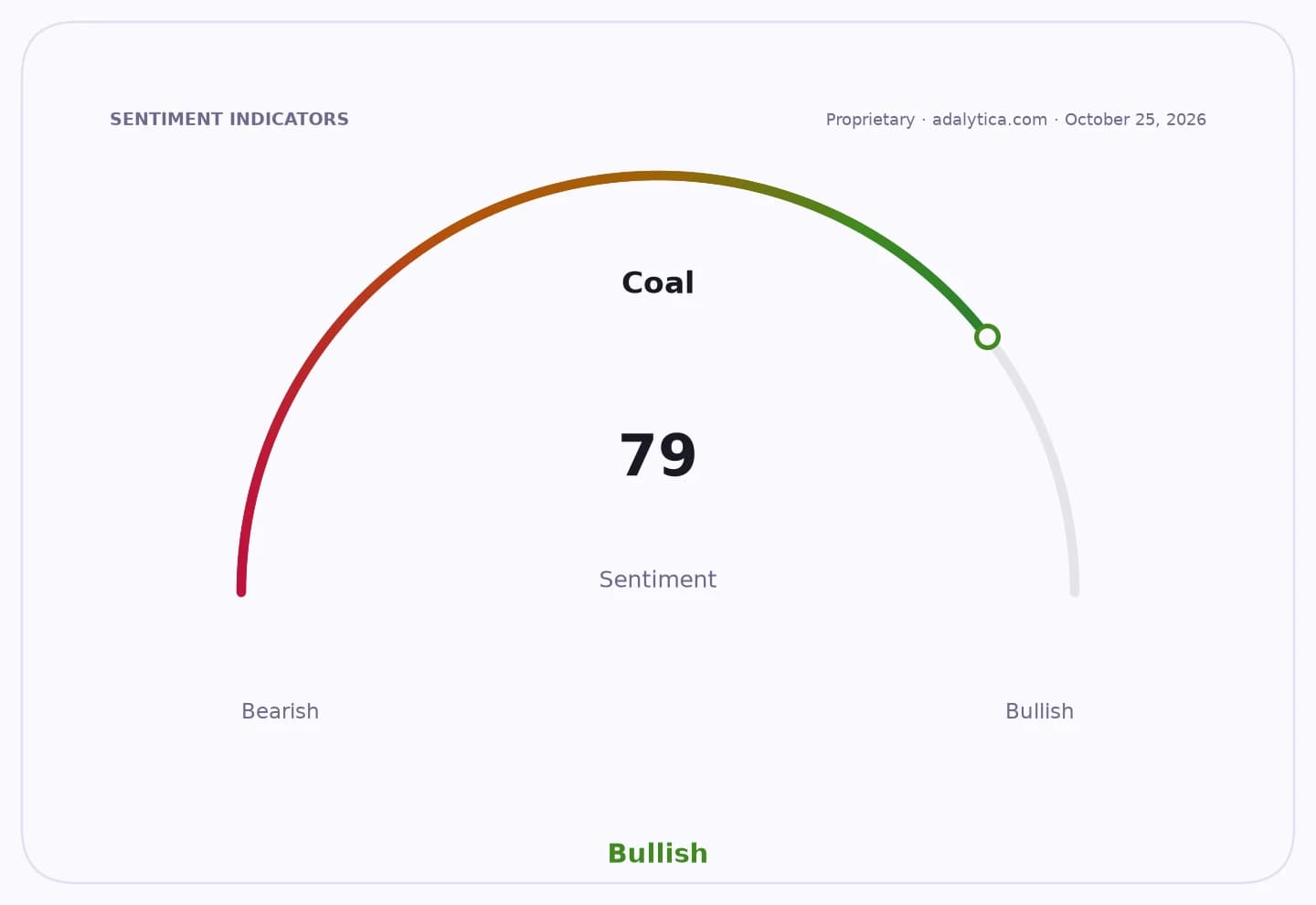
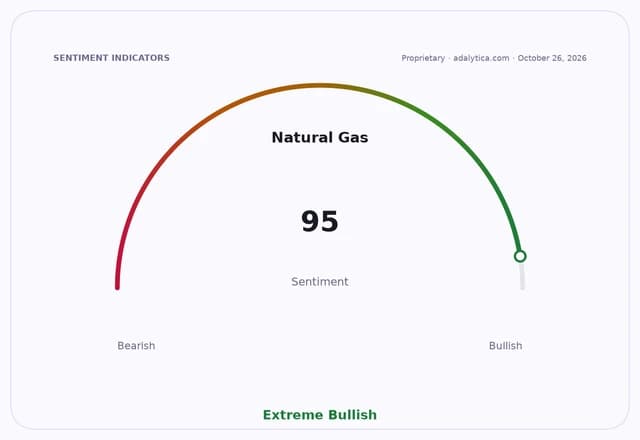
Sentiment IndicatorsⓘProprietary · adalytica.com · October 26, 2026
This is a snapshot — live sentiment, awareness and momentum for 130+ markets update continuously in the dashboard.Open AlphaPulse
That matters because Thailand imports much of the fuel that powers its homes, factories and transport system. The Bangkok Post also reported Dubai crude at $107.90 a barrel, compounding the squeeze on energy costs and increasing the risk that higher import bills widen the country’s fiscal and trade gaps. Officials warned the strain could hit household budgets and feed into broader inflation.
Authorities have been leaning on long-term gas contracts instead of spot purchases to blunt volatility, but the latest price move underscores how limited that protection can be when regional supply tightens. The Energy Regulatory Commission is now expected to speed up regulatory changes aimed at drawing more investment into clean energy, with officials arguing that more renewables and battery storage would reduce Thailand’s exposure to fossil-fuel swings.
For investors, the story extends beyond Thai utilities. Higher LNG prices support producers and exporters such as Cheniere Energy, while keeping pressure on import-dependent power generators and energy-intensive businesses across Asia. Shell and BP also stand to benefit from stronger gas realizations, although elevated fuel costs can weigh on demand and margins downstream.
The immediate focus now is whether Thailand unveils further market-stabilization steps in November. Until then, expensive LNG and crude keep the country’s power costs, inflation outlook and external balances under pressure.
| Entity | Gains | Losses |
|---|---|---|
| LNG exporters | ▲Higher spot prices | ▼Demand volatility |
| Thailand power users | ▲Long-term contracts | ▼Higher electricity costs |
| Thai households/businesses | ▲Policy support | ▼Inflation pressure |
| Shell/BP and gas suppliers | ▲Stronger gas realizations | ▼Downstream cost strain |