Thailand’s 2025 minimum wage reset is forcing employers to lift pay, recalculate overtime and revisit contracts province by province, with Bangkok joining the top tier at 400 baht a day from July 1.
Thailand minimum wage rises to 400 baht in Bangkok
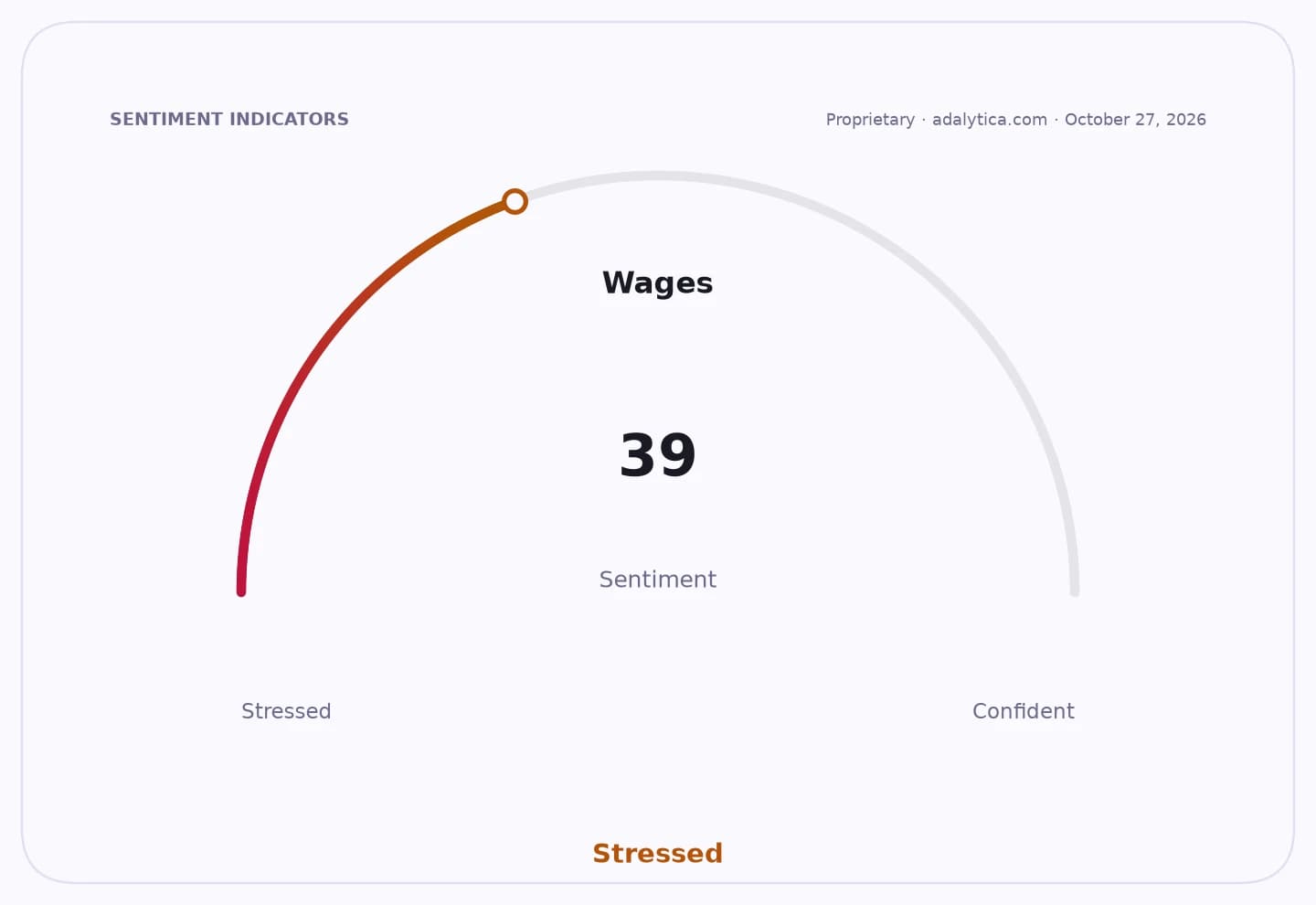
That matters because this is not a cosmetic labor tweak. It directly raises wage bills for retailers, factories, hotels and office employers at a time when Thailand is already trying to defend growth against a stronger baht and margin pressure in export and tourism businesses. The new schedule ranges from 337 baht to 400 baht a day depending on location, with most changes taking effect on Jan. 1 and a second round kicking in midyear for Bangkok, the Eastern Economic Corridor, Phuket, Koh Samui and hotels and entertainment venues nationwide.
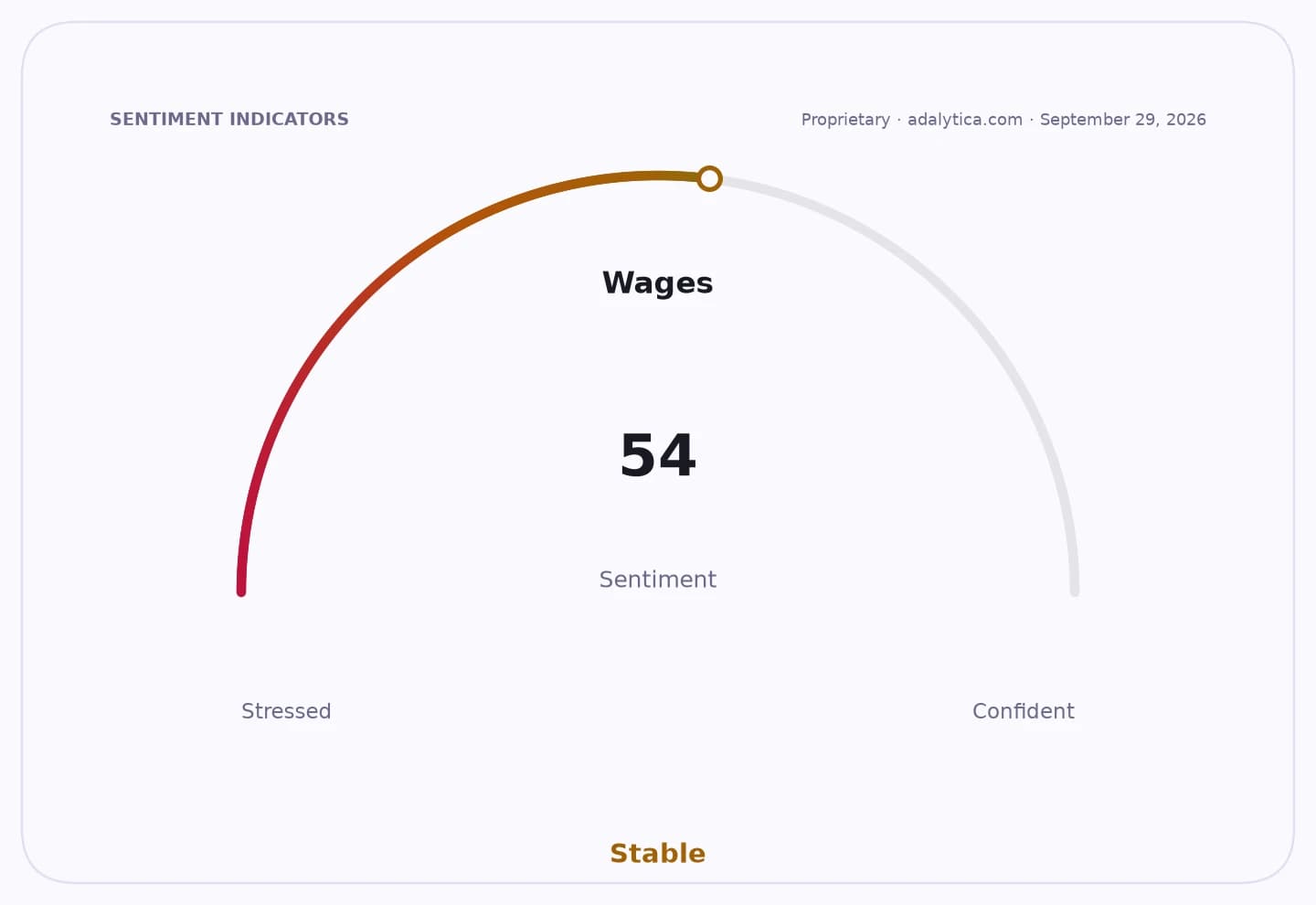
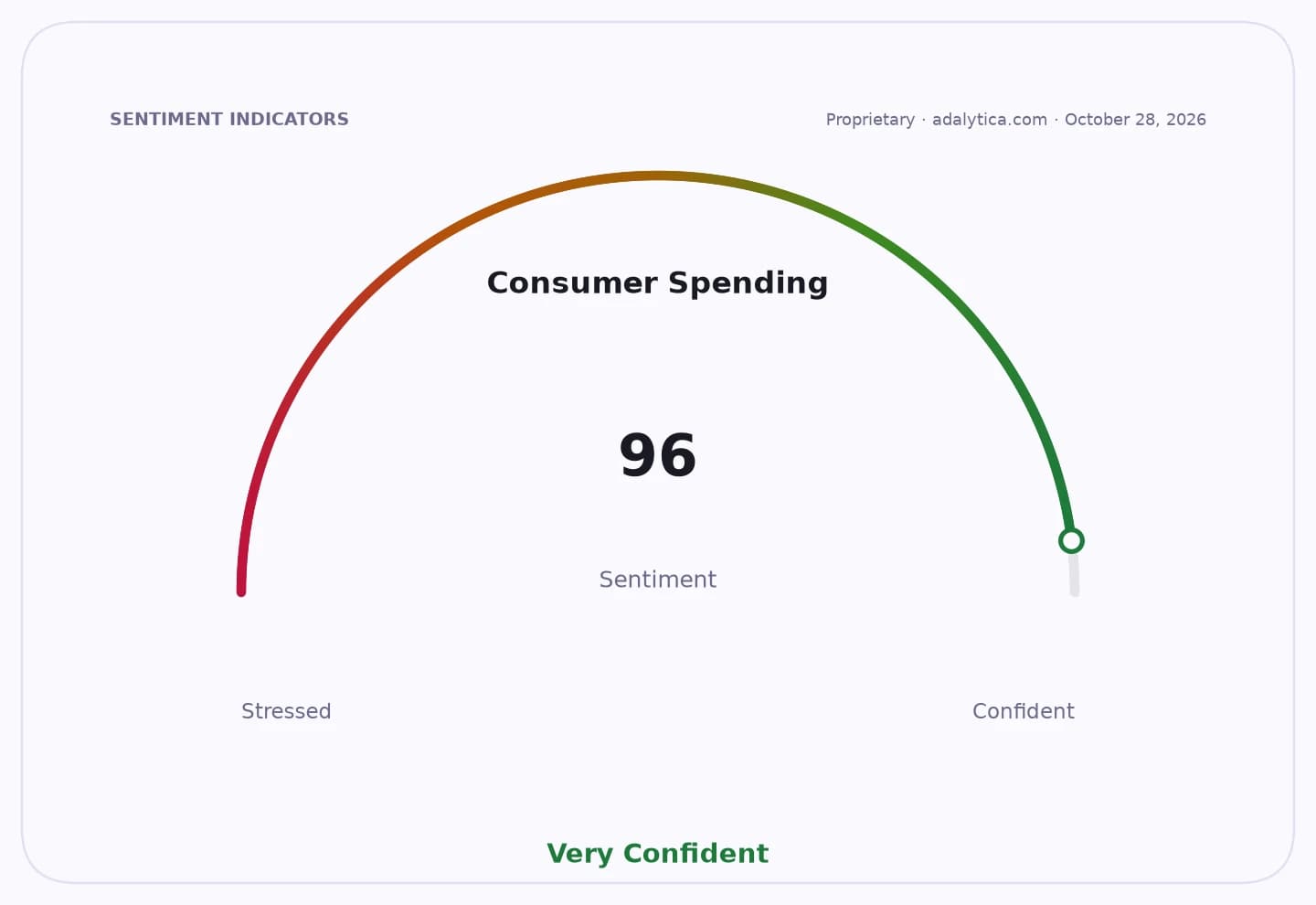
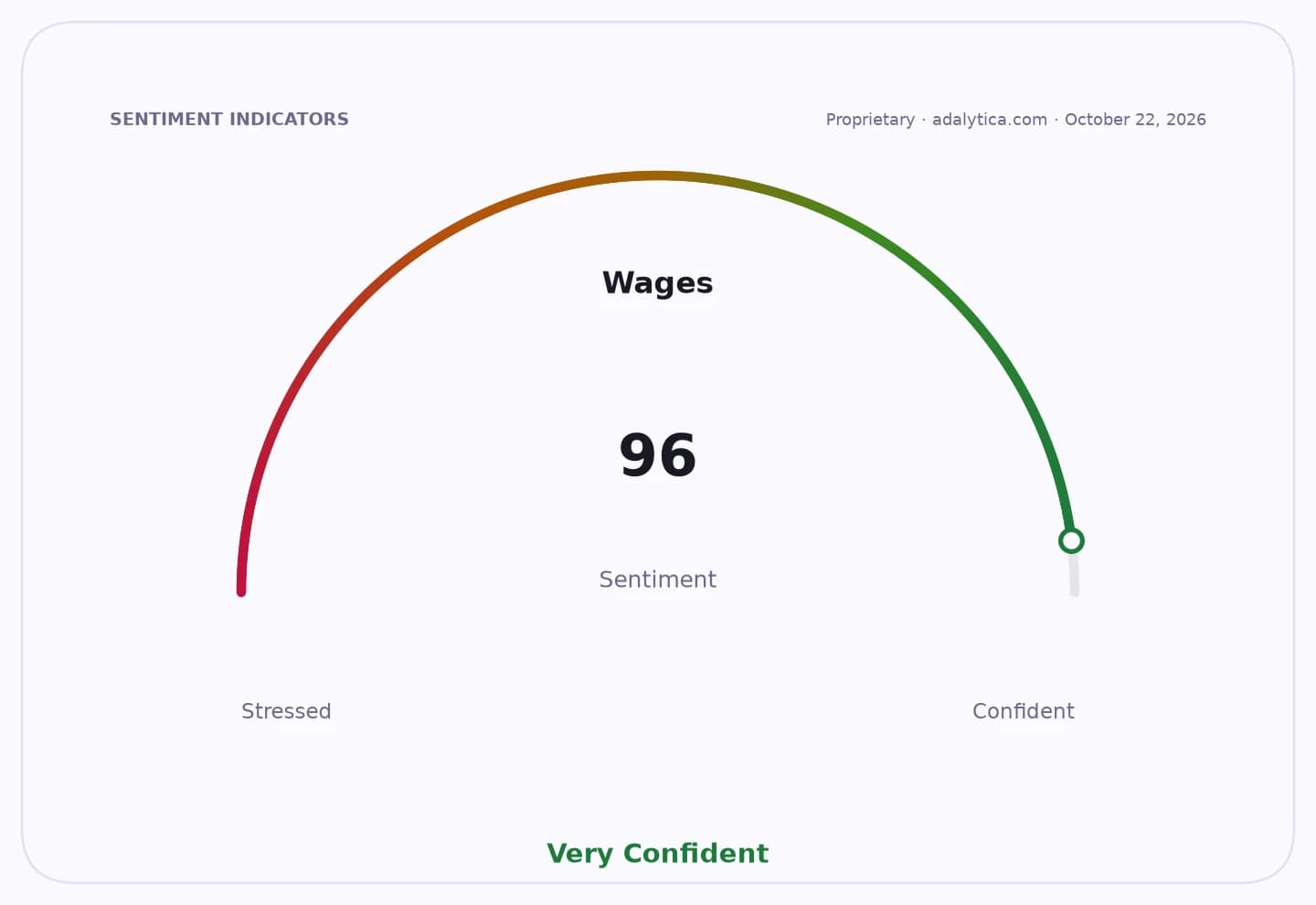
Sentiment IndicatorsⓘProprietary · adalytica.com · October 27, 2026
This is a snapshot — live sentiment, awareness and momentum for 130+ markets update continuously in the dashboard.Open AlphaPulse
For investors, the key issue is second-order costs. The wage floor now flows through not just base pay but overtime, holiday premiums and part-time labor, which means payroll inflation can outpace the headline minimum for businesses with long shifts or heavy weekend coverage. That hits low-margin consumer sectors first, but it also changes the economics of staffing in Thailand’s tourism hubs and industrial zones, where labor is a critical input and compliance risk is real.
The policy also deepens the split between winners and losers across the economy. Workers and labor-intensive service businesses benefit from more cash in pockets, but employers face a higher breakeven point and a tighter need for productivity gains. In the most exposed businesses, managers will have to choose between absorbing the cost, passing it on to customers or trimming headcount and hours. That makes the wage move a small but important catalyst for pricing discipline, automation and labor-efficient operating models.
The timing is especially important. Thailand’s baht has strengthened to a four-year high, a backdrop that already threatens exporters and could cool tourist spending at the margin. Against that macro setting, a higher wage floor adds another layer of cost pressure just as the government leans on subsidies and value-added export strategies to support growth. The market underestimates how often policy changes like this ripple into operating margins before they show up in headline inflation.
For companies with Thai exposure, the practical takeaway is immediate: update payroll systems, tag employees by work location, and reset overtime formulas off the correct provincial base rate. For investors, the better opportunity is in the picks-and-shovels of wage inflation — payroll software, labor management, automation and higher-productivity service operators — rather than in businesses that rely on cheap, flexible labor. Over the next few quarters, the real question is which companies can absorb the shock and which ones get forced to reprice.
| Entity | Gains | Losses |
|---|---|---|
| Thai workers | ▲Higher base pay | ▼N/A |
| Labor-intensive employers | ▲N/A | ▼Higher payroll and compliance costs |
| Payroll/software providers | ▲More demand for updates | ▼N/A |
| Exporters and low-margin service firms | ▲N/A | ▼Margin pressure from wage inflation |