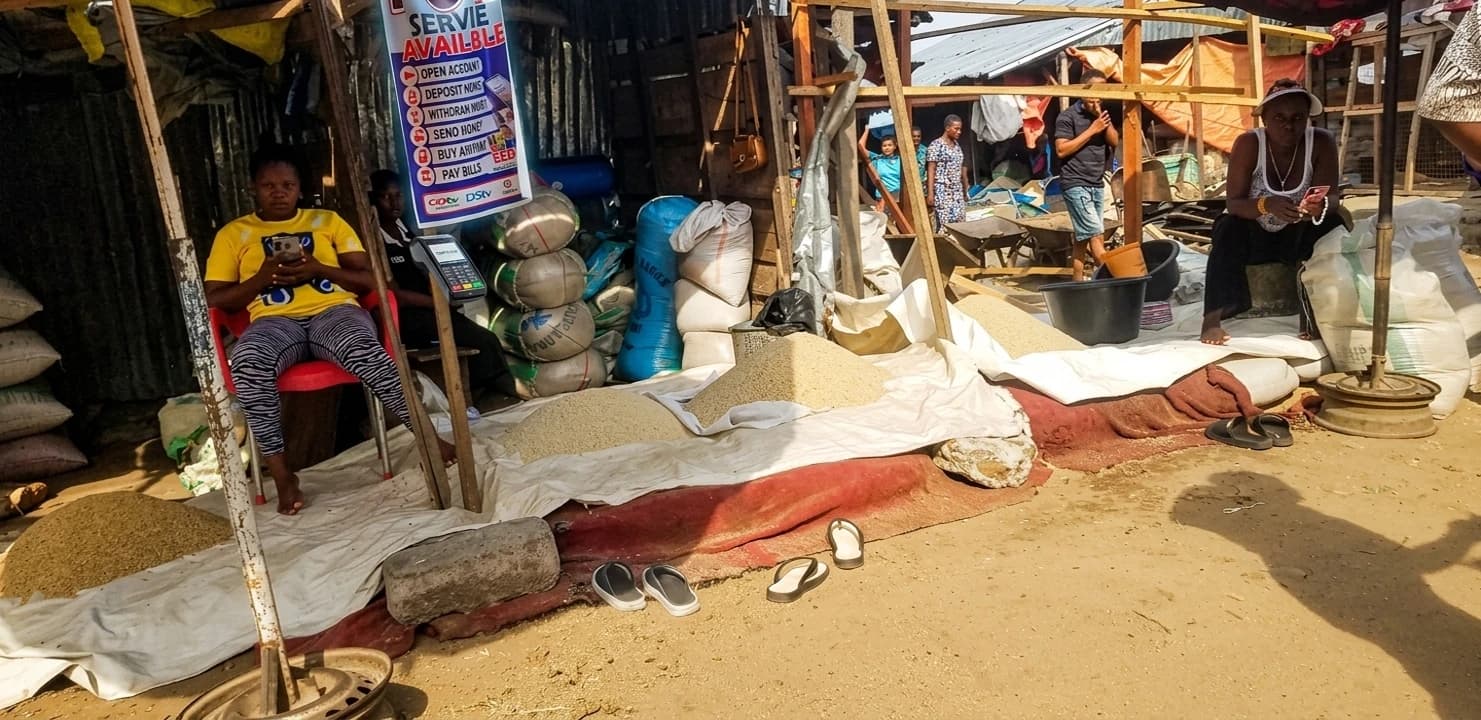
Yasothon’s launch of a PGS-certified organic jasmine rice campaign matters because it aims to lift farm income by selling quality, not volume, in a market where commodity rice margins are thin and volatile.
Thailand Pushes Premium Organic Jasmine Rice
For investors, the significance is less about a single provincial product than about Thailand’s broader attempt to move parts of its rice sector up the value chain. Protected Geographical Indication-style branding and Participatory Guarantee System certification can support premium pricing, strengthen traceability and widen access to health-conscious domestic and export buyers. That is economically relevant in a country where farmers are still heavily exposed to fertilizer costs, weather swings and price competition from larger producers.
The move also fits a wider regional pattern in which governments and producer groups are trying to defend agricultural incomes by emphasizing differentiated, sustainably produced food rather than bulk output. Premium rice varieties and organic certification can help farmers capture more of the consumer value embedded in branding, packaging and origin claims. The model is especially attractive for jasmine rice, where Thailand already has global recognition and where buyers in premium channels tend to tolerate higher prices if quality and sourcing are consistent.
The challenge is execution. Organic and certified rice systems usually bring higher margins only if producers can maintain standards, aggregate supply efficiently and avoid certification slippage. Smallholders may gain less if compliance costs rise faster than premiums, or if volumes stay too fragmented to matter in modern retail and export channels. That is why local support, extension services and market access are as important as the label itself.
For investors in agricultural supply chains, the story underscores a shift away from pure commodity exposure toward branded food, traceable sourcing and sustainability-linked production. The bull case is that premium Thai jasmine rice can protect farm incomes and support export positioning. The bear case is that certification alone does not fix structural weaknesses in yield, logistics or bargaining power. The next test is whether Yasothon’s growers can turn the branding into durable pricing power rather than a one-off promotional lift.
| Entity | Gains | Losses |
|---|---|---|
| Yasothon farmers | ▲Higher unit prices | ▼Commodity price dependence |
| Certified rice buyers | ▲Traceable premium supply | ▼Lower bargain pricing |
| Local authorities | ▲Rural income support | ▼Pressure to prove results |
| Conventional rice producers | ▲— | ▼Share to premium rivals |