Thailand’s Treasury has already collected more than 50 billion baht in revenue in the first nine months of the fiscal year, beating its full-year target as value-added tax receipts, the Vayupak Fund dividend and surplus from bond sales bolster state finances.
Thailand Treasury Beats Revenue Target

The stronger-than-planned intake matters because it gives the government more room to fund spending without leaning as heavily on borrowing, a useful buffer at a time when growth remains uneven and inflation is still a policy consideration. Higher revenue also improves the fiscal backdrop for Bangkok as it balances support for households and investment with the need to keep debt dynamics contained.
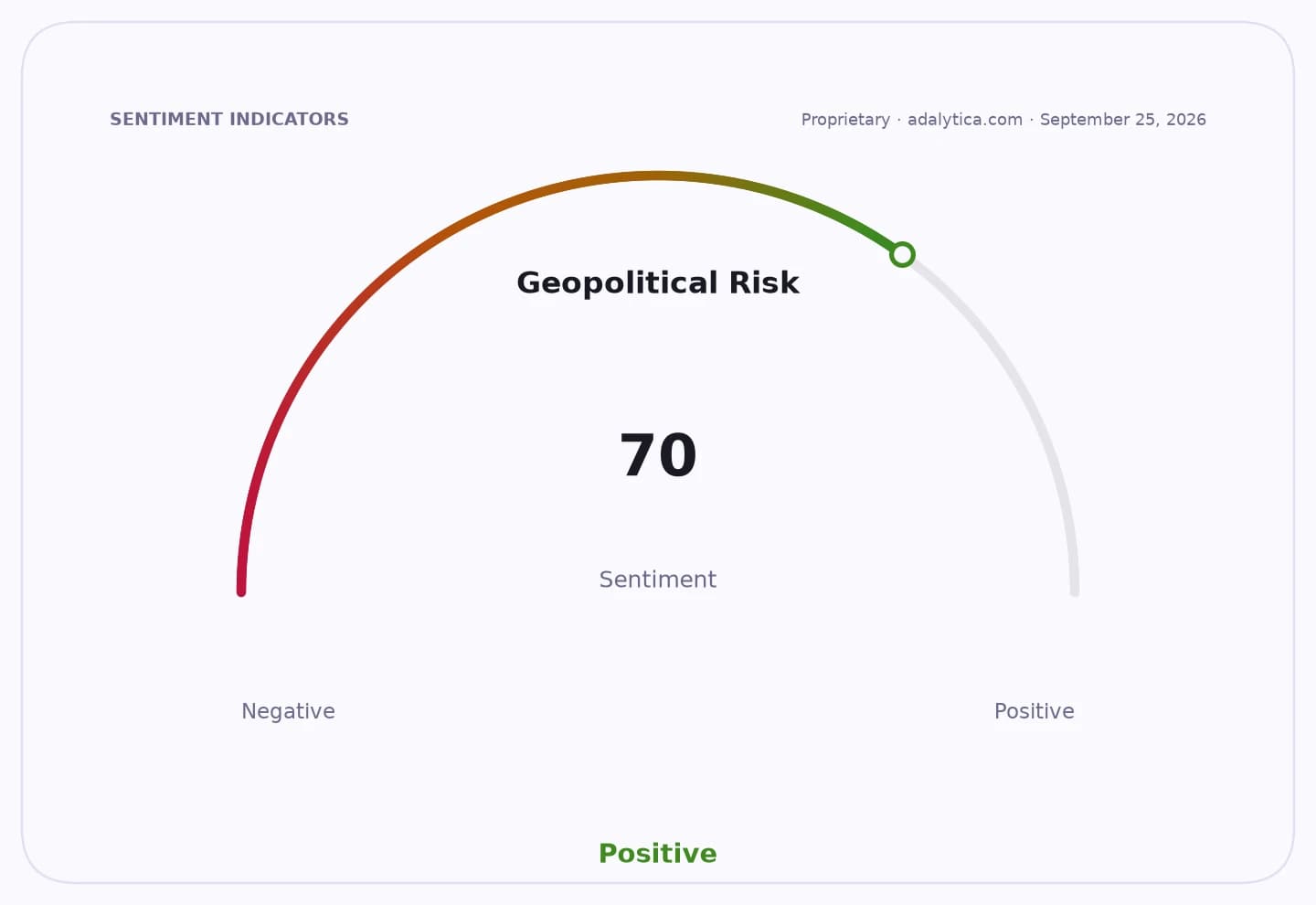
Sentiment IndicatorsⓘProprietary · adalytica.com · July 28, 2026
This is a snapshot — live sentiment, awareness and momentum for 130+ markets update continuously in the dashboard.Open AlphaPulse

The revenue outperformance appears to be driven less by a broad surge in economic activity than by a mix of tax collections and one-off financial inflows. VAT typically tracks domestic consumption, while dividend income from the Vayupak vehicle and gains on bond sales can provide a sizable lift to the Treasury’s cash position even when the operating economy is less robust.
For investors, the key implication is a marginally stronger sovereign fiscal profile and less immediate pressure on public borrowing needs. That can support confidence in Thai government bonds and help limit near-term funding risk, even if the revenue beat is partly dependent on non-recurring sources rather than a structural acceleration in growth.

The broader read-through is that Thailand’s fiscal position is benefiting from a favorable financing mix just as policymakers face pressure to keep the economy moving. The next test will be whether tax collections continue to improve into the final quarter and whether the government can convert the revenue surprise into steadier growth without widening the deficit again.
| Entity | Gains | Losses |
|---|---|---|
| Thai Treasury | ▲Higher cash intake | ▼Less need for new borrowing |
| Government budget | ▲More fiscal room | ▼Pressure to cut spending eases |
| Government bondholders | ▲Lower funding risk | ▼Fewer yield concessions |
| Taxpayers/importers/consumers | ▲— | ▼VAT burden remains elevated |