A magnitude 7.0 earthquake in Tibet has killed at least 16 people, injured 76 and collapsed more than 300 homes, underscoring the immediate humanitarian toll and the wider risk to infrastructure in one of China’s most seismically active regions.
Tibet earthquake kills 16, damages homes in China
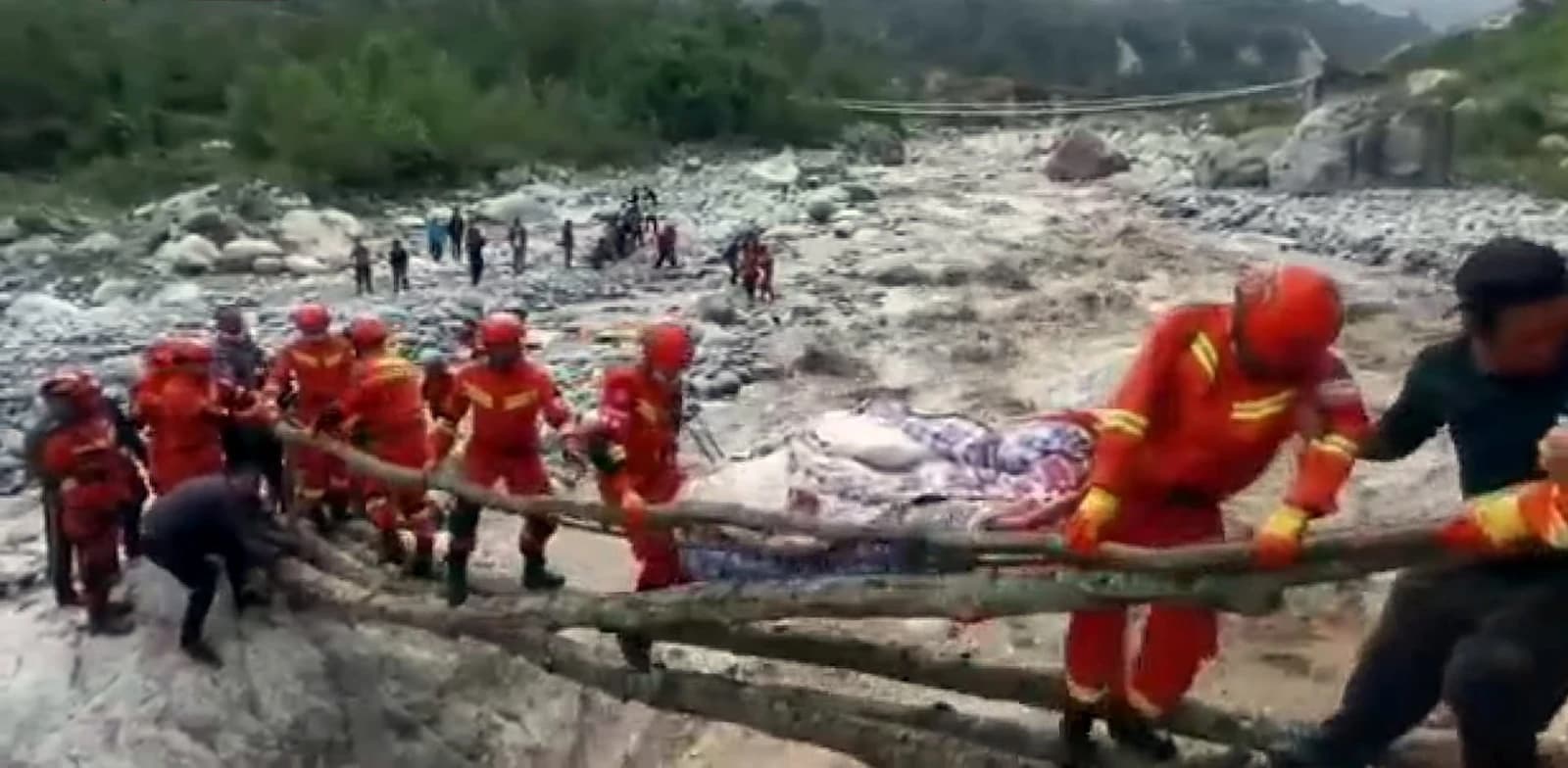
The quake struck near Nagqu in northern Tibet at 10 kilometers depth, according to China’s seismic authorities, with rescue and disaster-relief crews mobilized as officials assess damage and search for survivors. The shallow depth and mountain location raise the odds of severe local destruction, even if the event is unlikely to move national markets on its own.
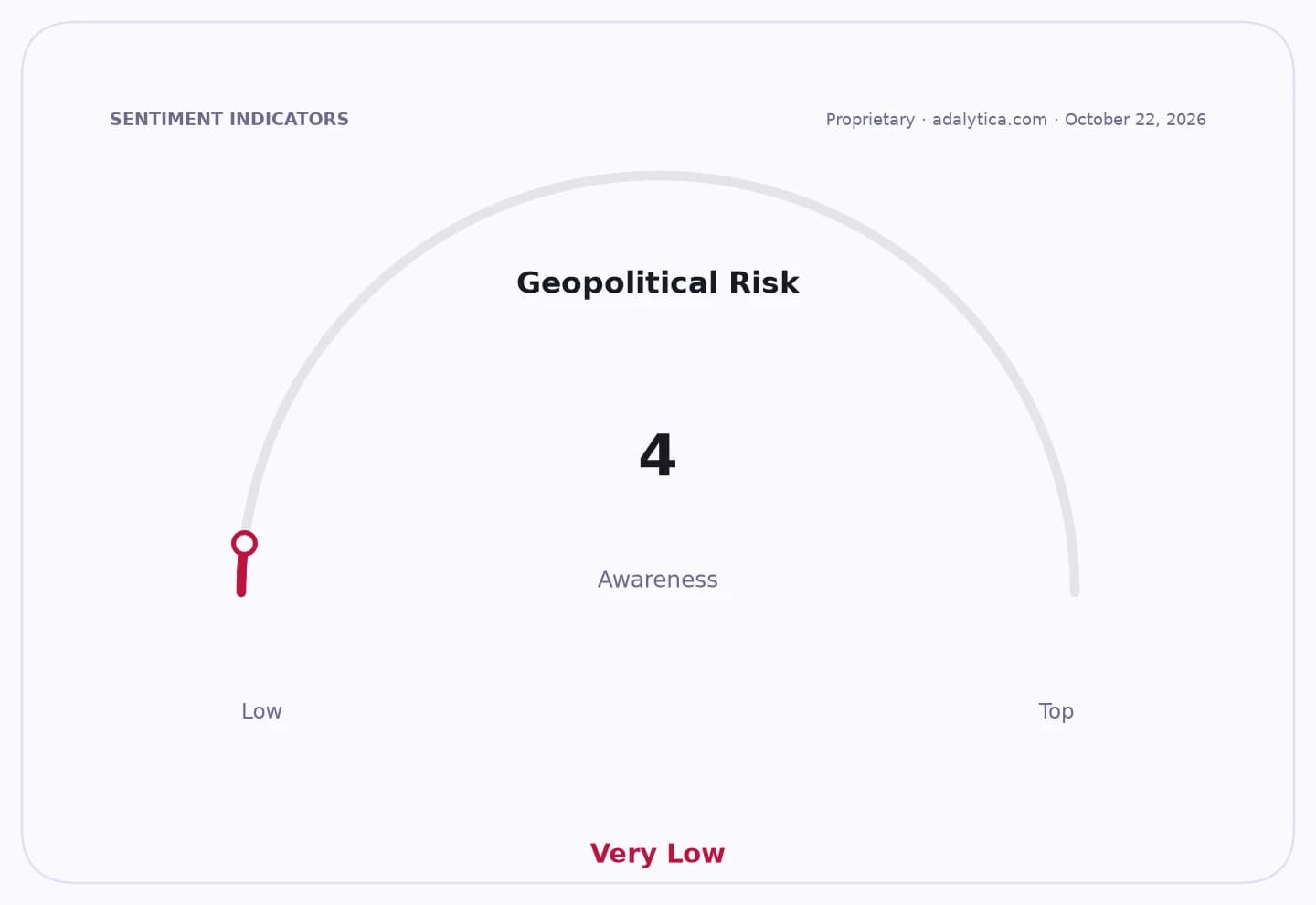
Sentiment Indicators
For investors, the direct read-through is limited but not zero. Disasters of this scale can hit local transport links, power lines and logistics routes, while also increasing future spending on rebuilding, emergency response and infrastructure hardening. In China, such shocks can feed into short-term volatility in sentiment toward domestic growth, even if the macro hit is usually concentrated regionally.
The event also highlights the broader exposure of insurers, reinsurers and infrastructure operators to natural catastrophe risk in China and along major Asian fault lines. Authorities have repeatedly warned that Tibet sits in a high-risk seismic zone, making resilient housing and public works a continuing policy issue rather than a one-off emergency.
Chinese equities linked to domestic growth remain under pressure more broadly, with the FXI China large-cap ETF at 32.46 and the MCHI China ETF at 49.04 in the latest data, both still trading below their 200-day moving averages. That keeps investors focused on whether any reconstruction spending offsets the hit from disruption, and whether the quake adds to already fragile risk appetite for China assets.
The next catalyst is the official damage assessment, which will determine the scale of rebuilding costs and whether the disaster becomes a local infrastructure story or a larger policy and insurance issue.
| Entity | Gains | Losses |
|---|---|---|
| Local rescue and construction firms | ▲Relief and rebuilding demand | ▼Operational strain |
| Chinese authorities | ▲Policy focus on preparedness | ▼Political pressure from casualties |
| Insurers and reinsurers | ▲Potential premium attention | ▼Catastrophe loss exposure |
| Tibet households and businesses | ▲Aid and reconstruction support | ▼Homes, livelihoods, infrastructure |