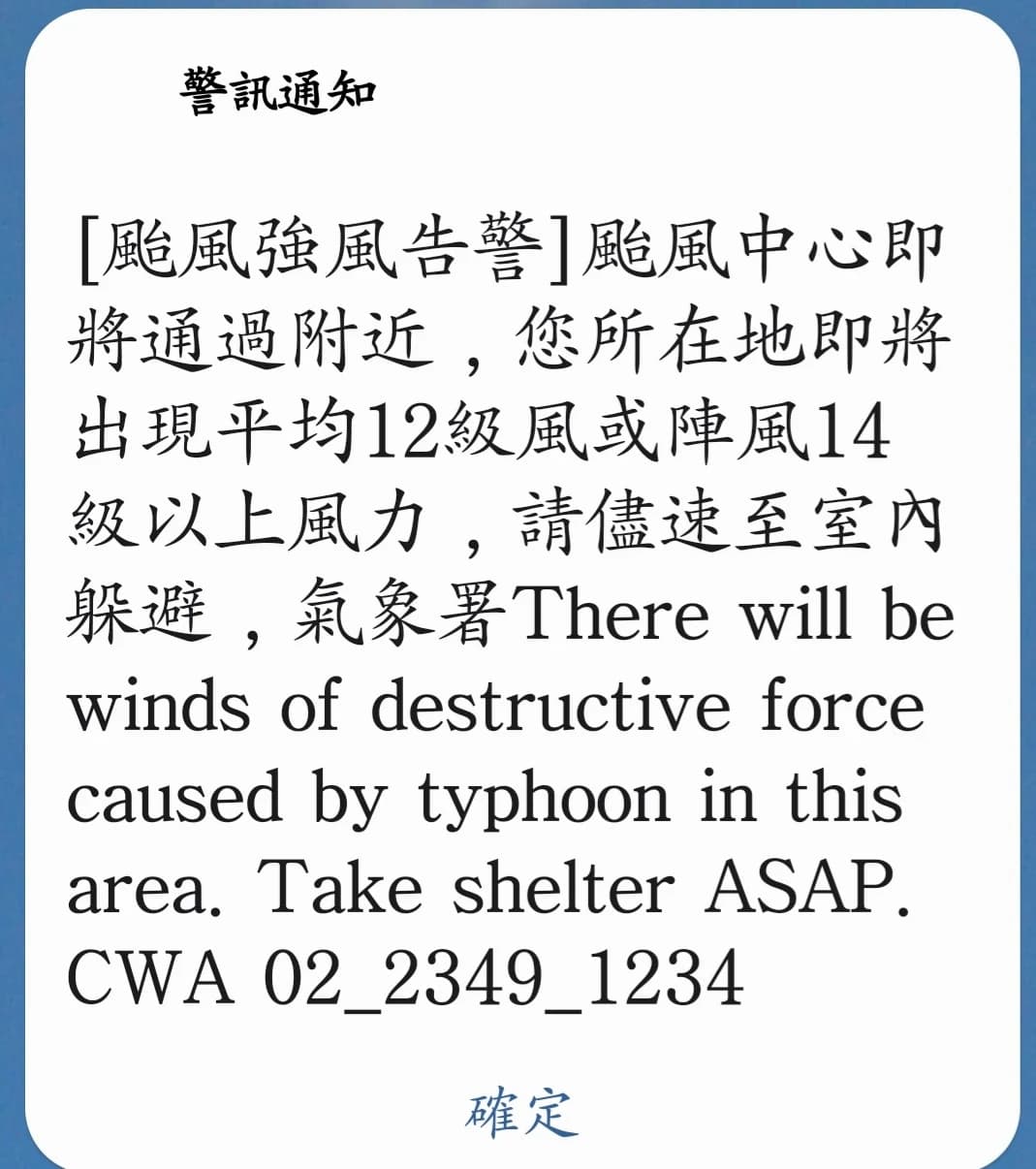
Tropical Storm Champi is now moving toward China after leaving a trail of deaths, power outages and transport disruptions in Taiwan and Japan, underscoring how a single late-season storm can quickly ripple through the region’s logistics, tourism and power systems.
Tropical Storm Champi Hits Taiwan, Japan, China
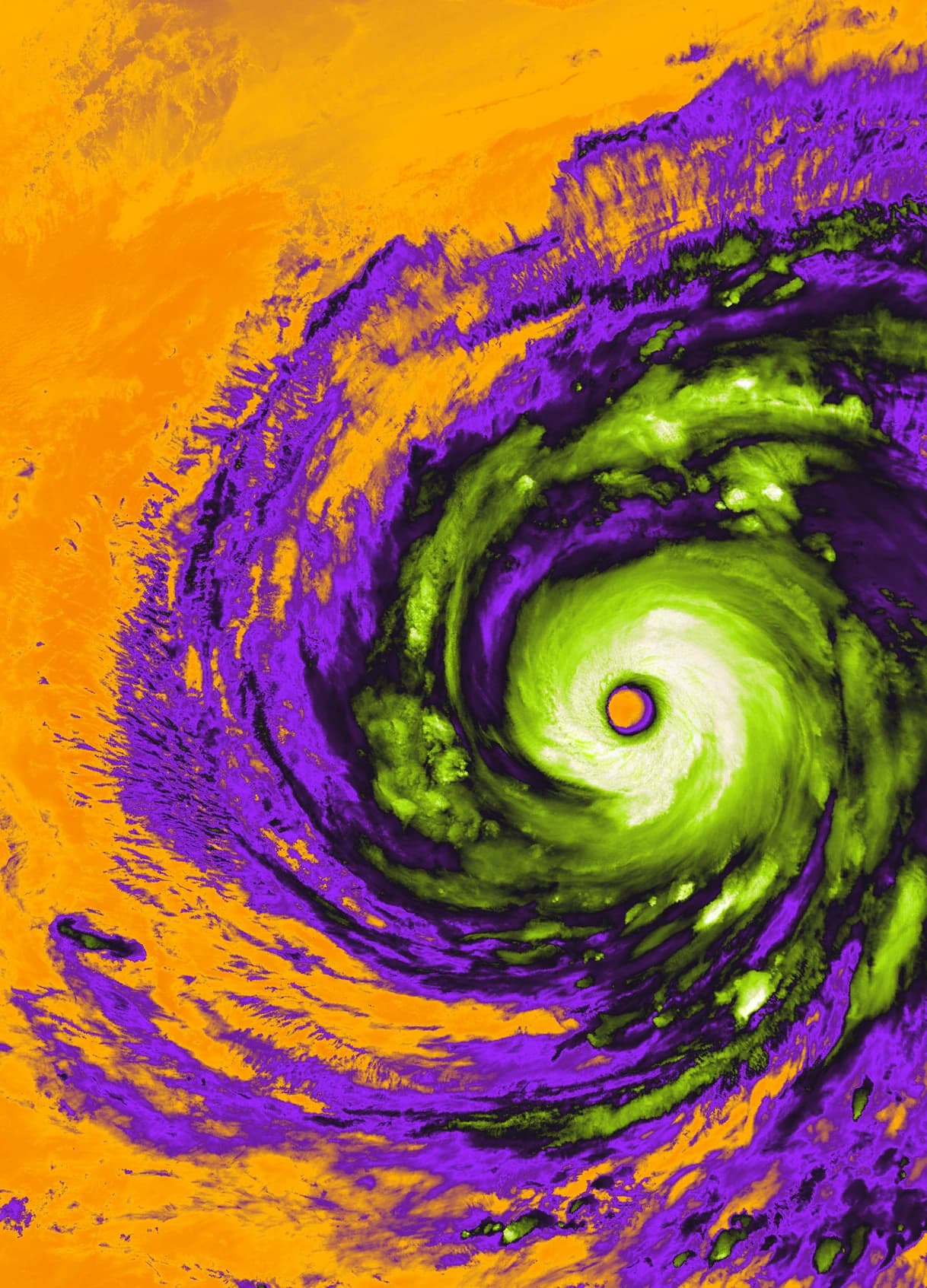
The immediate economic hit is concentrated in shutdowns rather than permanent damage, but that still matters for investors. Taiwan restored power to more than 90% of the 340,000 households affected, yet the storm still forced evacuations, shuttered shops across the north and center of the island, and cancelled hundreds of flights across the region. In China, authorities evacuated tens of thousands of people in Shanghai and suspended some train services as heavy rain and strong winds approached the east coast.
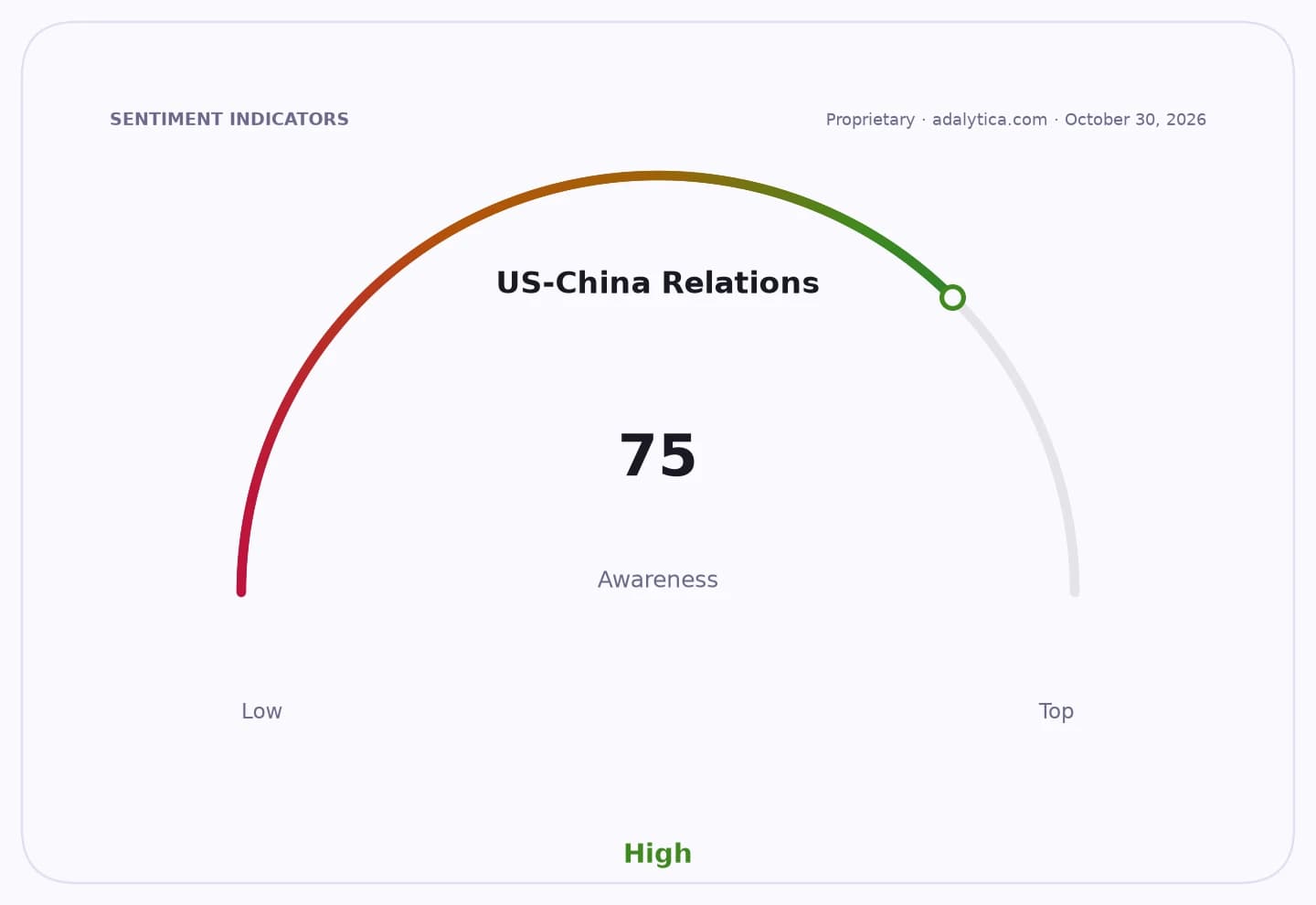
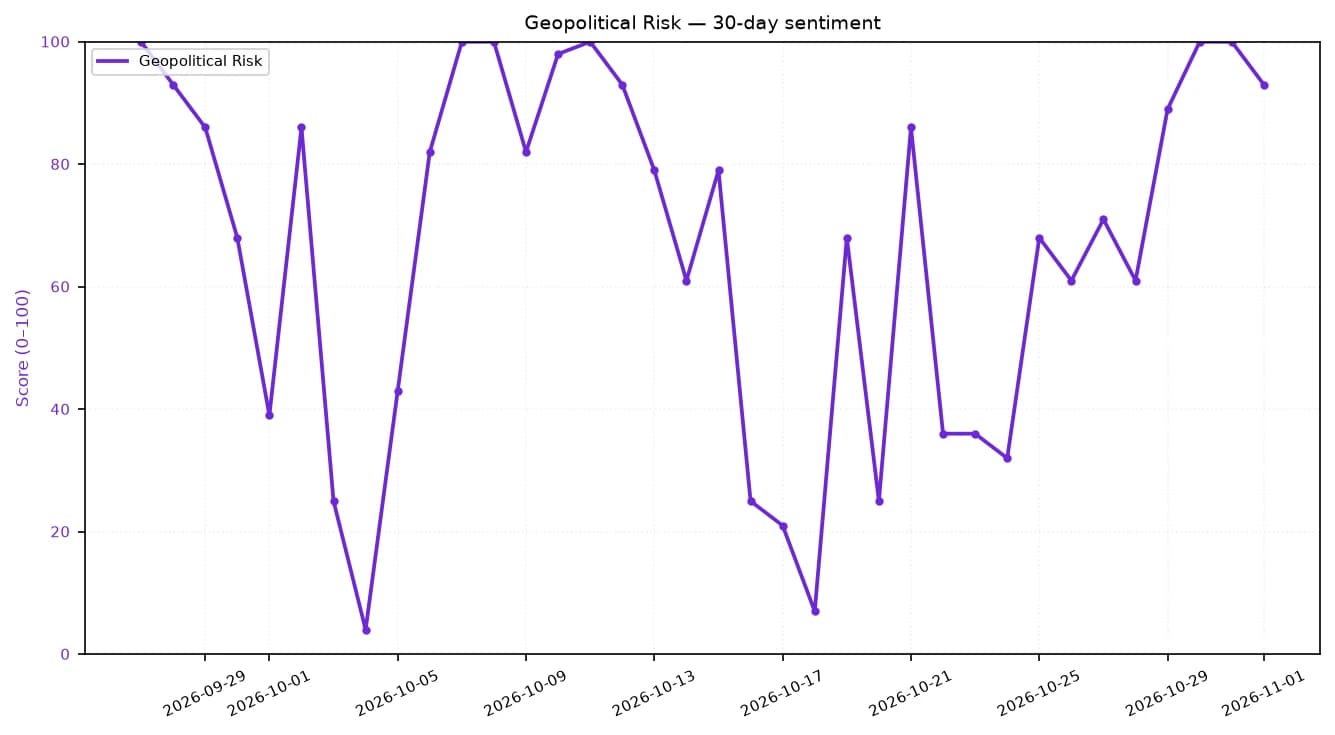
Sentiment Indicators
That makes Champi more than a weather headline. East Asia is a critical node in global manufacturing and shipping, and even short-lived interruptions can tighten schedules for airlines, ports, insurers and industrial supply chains. The storm’s path across Taiwan, Japan’s southern islands and now coastal China also highlights how climate-linked volatility is raising the operating risk premium across the region, especially as El Nino turbocharges Pacific storm activity.
For investors, the key question is not whether one storm changes the macro cycle, but which businesses benefit from the growing need for resilience. Power grid operators, disaster-recovery contractors, insurers and infrastructure hardening plays stand to gain from a world where extreme weather is becoming more frequent and more costly. By contrast, airlines, local retailers and tourism-heavy island economies absorb the first-round pain when flights are grounded and consumer traffic disappears.
The broader backdrop is unfavorable for complacency. The United Nations has warned that the current El Nino is “heading off the charts,” and the storm season has already produced a super typhoon earlier in Champi’s life cycle. That argues for positioning around adaptation rather than hoping for normal weather patterns to return. The market is underestimating how often climate disruption can interrupt commerce in Asia’s production belt.
The actionable takeaway: treat storms like Champi as a recurring stress test for the region’s physical economy, and look for companies and funds tied to grid resilience, logistics backup, insurance and climate adaptation rather than cyclical exposure to transport and tourism.
| Entity | Gains | Losses |
|---|---|---|
| Grid repair and resilience firms | ▲Cleanup and hardening demand | ▼Disrupted households and utilities |
| Airlines and airports | ▲Rebound traffic after cancellations | ▼Lost fares and schedule chaos |
| Insurers and reinsurers | ▲Higher pricing power over time | ▼More claims from wind and flood damage |
| Taiwan/China retail and tourism | ▲Eventual reopening | ▼Near-term foot traffic and sales |