Tokyo’s new-apartment market just delivered a blunt reminder that prime urban housing in Japan is no longer cheap by any global standard: average prices in the city’s 23 wards jumped to a record 265.2 million yen, or about $1.7 million, in July. For investors, that matters because it shows how scarce central Tokyo property has become, how strong high-end demand still is, and why housing-linked businesses can keep benefiting even in a slower-growth economy.
Tokyo Apartment Prices Hit Record 23-Ward High
The surge is economically important because it reflects a market where supply is tight, land is finite and buyers are willing to pay up for location, quality and perceived safety. That combination is pushing both sale prices and rents higher. Tokyo metropolitan-area rents also reached a record 4,209 yen per square meter, a sign that affordability pressure is not just showing up in purchase prices but in monthly housing costs as well.
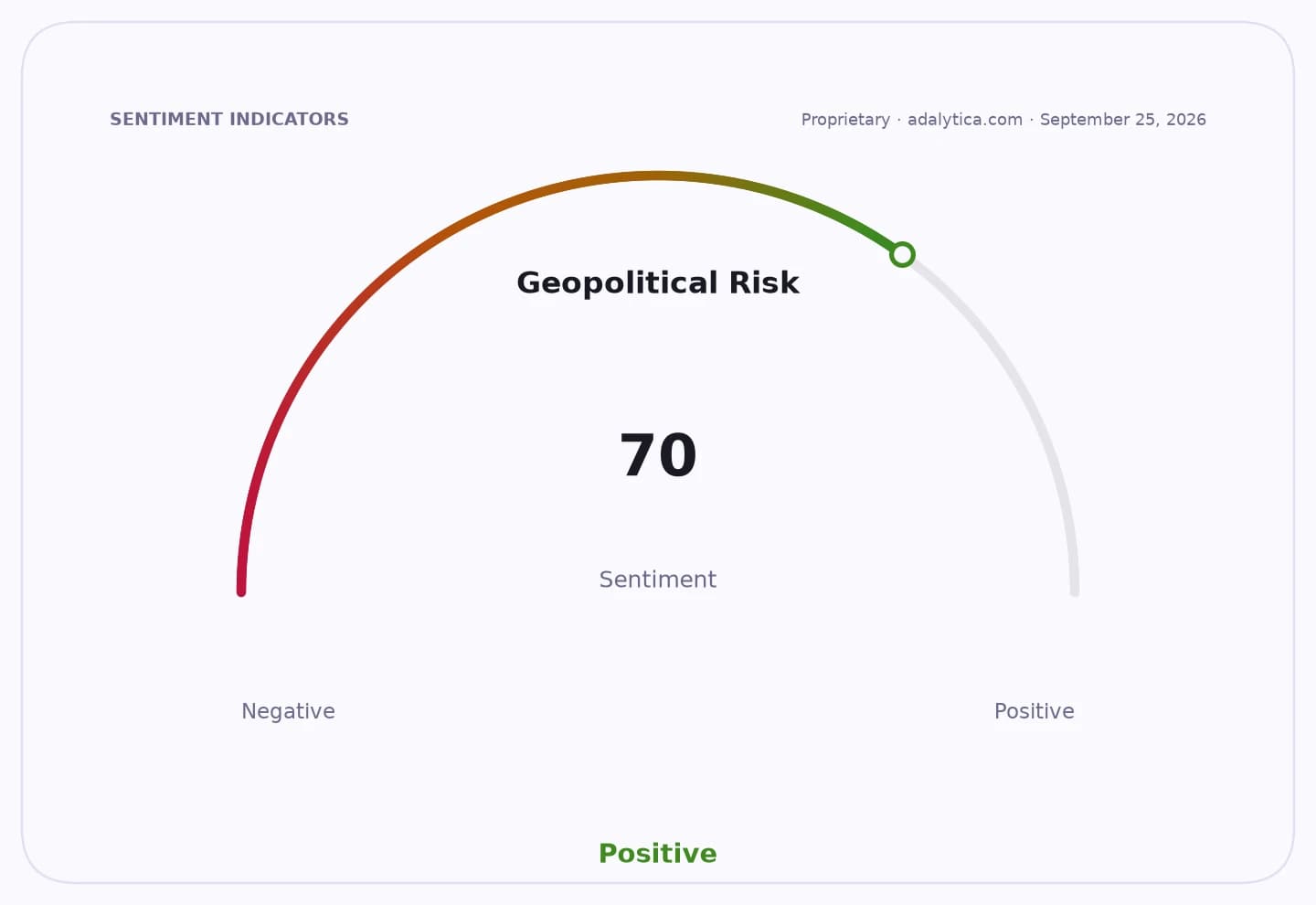
Sentiment IndicatorsⓘProprietary · adalytica.com · August 20, 2026
This is a snapshot — live sentiment, awareness and momentum for 130+ markets update continuously in the dashboard.Open AlphaPulse
This is not a one-off spike created by a single luxury tower. The broader narrative is that central Tokyo has become a structural winner in Asia’s property market, drawing demand from wealthy domestic households, corporate buyers and overseas investors looking for stable, liquid assets in a global city. In a country long associated with deflation and weak pricing power, that shift is striking. It also underscores how ultra-prime real estate can outperform when supply is constrained and incomes at the top end remain resilient.
For investors, the message is two-sided. Developers, builders and landlords with exposure to central Tokyo stand to benefit from robust pricing and healthy rental demand. Buyers, on the other hand, face a much steeper entry cost, which could eventually cap volume even if prices remain elevated. Used condominiums may offer some relief, but the latest data suggest the premium end of the market is still setting the tone.
That makes Tokyo housing worth watching as a long-term theme rather than a short-term trade. If high land values, low vacancy and steady urban demand persist, the market could keep favoring owners over renters and quality assets over plain-vanilla housing stock. For patient investors, the opportunity is in owning the businesses and assets exposed to this scarcity, not trying to time the peak.
| Entity | Gains | Losses |
|---|---|---|
| Tokyo developers/landlords | ▲Higher sale prices and rents | ▼Affordability backlash |
| Housing buyers | ▲— | ▼Bigger upfront costs |
| Rental property owners | ▲Stronger rental income | ▼Higher turnover risk |
| Used condo sellers | ▲Spillover demand | ▼New-build competition |