Toyota and Mercedes-Benz shares are moving higher as aggressive discounting across Vietnam’s car market underscores a broader demand squeeze that is forcing automakers and dealers to defend volume with lower prices.
Toyota, Mercedes-Benz Shares Rise as Vietnam Discounts Deepen

The most important development is not the individual cuts themselves, but what they say about pricing power in a market where buyers are still highly selective and dealers are leaning on discounts to keep inventory moving. That matters because lower sticker prices can support unit sales in the near term while putting pressure on gross margins, especially for import-heavy models and premium brands that have less room to absorb concessions.
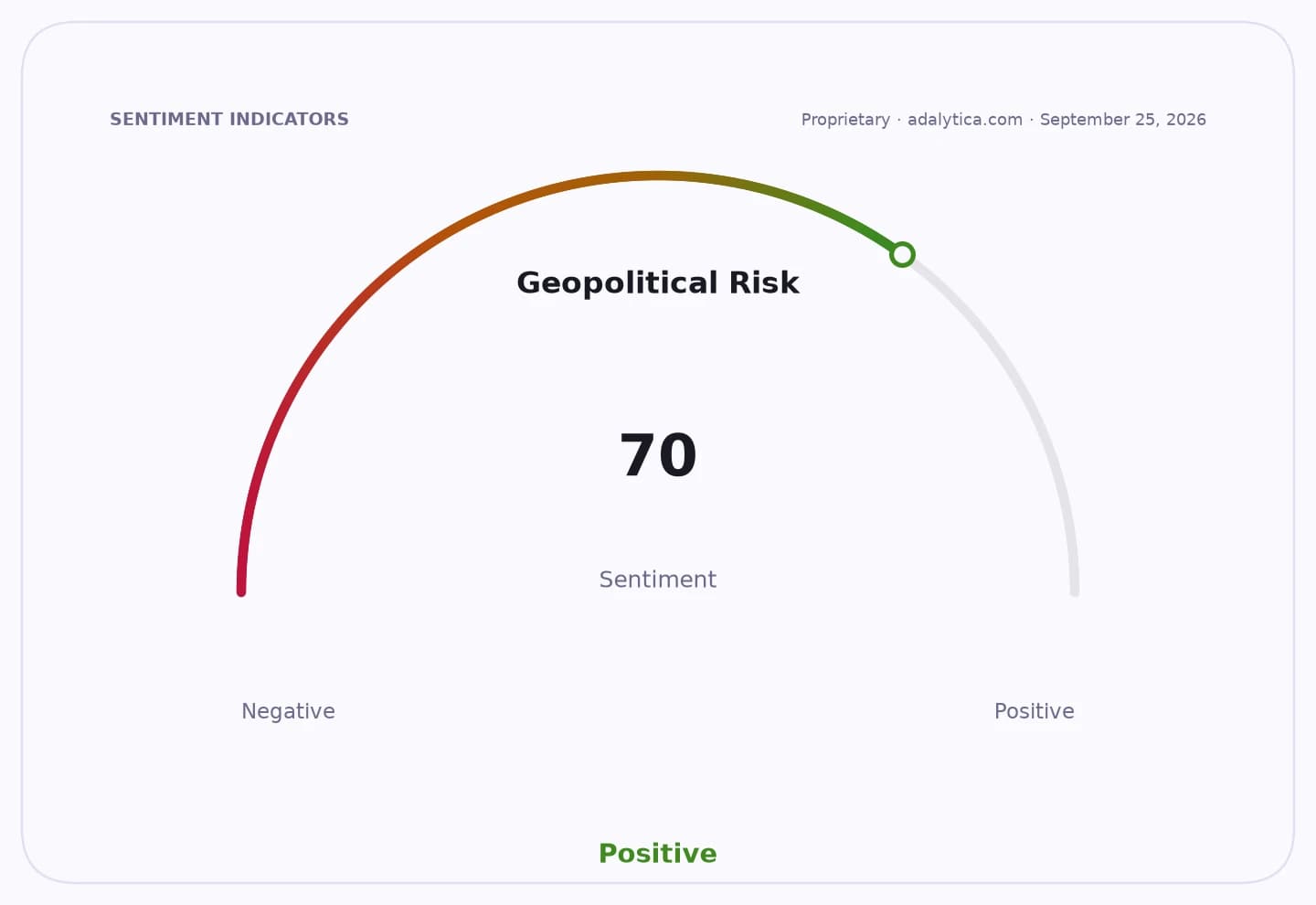
Sentiment IndicatorsⓘProprietary · adalytica.com · August 10, 2026
This is a snapshot — live sentiment, awareness and momentum for 130+ markets update continuously in the dashboard.Open AlphaPulse
Mercedes-Benz Group’s U.S.-listed shares, tracked by MBGAF, rose to $54.34 on Aug. 7 from $53.80 a day earlier, while Toyota Motor climbed to $190.09 from $187.49, extending a recent rebound in both names. Mercedes-Benz has recovered from a March low of $54.77 to trade back above its 50-day moving average of $53.42, with RSI at 65.9 and MACD positive, suggesting the stock has regained momentum after a sharp selloff. Toyota is also holding above its 50-day average of $178.72, with the shares up from a June low of $172.03 and still well below the 200-day average of $203.41.
The Vietnam price action highlights the pressure points in the market. Dealers have cut prices on a Mitsubishi Attrage MT by 80 million dong to 300 million dong, while other models including the Omoda C5 and Jaecoo J7 have also seen reductions. The result is a more competitive lower-end market, where affordability is now the main weapon and rivals are being forced to follow or lose share.
For investors, the risk is that discounting spreads beyond entry-level models. Prolonged price competition can weigh on earnings quality even when sales volumes stabilize, and it can become especially costly if the weakness extends to higher-margin segments. The move also reinforces the gap between brands with strong pricing power and those relying on incentives to clear stock.
Broader market signals point to a risk-on backdrop, with the S&P 500 showing “Extreme Greed” in Adalytica’s trade signals and the U.S. dollar also flashing “Extreme Greed,” but the auto story is less about macro exuberance than local competition and consumer sensitivity. Traders will now be watching whether the discounting in Southeast Asia spreads to other emerging markets and whether automakers acknowledge margin pressure in upcoming results.
| Entity | Gains | Losses |
|---|---|---|
| Buyers in Vietnam | ▲Lower car prices | ▼None |
| Dealers/automakers | ▲Faster inventory turnover | ▼Margins and pricing power |
| Toyota, Mercedes-Benz | ▲Recent share momentum | ▼Exposure to broader auto discounting |
| Mitsubishi and budget rivals | ▲Short-term sales lift | ▼Profitability under heavy discounting |