Toyota Motor said hefty quarterly profit was boosted by a weak yen and firm vehicle demand, underscoring how Japan’s biggest automaker is still benefiting from currency tailwinds even as global auto margins face a tougher cost backdrop.
Toyota Profit Boosted by Weak Yen, Firm Demand
The result matters because Toyota sits at the center of Japan’s export economy. A weaker yen inflates overseas earnings when they are repatriated, and for Toyota that effect can be large enough to cushion slower pricing growth, higher material costs and rising investment in electrification and software. It also reinforces a broader pattern in Japan: exporters are still translating currency weakness into cash flow at a time when domestic inflation and policy normalization are pressuring households and lenders.
Sentiment IndicatorsⓘProprietary · adalytica.com · August 5, 2026
This is a snapshot — live sentiment, awareness and momentum for 130+ markets update continuously in the dashboard.Open AlphaPulse
For investors, the message is two-sided. On one hand, Toyota’s earnings resilience supports the case for the stock’s relative strength and for continued shareholder returns, including buybacks. The company announced a repurchase and treasury stock retirement in a filing this week, a signal that management still sees scope to return capital while balance-sheet flexibility remains intact. Toyota’s U.S.-listed shares closed at $189.17 on Aug. 4, above the 50-day moving average of $178.84, while the Tokyo shares finished Aug. 5 at 2,914.5 yen, well below the 200-day moving average of 3,162.36, reflecting a market that has rewarded the currency story but remains cautious on the longer-term earnings trajectory.
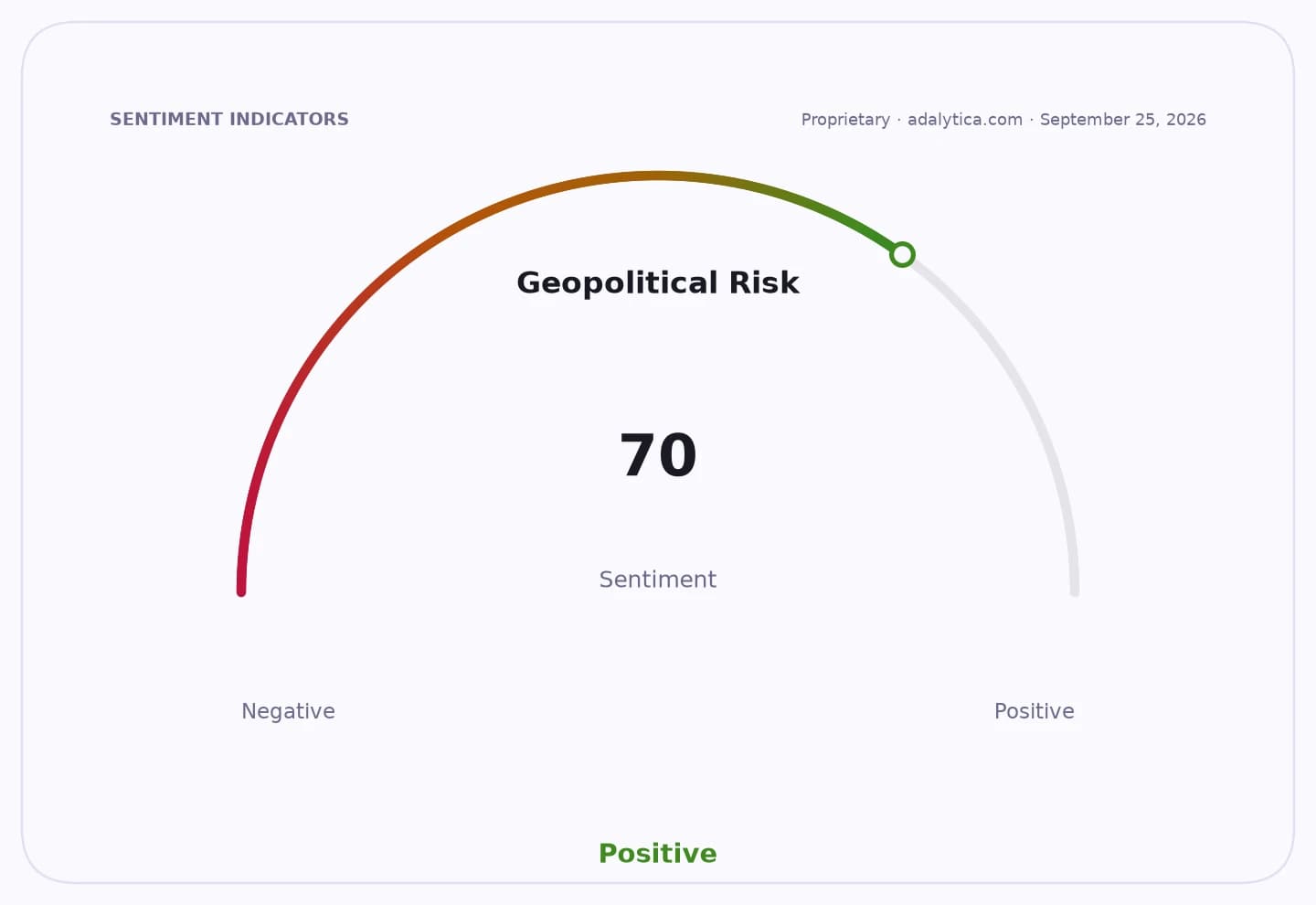
On the other hand, the yen tailwind is not purely a gift. It is also a reminder that a large share of Toyota’s profit engine remains exposed to exchange rates that can reverse quickly. The dollar remains elevated, and Adalytica’s Japanese yen trade signals show extreme greed, a sign that positioning has become crowded. That makes the earnings boost potentially fragile if the yen stabilizes or strengthens, especially if U.S. yields keep rising. The 10-year Treasury yield was around 4.76% in forecast data, near its recent highs, which tends to support the dollar and pressure the yen, but it also raises the risk of sharper moves if rate expectations shift.
Toyota’s sales backdrop helps explain why the company can absorb that volatility better than many peers. Solid vehicle demand has supported volumes at a time when the global industry is still digesting supply-chain disruptions and uneven consumer demand. The broader Japanese auto sector is also getting help from export pricing, while rivals such as Honda have pointed to the same weaker yen as a factor behind better-than-expected results. In the U.S., where Toyota and other Japanese brands remain heavily exposed, resilient demand for hybrids has given the company an extra buffer even as pure EV competition intensifies.
The key question for the rest of the year is whether Toyota can keep converting currency gains into durable operating strength. If the yen stays weak and sales remain steady, profit estimates could still prove conservative and capital returns may stay generous. But if the currency turns and pricing power fades, the market will focus more heavily on underlying auto margins, electrification spending and the pace of demand in the U.S. and China.
| Entity | Gains | Losses |
|---|---|---|
| Toyota | ▲Higher yen-translated profit | ▼Currency reversal risk |
| Japanese exporters | ▲Stronger overseas earnings | ▼Import-cost pressure |
| Toyota shareholders | ▲Buybacks and earnings support | ▼Earnings volatility |
| Yen bulls | ▲Potential for valuation rebound | ▼Crowded positioning |