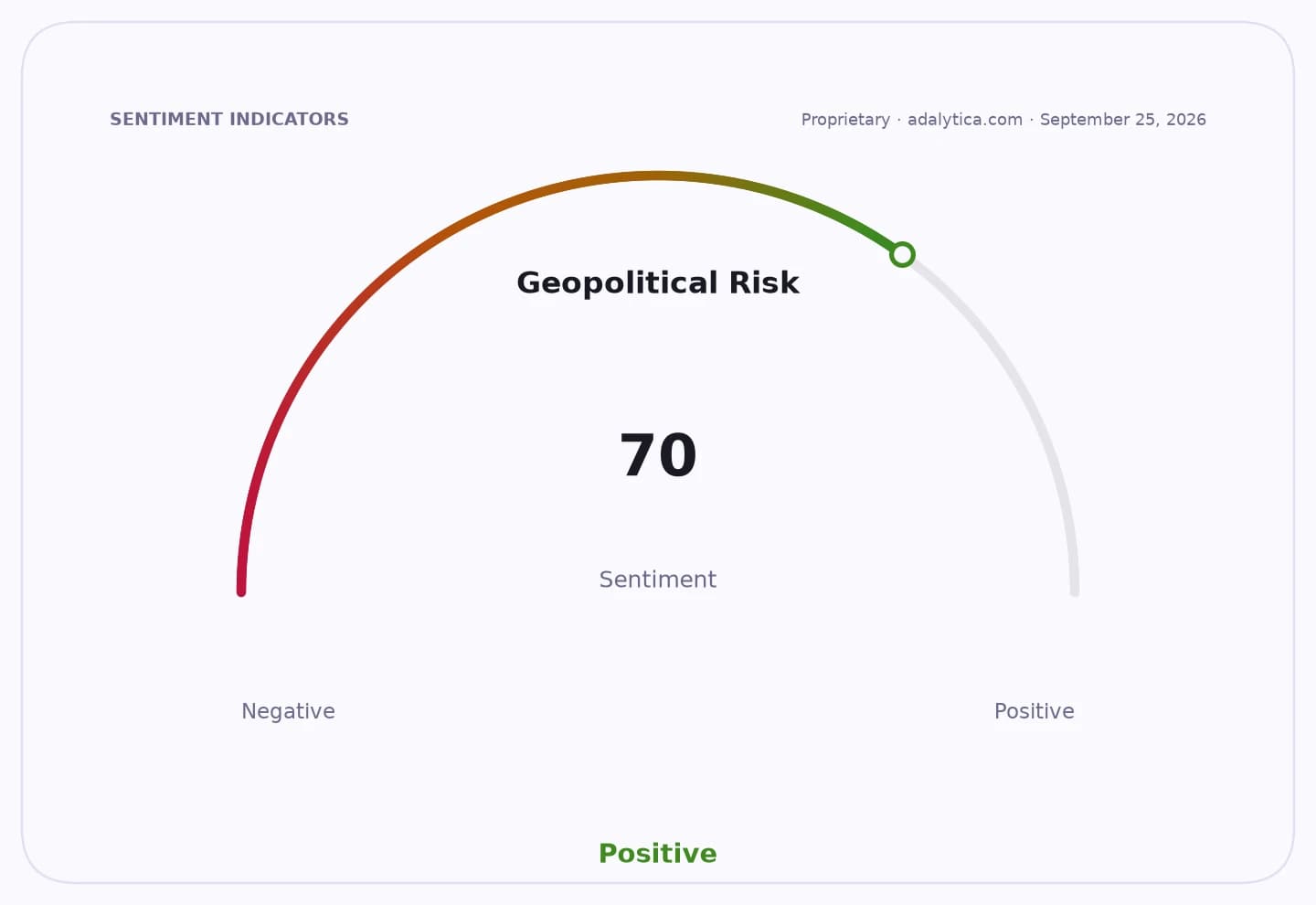
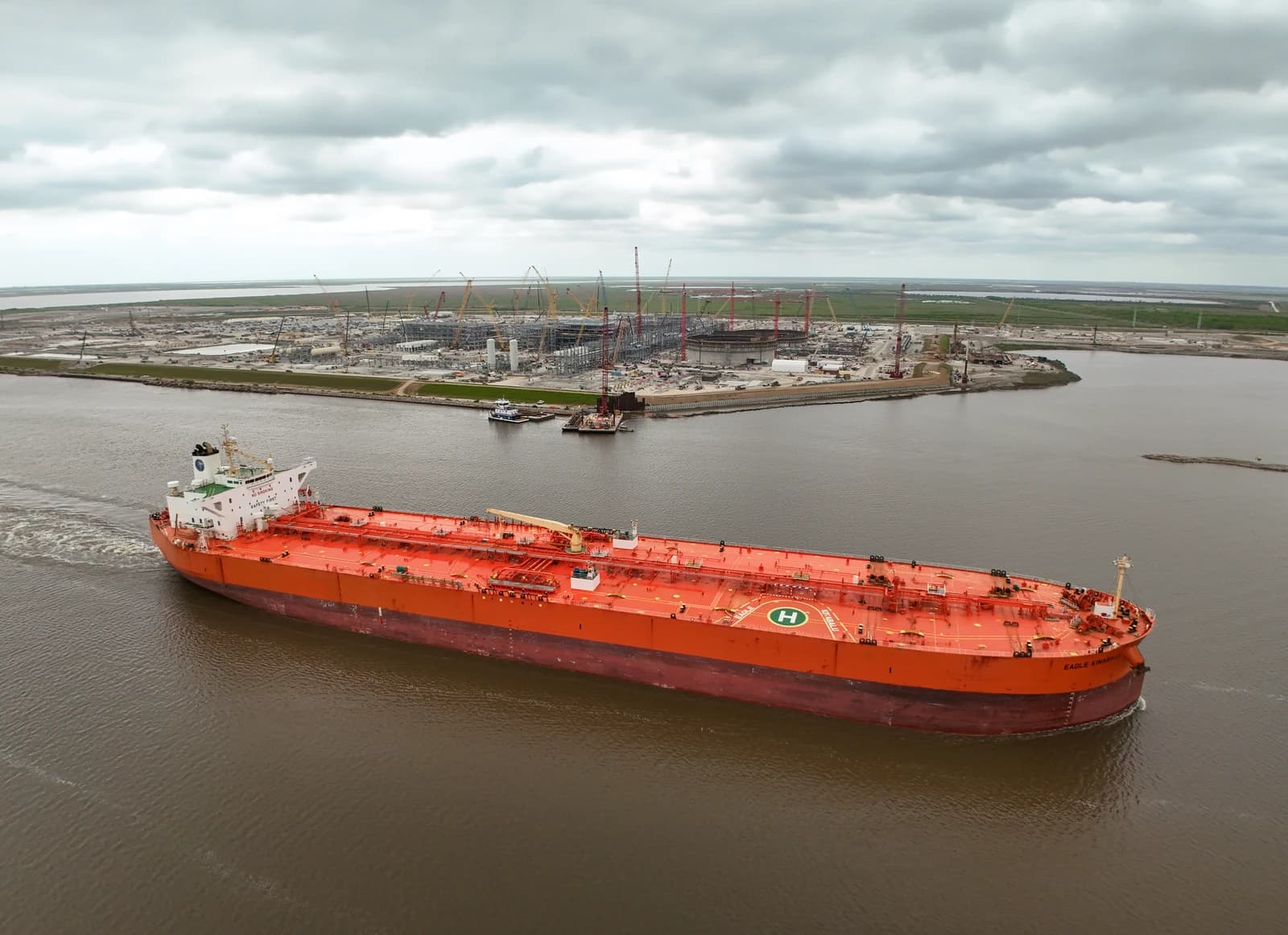
Higher transport costs are the part of inflation investors often underestimate until they show up in everyday fares, food prices and margins. That is why a budget cut for ferry transport in Indonesia’s far-flung 3T regions — areas considered lagging in development, remote and vulnerable — matters well beyond a single line item: it could feed inflation where logistics are already fragile and household budgets are tight.
Transport Costs May Stoke Indonesia Regional Inflation
The economic danger is straightforward. In places where boats and ferries are not a convenience but a lifeline, transport is the price mechanism that connects consumers to everything else. When fuel costs rise, operators pass them through quickly, and that can ripple into food, household goods and basic services. The result is often a broader inflation pulse in regions that are least equipped to absorb it.
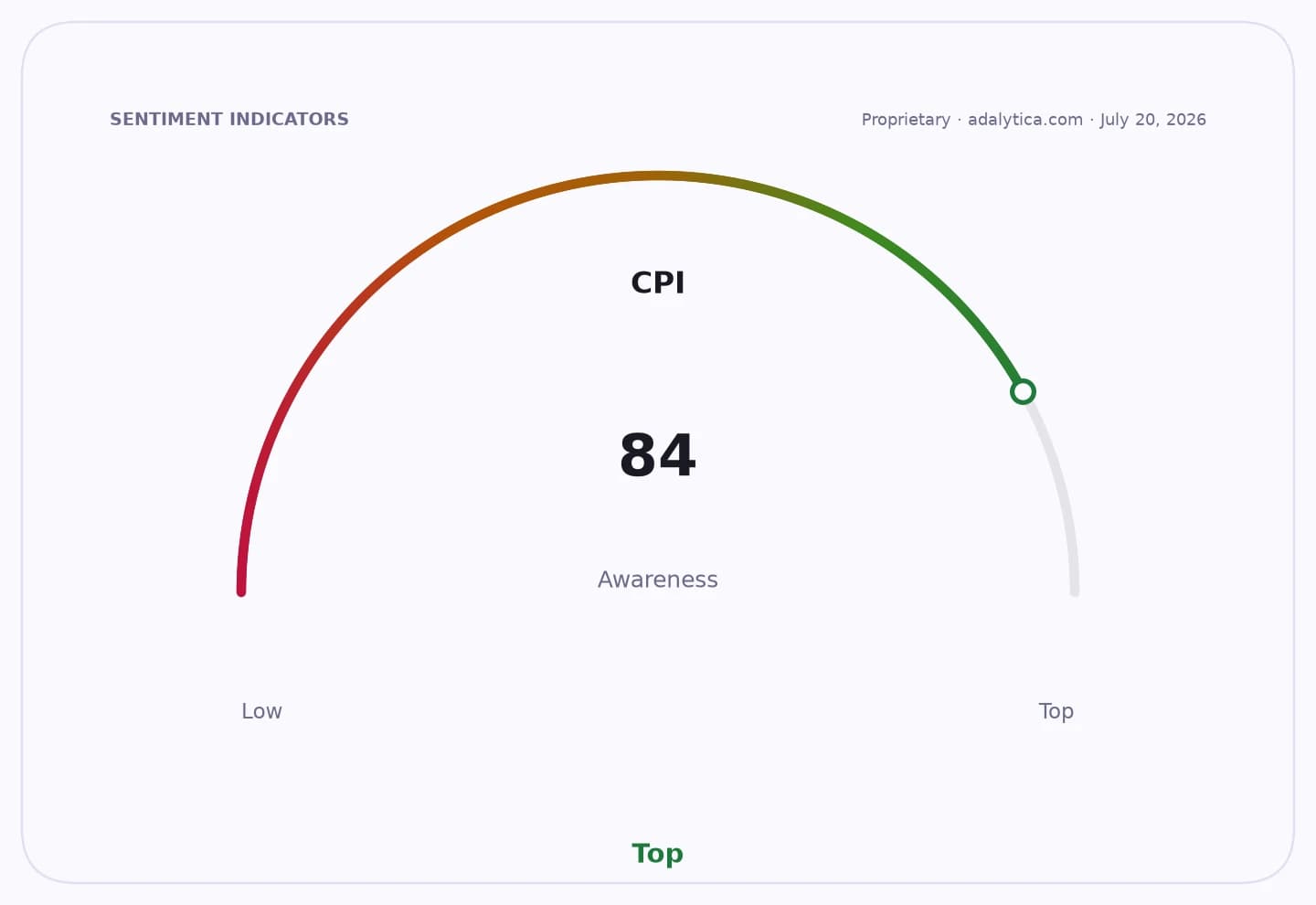
Sentiment IndicatorsⓘProprietary · adalytica.com · July 20, 2026
This is a snapshot — live sentiment, awareness and momentum for 130+ markets update continuously in the dashboard.Open AlphaPulse
That dynamic is not unique to Indonesia. A recent fare increase in Rawalpindi showed how quickly petroleum costs can reach passengers, while global data still point to pressure in transport and energy-sensitive categories. U.S. consumer prices have climbed to 332.568 in June from 332.407 in April, with the forecast pointing higher to 335.512 in July, while producer prices, at 286.827 in June, remain well above pre-pandemic levels. Even when monthly moves look modest, the message for investors is the same: energy shocks transmit through transportation first.
Oil is the immediate swing factor. West Texas Intermediate has jumped and retreated sharply this year, recently trading around $125 a barrel in the USO ETF, where conventional technical indicators show the fund still extended versus its 50-day moving average and with RSI readings in overbought territory. That tells investors the market is still sensitive to headline-driven spikes in fuel costs, even if the latest Adalytica trade-signal snapshot for oil is only neutral.
For investors, the bigger point is that transportation inflation is rarely isolated. It can squeeze consumers, pressure local purchasing power and complicate policy if authorities have to balance subsidy discipline against social stability. It also creates winners and losers: fuel suppliers, shippers and some inflation hedges tend to benefit, while ferry operators, rural consumers and businesses dependent on steady logistics usually bear the cost.
Over the long run, this is a reminder that infrastructure-heavy, remote economies are especially exposed to energy volatility. If fuel prices stay firm, the inflation story in Indonesia’s 3T regions could worsen before it improves. For patient investors, that is worth watching closely — not as a trade, but as a structural risk to consumer spending, margins and policy flexibility.
| Entity | Gains | Losses |
|---|---|---|
| Fuel suppliers | ▲Higher pricing power | ▼None |
| Ferry operators | ▲None | ▼Thinner margins |
| Rural consumers | ▲None | ▼Higher living costs |
| Inflation hedges | ▲Stronger demand | ▼Rate-sensitive assets |