Travel + Leisure Co.’s shares are flashing a much stronger backdrop for travel demand than the grumbling over high summer prices in Palanga suggests, with the stock climbing to 77.79 and trading above both its 50-day and 200-day moving averages, a sign investors are still rewarding resilient vacation spending even as consumers complain about costs in Europe’s beach resorts.
Travel + Leisure Gains on Resilient Vacation Demand
That matters because tourism is turning into one of the clearest ways to read consumer health across discretionary spending, destination pricing and cross-border flows. If holidaymakers are still filling rooms and buying tours despite sticker shock, operators with pricing power can protect margins. If they start pushing back, the strain shows up quickly in bookings, ancillary spending and resort occupancy.
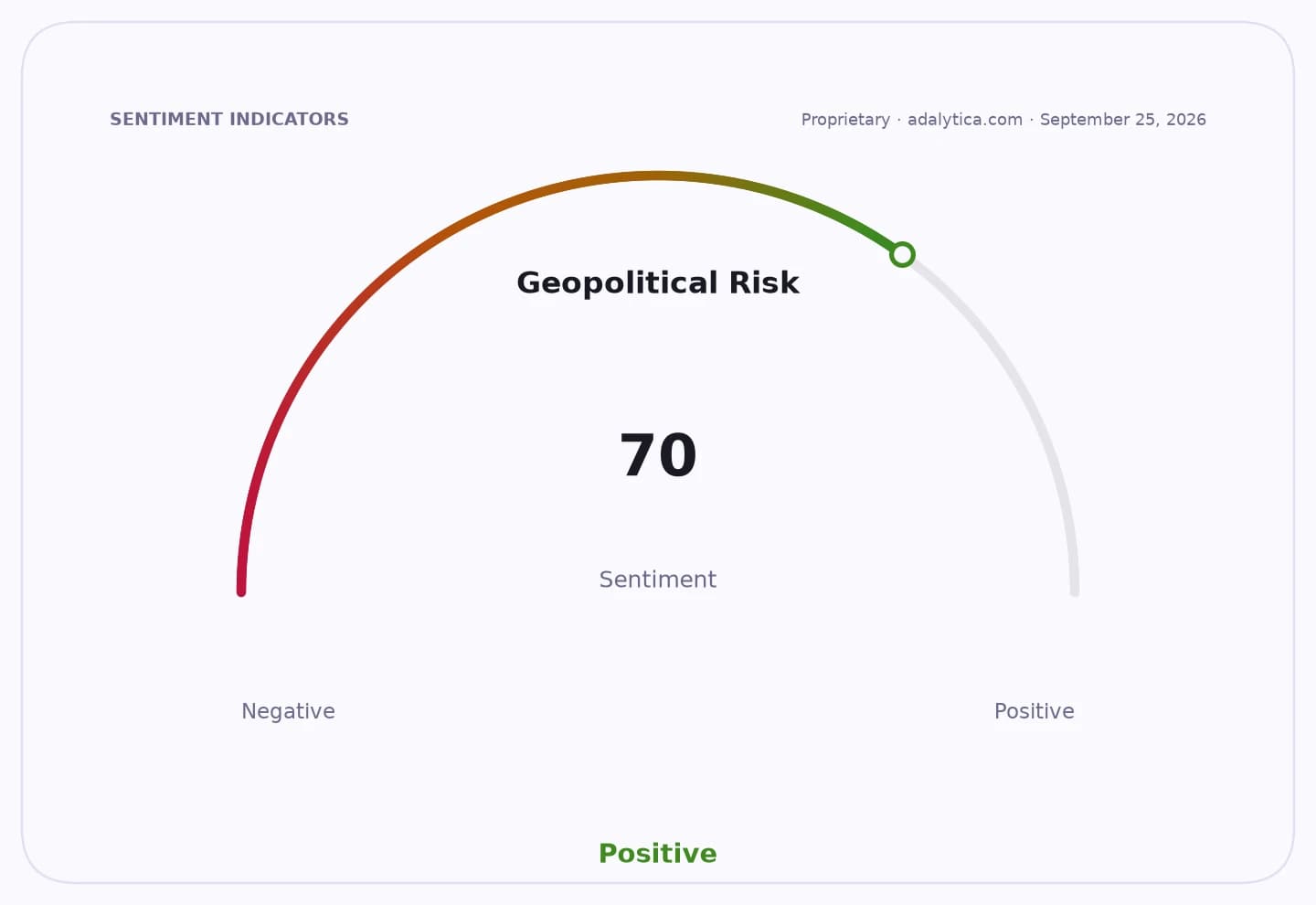
Sentiment IndicatorsⓘProprietary · adalytica.com · July 28, 2026
This is a snapshot — live sentiment, awareness and momentum for 130+ markets update continuously in the dashboard.Open AlphaPulse
Travel + Leisure’s latest trading pattern points to a market that is pricing in that resilience. The stock has risen more than 14% from its July 24 close of 74.05 and is up sharply from 56.68 in October, with the recent move also coming on better technical footing: the 50-day average has risen to 72.27 and the 200-day average to 69.09, while RSI at 64.5 suggests momentum remains positive but not yet stretched. MACD is modestly positive, reinforcing the view that the uptrend has stabilized after earlier volatility.
The fundamental story behind that move is more important than the chart. In its latest quarterly filing, Travel + Leisure said revenue growth was driven by higher tours and volume per guest, or VPGs, while adjusted EBITDA also benefited from cost savings tied to lower maintenance fees on unsold vacation ownership interests after resort closures under its optimization initiative. That combination is attractive to investors because it shows both demand and operating discipline, two levers that can offset a tougher consumer environment.
The broader industry backdrop remains mixed. The tourism sector is still being shaped by inflation-sensitive travelers, geopolitical and economic disruptions, and a continued debate over whether destination taxes and rising local prices deter demand. But major events and heritage tourism continue to support activity, and that helps explain why companies linked to leisure travel can outperform even when consumers publicly complain about affordability in places such as Latvia or Poland.
For Travel + Leisure, the bull case is that consumers keep trading down within travel rather than out of it, preserving occupancy and supporting pricing. The bear case is that the current strength reflects late-cycle spending and that price resistance eventually catches up, especially if higher local costs curb discretionary trips. Investors will be watching whether volume per guest can keep rising without forcing heavier discounting, and whether the company can sustain margin gains as the summer season progresses.
| Entity | Gains | Losses |
|---|---|---|
| Travel + Leisure Co. | ▲Higher tours and VPGs | ▼Price-sensitive travelers |
| Resort operators | ▲Better pricing power | ▼Consumers facing inflation |
| Tourism destinations with strong brand pull | ▲Steadier arrivals | ▼Budget destinations under pressure |
| Short sellers | ▲Less momentum risk | ▼Uptrend and margin resilience |