The US Treasury has again extended the license allowing the sale of Lukoil assets, a sign that Washington is still trying to manage the unwind of Russian oil exposure without triggering a disorderly disruption to energy markets or stranded assets for potential buyers.
Treasury Extends Lukoil Asset Sale License Again
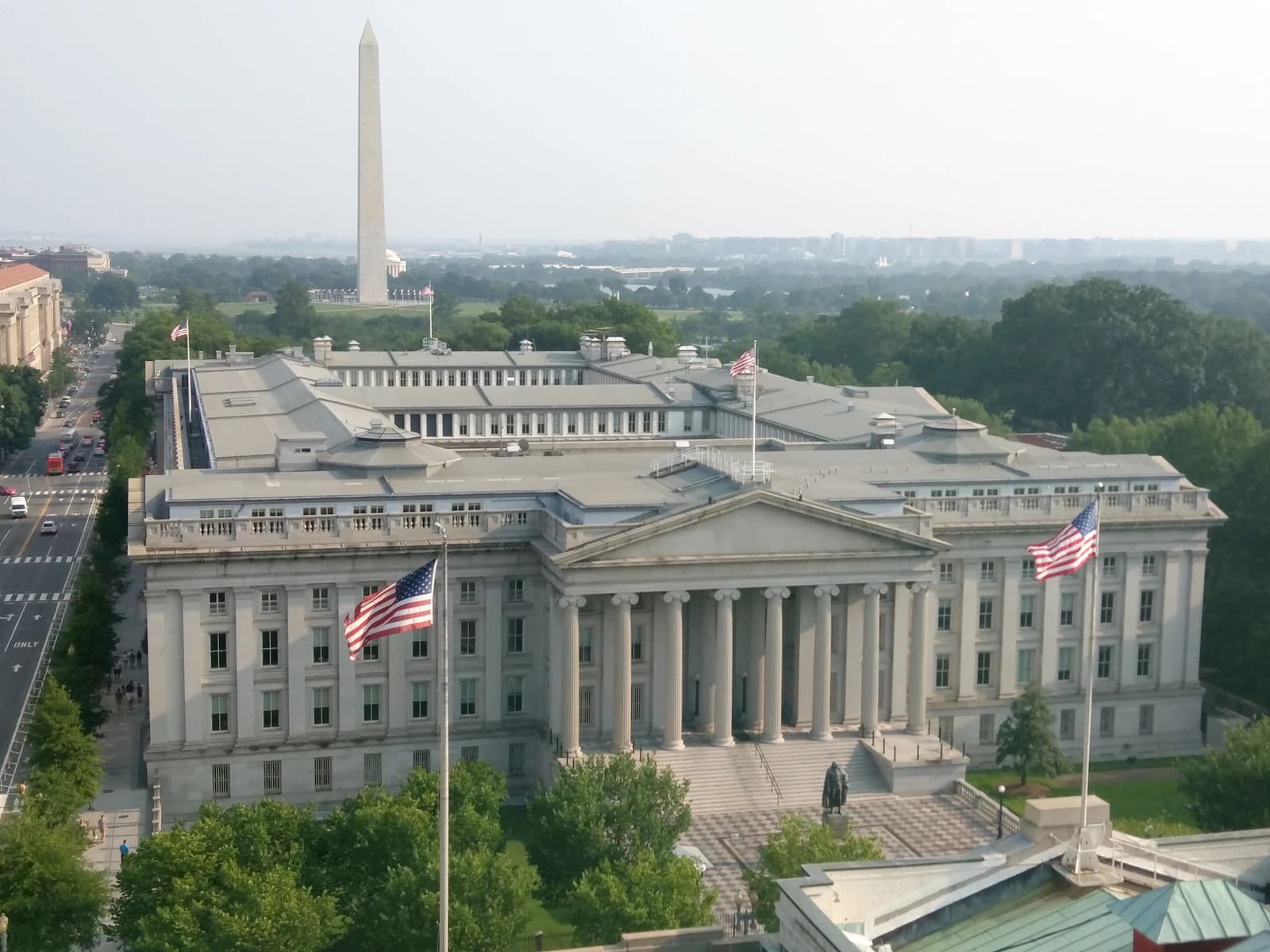
The extension matters because Lukoil sits at the intersection of sanctions policy, global oil supply and the valuation of cross-border energy assets. By giving more time for a sale, Treasury is signaling that it wants an orderly transfer of ownership rather than a forced liquidation, while keeping pressure on Russian companies and limiting the scope for sanctioned capital to move through the system. For investors, that keeps alive the possibility that assets tied to one of Russia’s largest oil groups can still be re-priced and potentially rescued from a sanctions discount.
Sentiment IndicatorsⓘProprietary · adalytica.com · July 25, 2026
This is a snapshot — live sentiment, awareness and momentum for 130+ markets update continuously in the dashboard.Open AlphaPulse
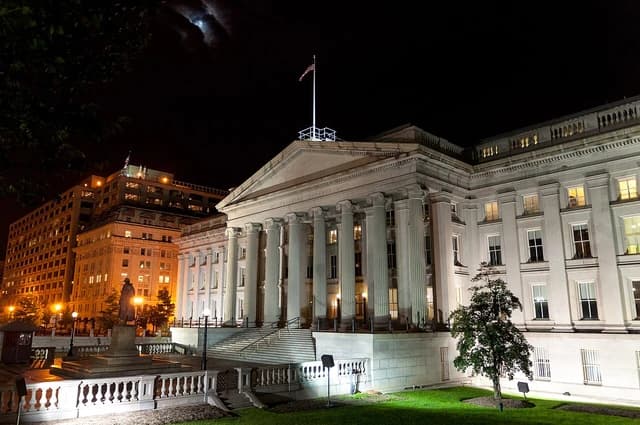
The move comes as Western governments sharpen enforcement against Russia’s energy network. The European Union has approved its 21st sanctions package, targeting banks, oil shipments and the so-called shadow fleet used to move crude outside the normal trading system. That broader campaign raises the cost of doing business for Russian producers and their counterparties, and it narrows the exit routes for assets that may have to be sold into a restricted buyer universe. Treasury’s repeated extension suggests policymakers are aware that abrupt deadlines can destroy value and complicate compliance, even as the strategic aim remains to choke off Russian energy revenues.
For the oil market, the effect is less about immediate barrels than about the structure of trade. A forced sale or sudden asset freeze could have disrupted production, logistics or financing at a time when geopolitical risk is already elevated from Russia’s war in Ukraine, tensions in the Red Sea and renewed US pressure on Iran. The extension therefore reduces one source of near-term friction, even as the underlying sanctions regime continues to weigh on Russian supply chains and shipping patterns.
Investors are likely to view the decision through two lenses. The bullish case is that an extended timetable improves the odds of a value-preserving transaction, which could eventually unlock proceeds for sellers and create opportunities for sanctioned-asset specialists, refiners or trading firms willing to navigate the rules. The bearish case is that each delay underscores how difficult it is to find clean buyers, how wide the sanctions discount remains, and how much headline risk persists around any deal linked to Russia’s energy sector.
That tension is showing up across energy markets. US energy equities, tracked by the XLE ETF, have stayed firm and recently traded well above their 50-day and 200-day moving averages, reflecting a market still willing to price in geopolitical risk premia. Oil itself has also been volatile, with technical readings on USO indicating an overbought market after a sharp rally. Against that backdrop, any policy that helps prevent a disorderly Lukoil asset sale may support stability in physical markets, even if it does little to ease the broader sanctions squeeze on Russian crude.
The key question now is whether Treasury keeps extending the clock long enough to find a sanctioned-compliant buyer, or whether the transaction eventually collides with a tighter enforcement environment. For investors, the license extension is less a resolution than a warning that Russia’s energy assets may remain trapped between policy objectives and market reality for some time.
| Entity | Gains | Losses |
|---|---|---|
| Potential buyers | ▲More time to negotiate | ▼Uncertainty persists |
| Lukoil | ▲Better chance of orderly sale | ▼Asset value still discounted |
| US Treasury | ▲Controlled unwind | ▼Longer enforcement burden |
| Russian oil trade | ▲Reduced immediate disruption | ▼Sanctions pressure intensifies |




