Treasury funding shortfalls, not ministry inefficiency, are the real reason education capitation is being delayed, and that matters because the bottleneck is now fiscal, not administrative.
Treasury shortfalls delay education funding
Education Cabinet Secretary Ogamba’s message is important for one simple reason: it shifts the debate from process to solvency. If the ministry is requesting funds it does not receive in full each financial year, then the crisis in schools is a budget execution problem that can’t be fixed with better paperwork. It requires either higher revenue, reprioritized spending or more borrowing — all of which have knock-on effects for a government already under pressure to fund basic services, manage debt service and keep public sentiment from deteriorating further.
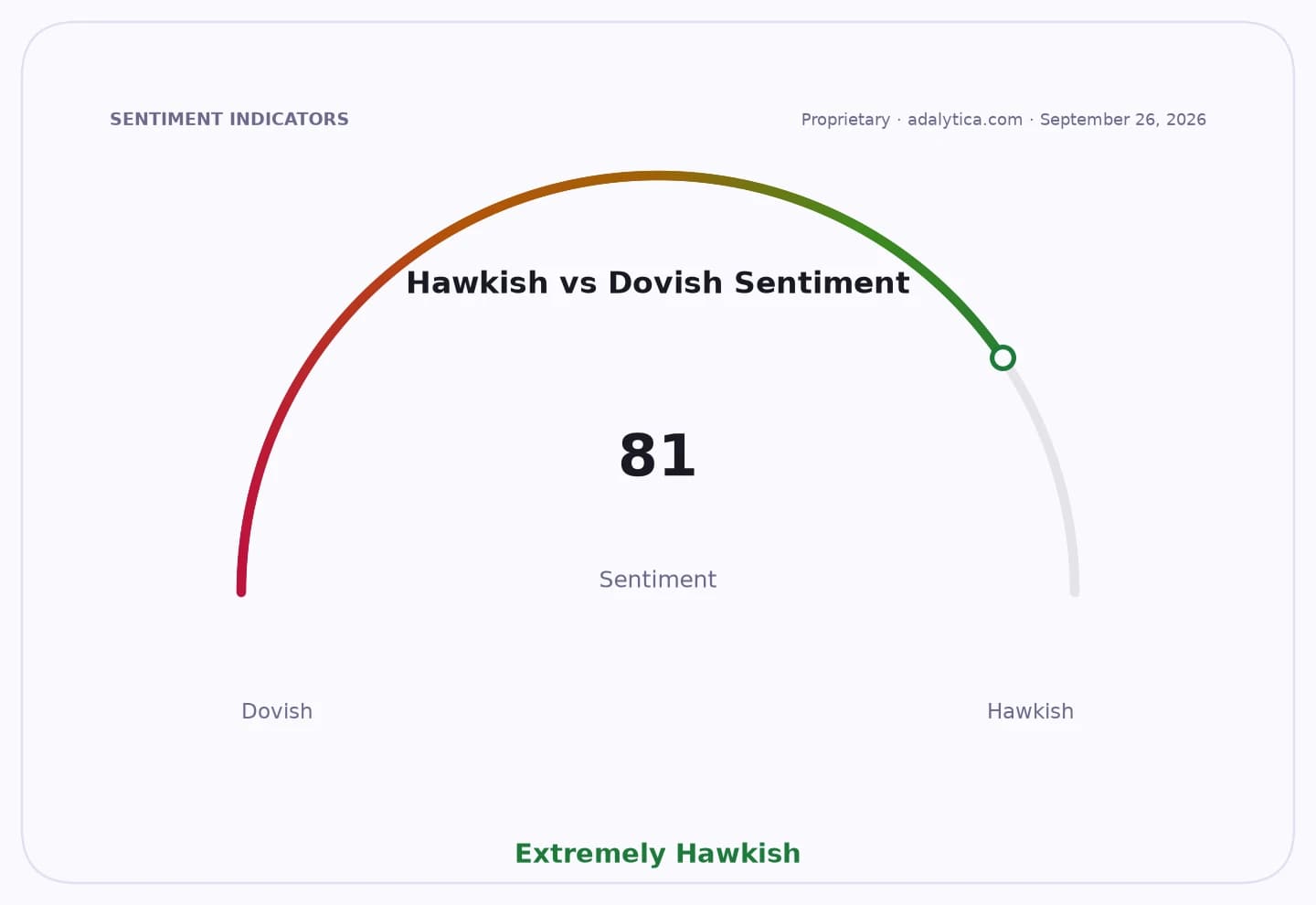
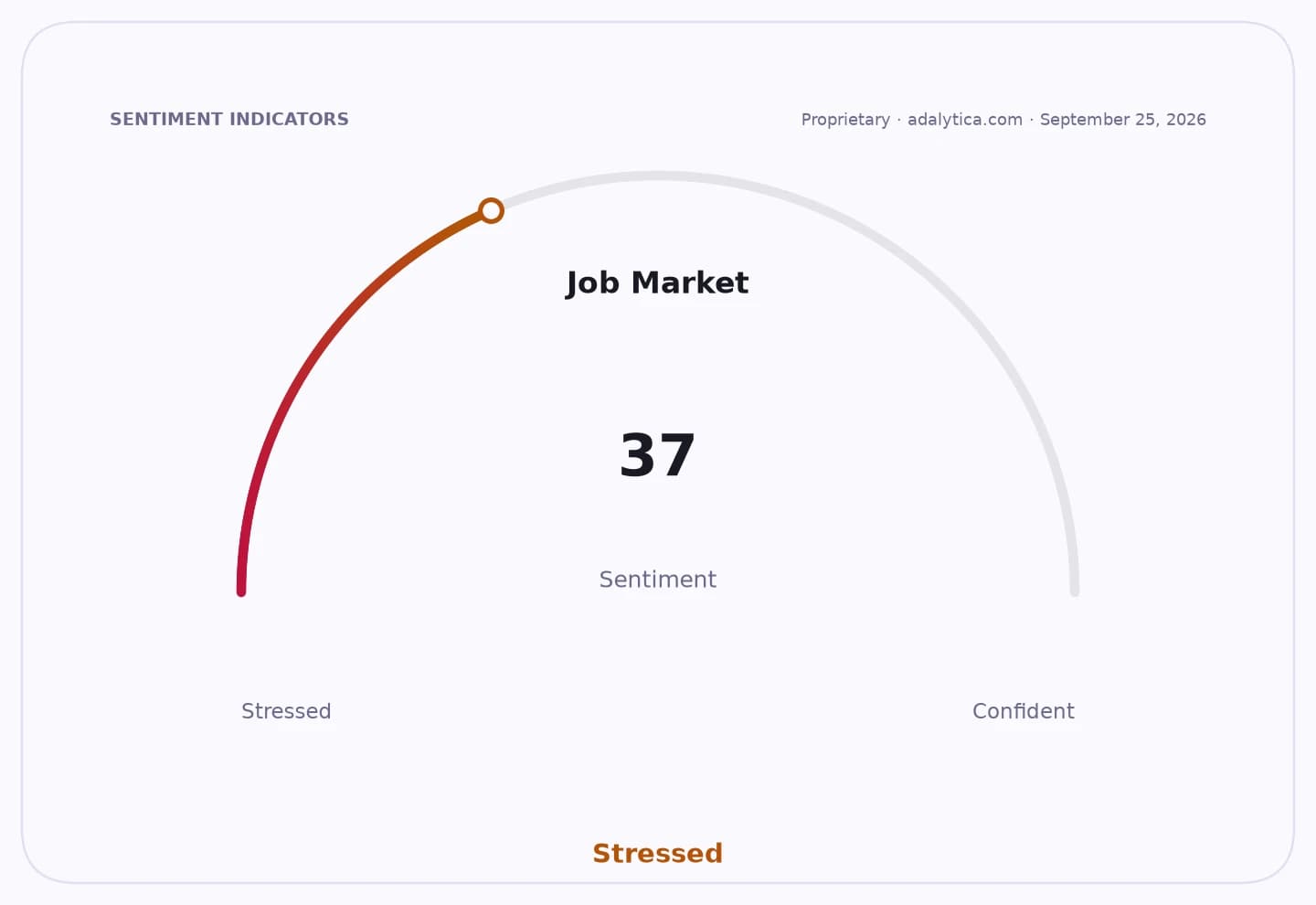
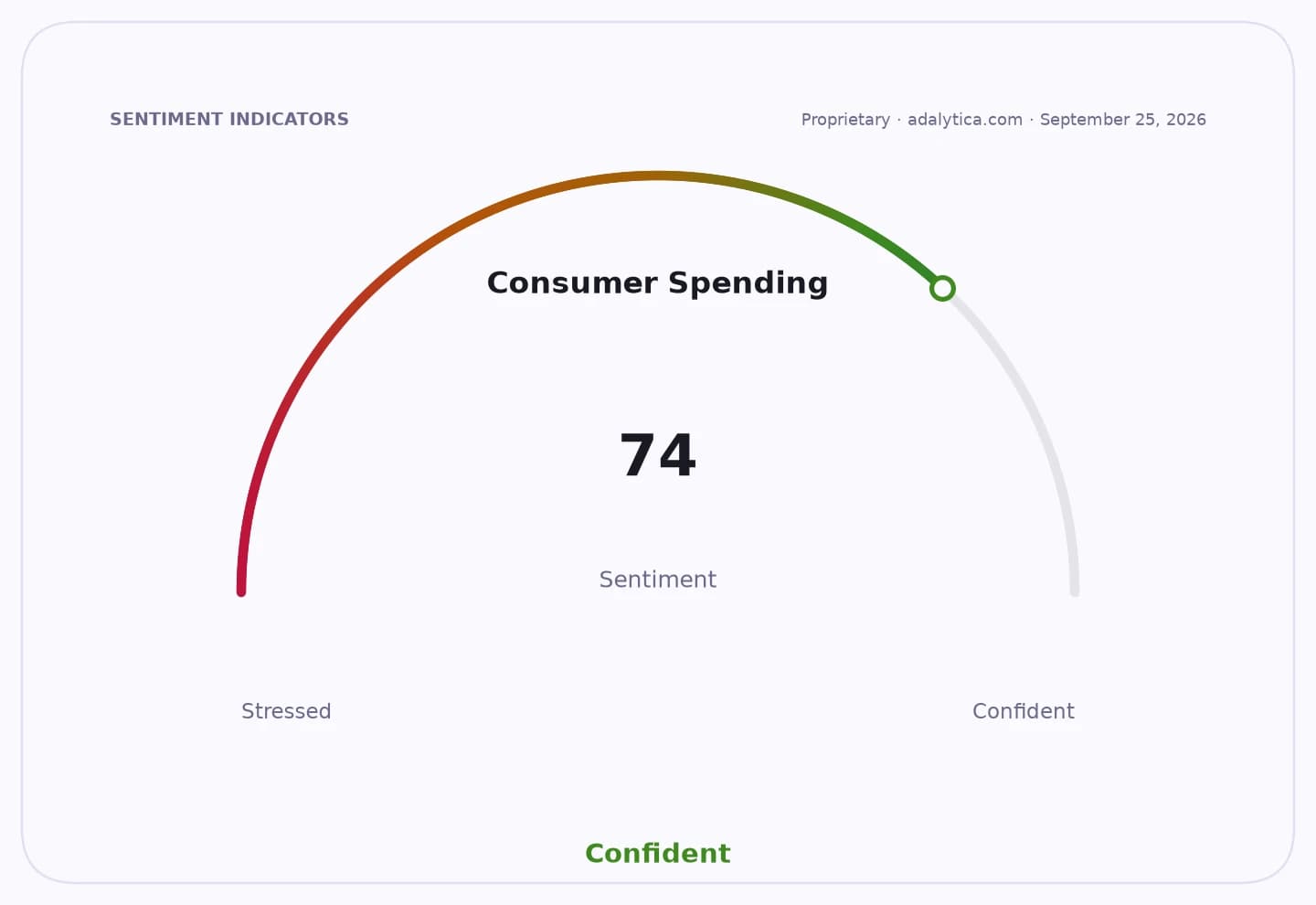
Sentiment IndicatorsⓘProprietary · adalytica.com · July 15, 2026
This is a snapshot — live sentiment, awareness and momentum for 130+ markets update continuously in the dashboard.Open AlphaPulse
For investors, that is the part of the story the market often misses. Delayed capitation does not just disrupt classrooms; it weakens the delivery of an entire education pipeline that supports labor productivity, digital adoption and long-run consumption growth. It also increases the risk of knock-on financing stress across related institutions, from exam administrators to student-loan channels and education-linked service providers. When funding becomes intermittent, the sector shifts from a steady public allocation model to a stop-start cashflow story, and that tends to punish the weakest operators first while favoring those with diversified funding, strong balance sheets and exposure to private or hybrid demand.
The broader signal is that fiscal space is tightening at the same time governments are being asked to do more in education, technology training and assessment reform. The market underestimates how often these pressures surface outside of headline deficit numbers. They show up first as payment delays, deferred projects and rising arrears. Over time, they become a drag on human-capital formation and a hidden tax on growth.
That is why this should be read as more than an education-sector complaint. It is a warning that budget strain is starting to bite in a politically sensitive and economically essential area. If Treasury does not close the gap, the next phase is likely to be deeper austerity in discretionary spending, more borrowing pressure or a fresh scramble for supplementary allocations. For investors, the edge lies in positioning for scarcity: favor businesses that can benefit from public-sector funding uncertainty, and be wary of those whose revenue depends on smooth government disbursement.
| Entity | Gains | Losses |
|---|---|---|
| Treasury-priority fiscal hawks | ▲Spending restraint | ▼Education delivery |
| Cash-rich private education providers | ▲Demand for alternatives | ▼Capitation-dependent schools |
| Government lenders / bondholders | ▲More borrowing need | ▼Budget flexibility |
| Students and schools | ▲None | ▼Delayed funding |