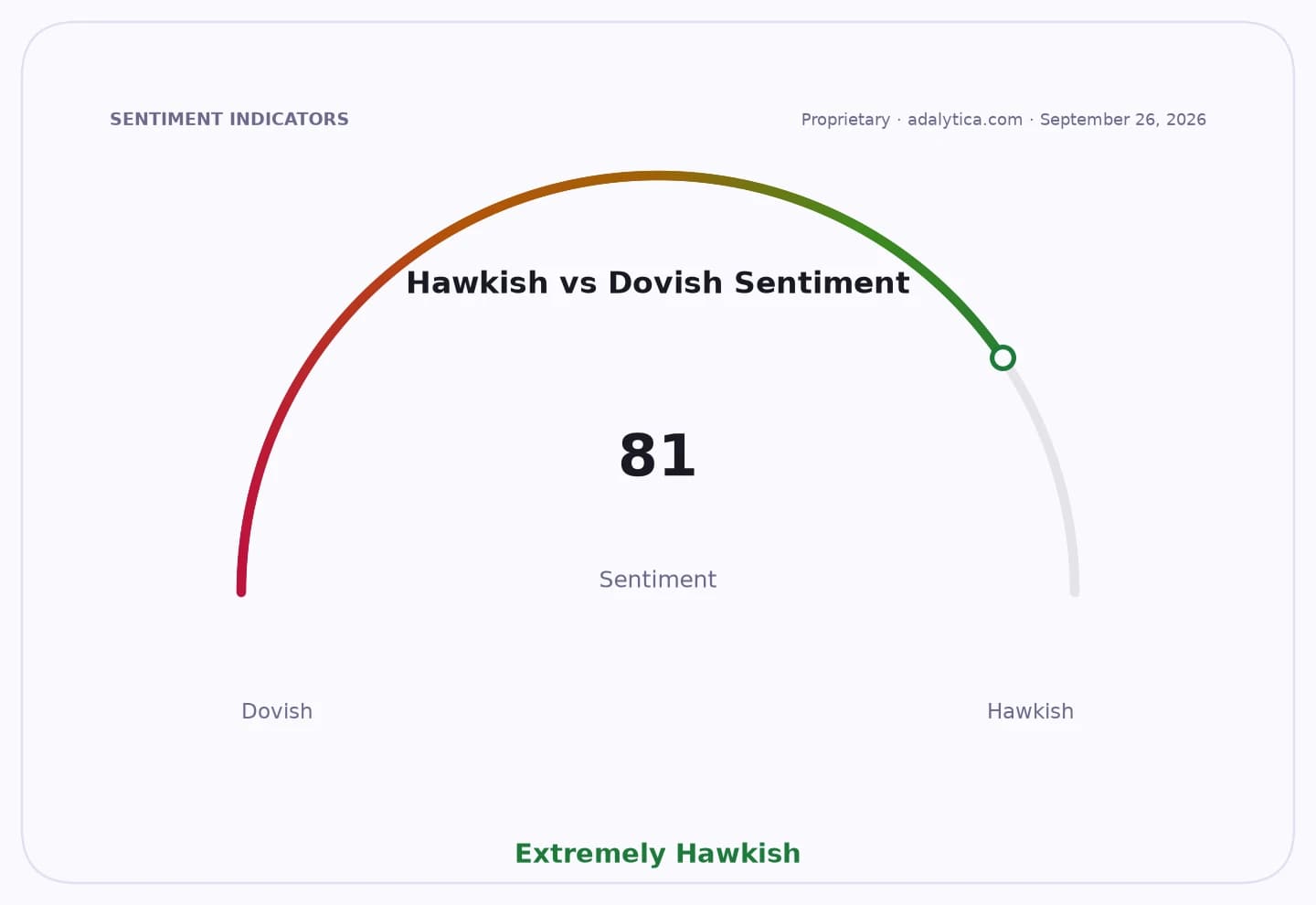
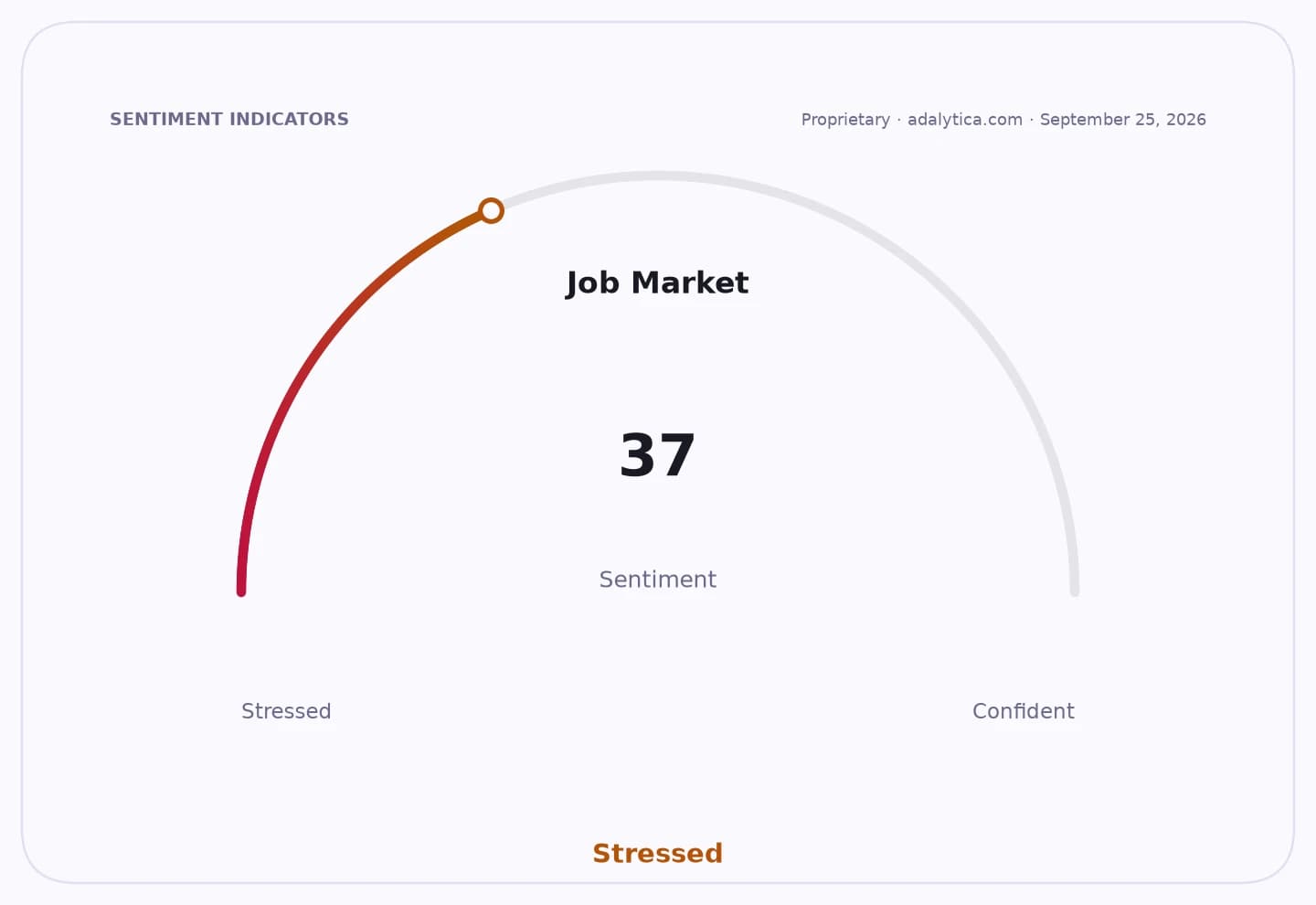
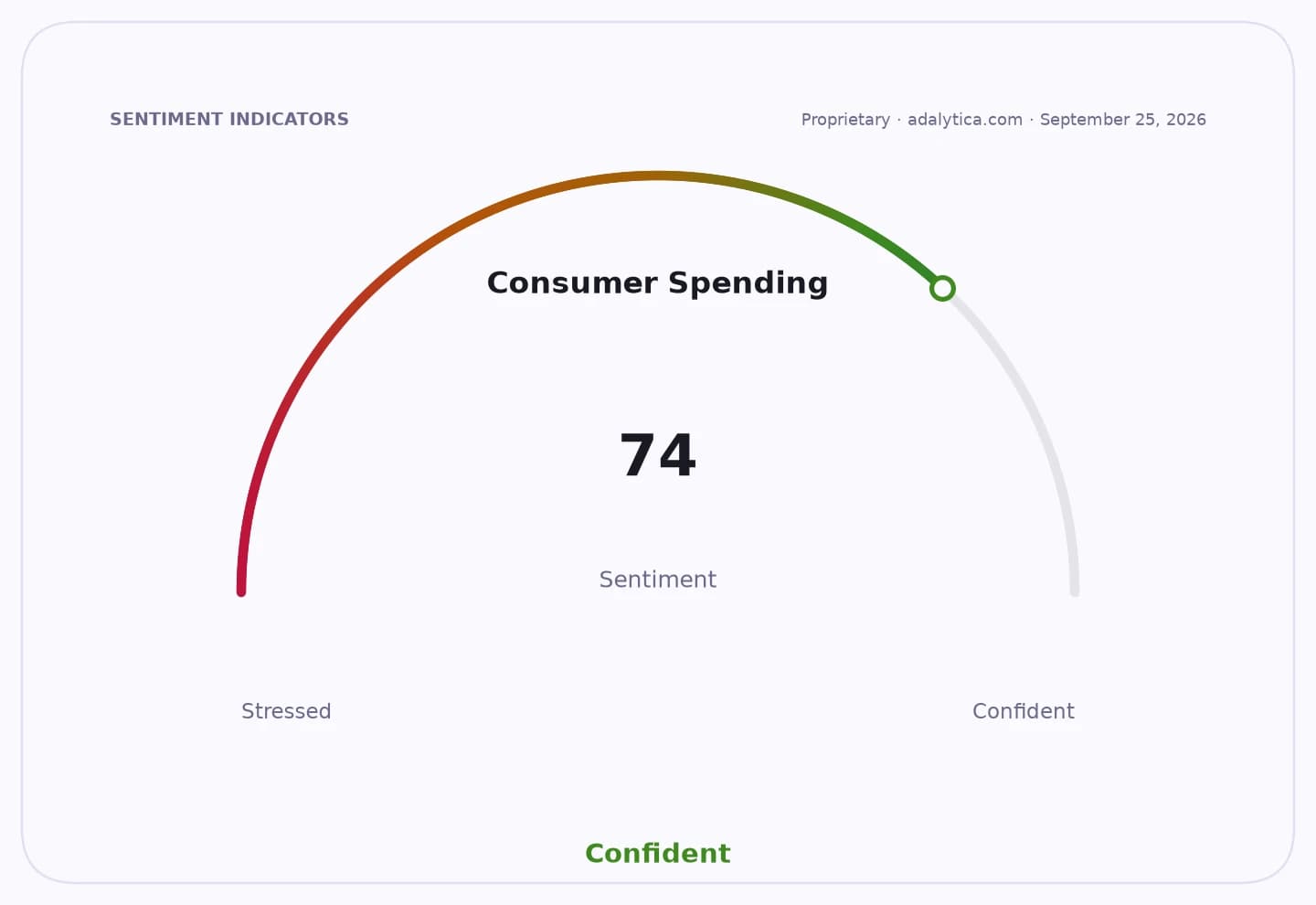
Public finances are getting no relief from borrowing costs, and that is the real test for policymakers trying to keep debt on a sustainable path. With the U.S. 10-year Treasury yield still hovering around 4.7% and the policy rate anchored at 3.63%, governments are financing themselves at levels that keep pressure on deficits even as the labor market cools and growth slows.
Treasury yields keep pressure on government debt

That matters because higher rates do not just affect Wall Street valuations — they raise the cost of rolling over public debt, crowd out fiscal flexibility and make every new issue more expensive. The unemployment rate has eased to 4.1%, suggesting the economy is not in recession, but it is weak enough that authorities cannot count on rapid nominal growth to erode debt ratios. In that environment, progress on debt depends less on headline growth and more on disciplined financing choices.
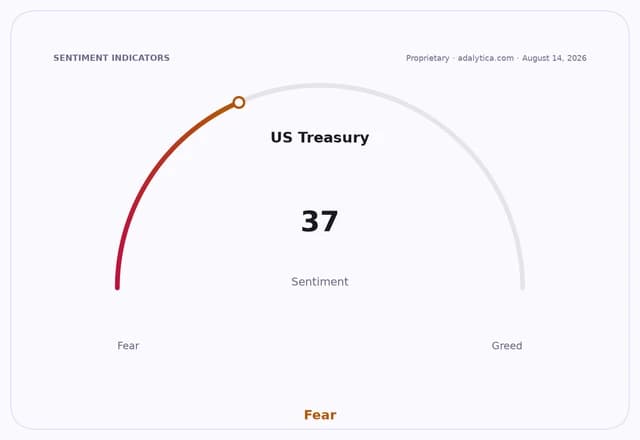
Sentiment IndicatorsⓘProprietary · adalytica.com · August 14, 2026
This is a snapshot — live sentiment, awareness and momentum for 130+ markets update continuously in the dashboard.Open AlphaPulse
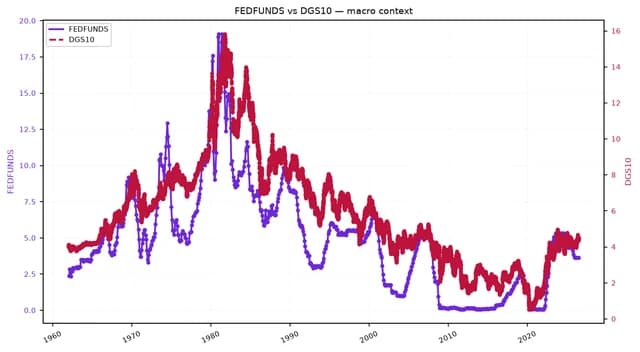
The bond market is still telling the same story. The 10-year yield has barely budged from recent highs, while the iShares 20+ Year Treasury Bond ETF, TLT, remains under pressure near $82, well below its 200-day moving average, a sign investors still demand meaningful compensation for holding long-duration government debt. By contrast, the iShares 7-10 Year Treasury Bond ETF, IEF, has held closer to its moving averages, reflecting demand for intermediate duration while avoiding the most interest-rate-sensitive part of the curve.
For investors, that creates a clear split. Long-dated sovereign debt is still a hard place to hide if fiscal repair remains slow, because the market has not priced in a durable decline in borrowing costs. That is why the premium on duration stays fragile even as the Federal Reserve funds rate has drifted down to 3.63%, with another slight easing implied in the latest forecast. The market is essentially saying monetary policy may loosen modestly, but public debt will not get a free pass.
The bigger narrative is that governments can continue making progress on debt only if they pair restraint with growth that is steady enough to absorb financing costs. Until then, investors should favor shorter and intermediate Treasury exposure over long-duration bets, and keep watching whether fiscal discipline finally begins to outweigh the drag from still-elevated yields.
| Entity | Gains | Losses |
|---|---|---|
| Short/intermediate Treasuries | ▲Relative stability | ▼Less upside than long bonds |
| Long-dated Treasuries | ▲Rate-cut hopes | ▼High duration risk |
| Governments/issuers | ▲Policy flexibility if discipline improves | ▼Higher refinancing costs |
| Taxpayers | ▲Better debt management | ▼More interest burden if yields stay elevated |