Donald Trump’s public backing of President Bola Tinubu’s counter-terrorism campaign gives Nigeria a politically useful boost at a moment when security is once again central to the country’s investment case and its relations with Washington.
Trump Backing Lifts Nigeria Security Narrative
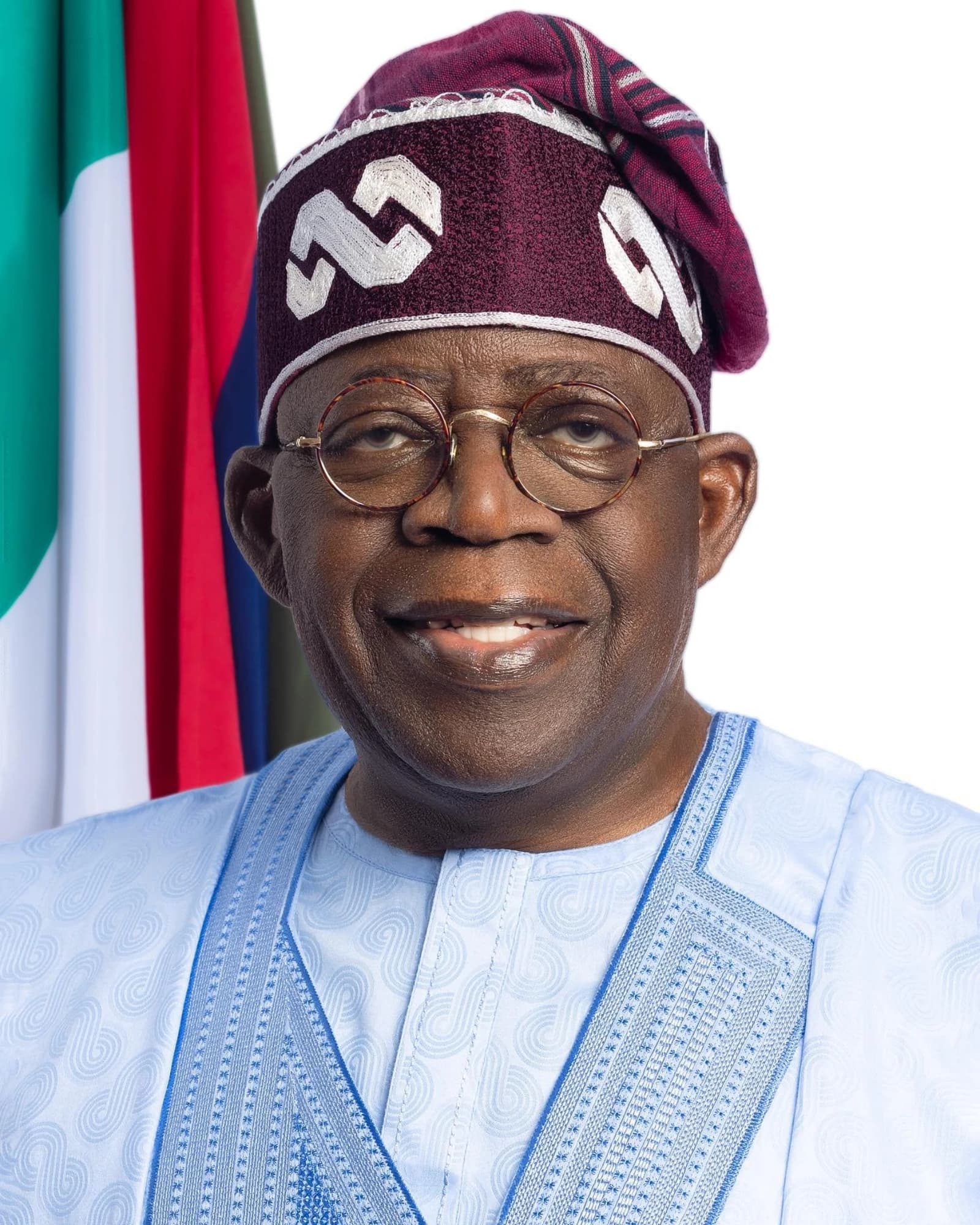
The endorsement matters because it reinforces Tinubu’s effort to present Nigeria as a government taking a more forceful, coordinated approach to terrorism, cybercrime and wider instability. For investors, that is not just diplomatic theater: in a market where security risk feeds directly into sovereign borrowing costs, energy project execution, trade logistics and foreign direct investment decisions, even symbolic US support can help shape perceptions of policy credibility and state capacity.
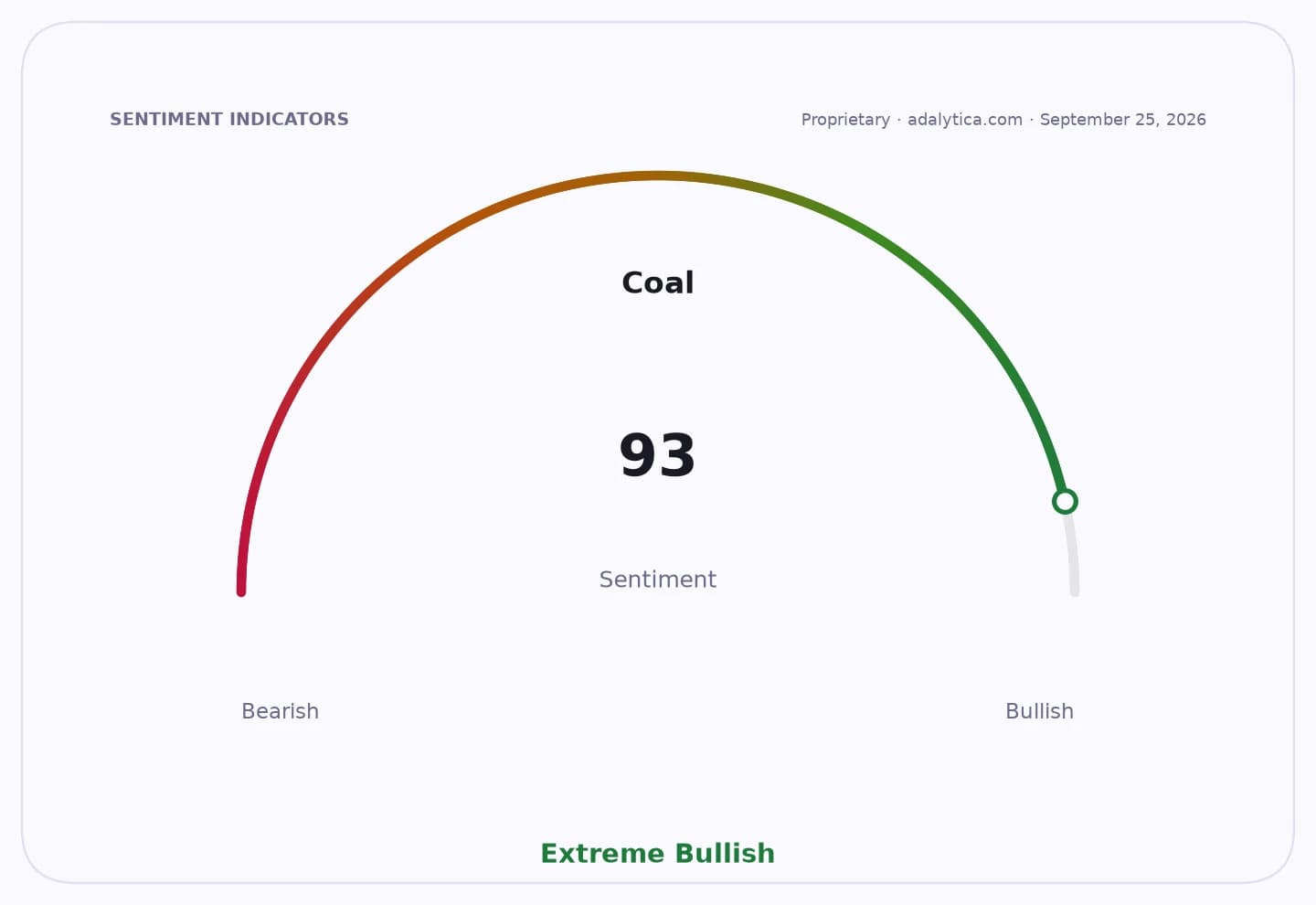
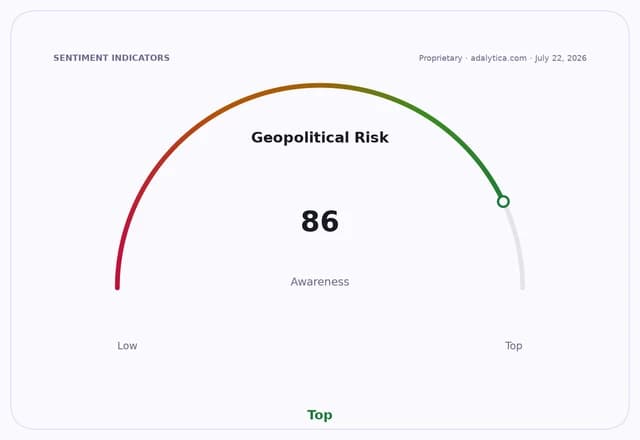
Sentiment IndicatorsⓘProprietary · adalytica.com · July 22, 2026
This is a snapshot — live sentiment, awareness and momentum for 130+ markets update continuously in the dashboard.Open AlphaPulse
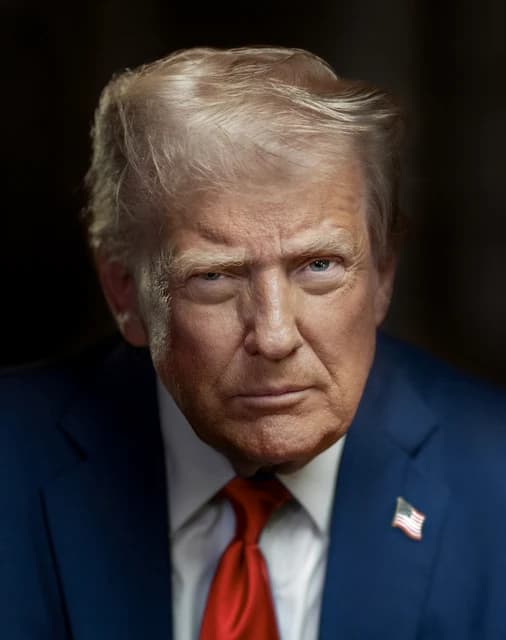
Nigeria has spent much of the past year trying to convince partners that it can contain a widening set of threats without derailing economic reforms. That has included closer security coordination with Germany, the US and the UK, as well as renewed attention to maritime security, cyber fraud and digital threats linked to AI-driven deepfakes. Trump’s praise for Tinubu’s “decisive leadership” strengthens the narrative that Abuja is seeking to move from reactive crisis management toward a more strategic security doctrine.
The timing is important. Global risk appetite around frontier and emerging markets is fragile, and Adalytica’s Global Stability Sentiment shows extreme fear even as awareness remains elevated, a sign that geopolitical risk is dominating investor attention. Nigeria itself is still trying to persuade lenders and portfolio investors that domestic security pressures will not overwhelm macro stabilization efforts. Any perception that the presidency is gaining stronger US political cover can support that effort at the margin.
That said, the market impact is indirect unless it is followed by concrete cooperation on intelligence, equipment, border control or counter-extremism financing. Investors will care less about the optics of a US endorsement than about whether it translates into lower disruption risk in the north, safer oil and infrastructure corridors, and better protection for digital payments and telecom networks. Those are the channels through which security reform affects growth, fiscal revenue and asset prices.
The bull case is that stronger external backing helps Tinubu consolidate a security strategy that reduces uncertainty and improves the investment climate. The bear case is that high-profile praise changes little on the ground if Nigeria cannot convert diplomatic support into operational gains, leaving markets to price in persistent risk premia.
For investors, the key question is whether this becomes a one-off political statement or part of a broader security reset that lowers Nigeria’s structural risk profile. The answer will show up in the durability of reform momentum, the response of foreign partners, and whether violence and cybercrime begin to ease enough to matter for growth and capital flows.
| Entity | Gains | Losses |
|---|---|---|
| Tinubu administration | ▲Political legitimacy | ▼Pressure to deliver results |
| Nigerian security agencies | ▲Diplomatic backing | ▼Higher accountability |
| US and allies | ▲Stronger regional partner | ▼Exposure to expectations |
| Investors | ▲Lower risk premium potential | ▼Continued execution risk |