The Trump administration is trying to sell Americans on a “golden age,” but the numbers that matter to households and investors still point to an economy that is growing, yet leaving too many people behind.
Trump Economy: Wages, Inflation, and Market Risks

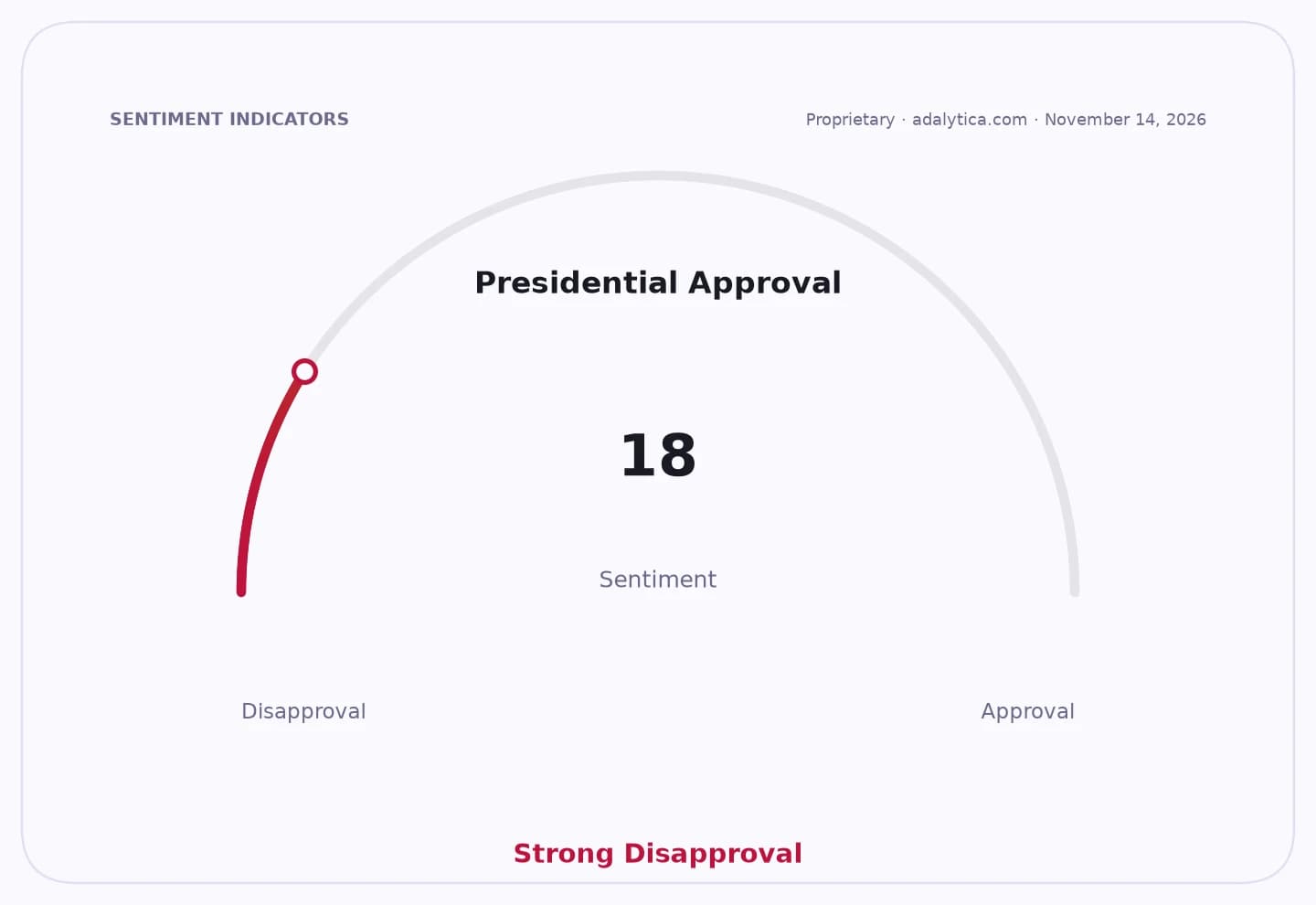
That gap between message and reality is the real story. Politically, it helps explain why voters have remained skeptical. Economically, it matters because sentiment turns into spending, hiring and risk appetite. And for investors, it means the market cannot rely on slogans when wages are barely keeping pace with inflation, credit remains tight and the broad equity tape has become more fragile.
Sentiment Indicators
The administration can point to one genuine success: the southern border is far tighter than it was a year ago. Border Patrol encounters in October were 11,443, almost unchanged from 11,703 a year earlier and far below the 106,316 seen in October 2024. That is a meaningful policy shift and a real achievement. But it is not enough to carry the whole “golden age” argument, especially when the rest of the economic picture looks more mixed than triumphant.
Wages are a good example. Nominal average weekly earnings rose 3.6% over the past year, but inflation ran at 3.7%, so workers are still losing ground in real terms. The inflation backdrop is not benign either. Gas prices are nearly 37% higher than a year ago, software is up 25.9%, postage and delivery costs have jumped almost 16%, and ground beef is still more expensive. Even with eggs sharply cheaper, the everyday consumer basket has not become the kind of relief story the White House wants.
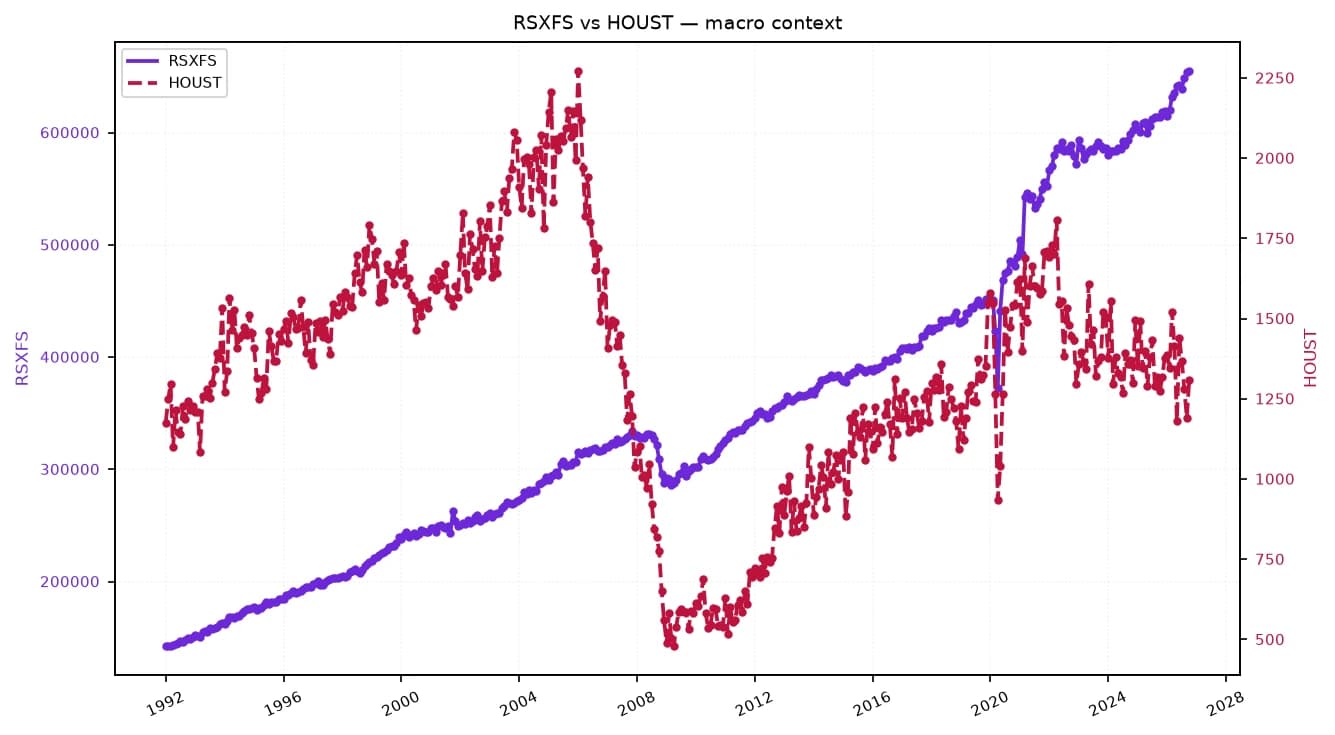
GDP vs UNRATE — macro contextadalytica.com
Explore this data interactively — full history, time series and cross-market comparisons.
For investors, that matters because an economy built on sticky prices and modest real wage gains is harder to sustain than one driven by broad-based purchasing power. High mortgage rates at 7.28%, record credit card debt and a low-hire, low-fire labor market all suggest a consumer that is still stretched. That is not the backdrop for a roaring cycle of discretionary spending or easy corporate margin expansion.
Markets are telling a similar story. The S&P 500 is still up about 10% for the year, but it has retreated from its October peak, with sentiment around the index flashing extreme fear in Adalytica’s trade signals. That does not mean investors should rush for the exits. It does mean the market is more selective now, and the days of assuming every policy headline translates into automatic upside are over. If the administration’s economic narrative is losing credibility, asset prices can lose some of their support too.
Tariffs remain one of the biggest reasons. The White House has pitched them as a tool to revive manufacturing and punish foreign producers, but manufacturing employment has slipped slightly since January 2025, and the Tax Foundation says tariffs amount to an average $820 tax increase per U.S. household. That is a direct hit to disposable income. It also undercuts the claim that foreign countries are footing the bill.
The same tension shows up in energy. Gasoline has come down from late-September levels, but it is still well above where it stood a year or two ago. In other words, the administration may be catching a temporary break from seasonality, not delivering a structural cost-of-living victory. That distinction matters because consumers respond to what they pay at the pump and at the grocery store, not to a branding campaign.
There is also a broader policy risk hanging over the market: the White House’s increasingly Russia-friendly posture. Any move that weakens support for Ukraine could deepen geopolitical uncertainty in Europe, complicate sanctions policy and add another layer of noise for defense, energy and currency markets. Investors do not need to take a view on every diplomatic twist to know that geopolitical instability rarely supports a clean “risk-on” narrative for long.
For long-term investors, the takeaway is simple. Real economic progress matters more than political language, and the current evidence suggests the U.S. economy is resilient but not euphoric. That usually favors discipline over drama: stay diversified, focus on companies with pricing power and strong free cash flow, and avoid confusing a good story with a durable one. The “golden age” line may play well on social media, but the market will keep grading the administration on wages, inflation, growth and credibility. Worth watching, but not worth chasing.
| Entity | Gains | Losses |
|---|---|---|
| Trump administration | ▲Border-security wins | ▼Credibility on the economy |
| U.S. consumers | ▲Lower border crossings | ▼Real wages, purchasing power |
| Investors in pricing-power stocks | ▲Sticky prices, selective winners | ▼Broad market complacency |
| Tariff critics / households | ▲Clearer cost burden | ▼Higher household taxes |