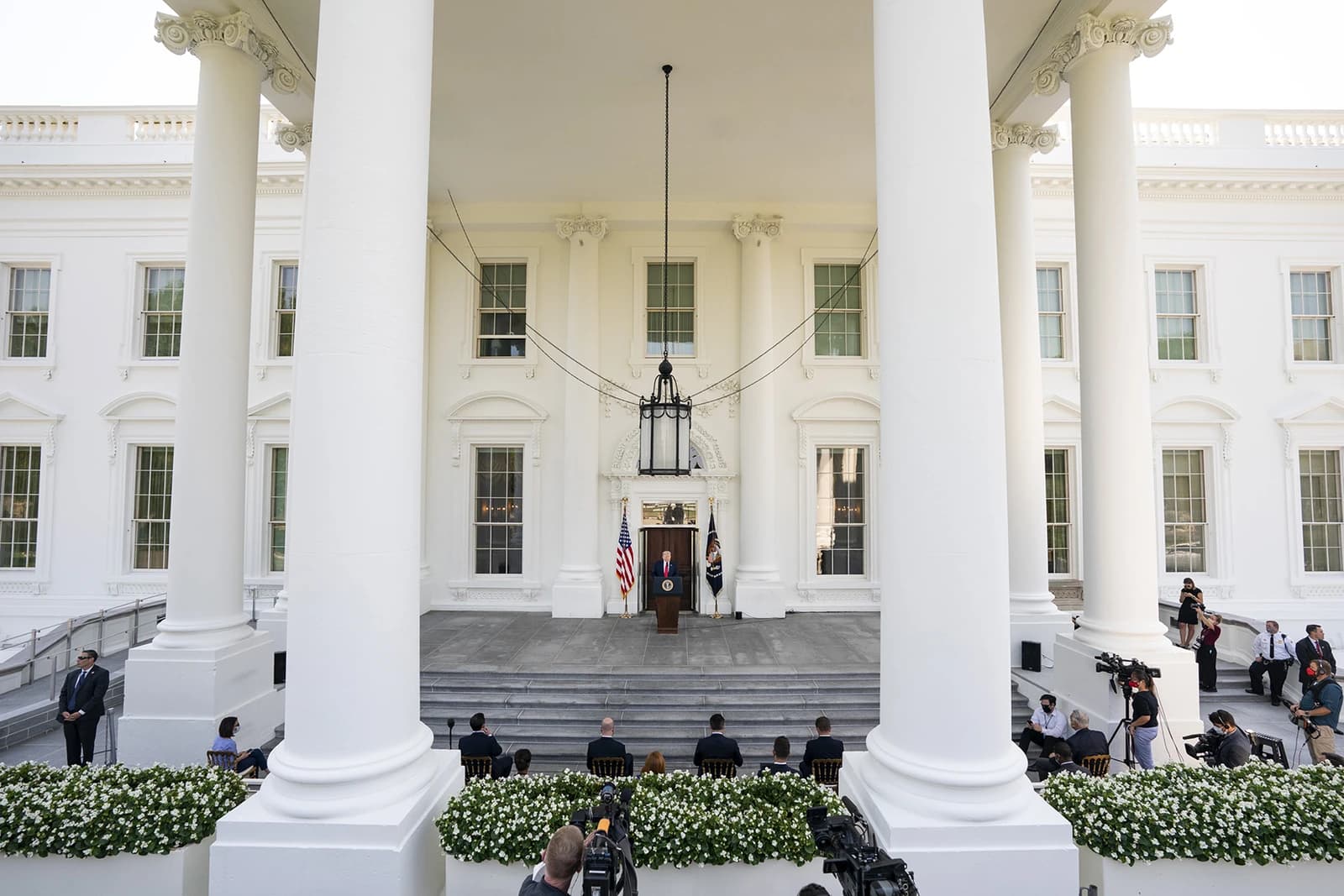
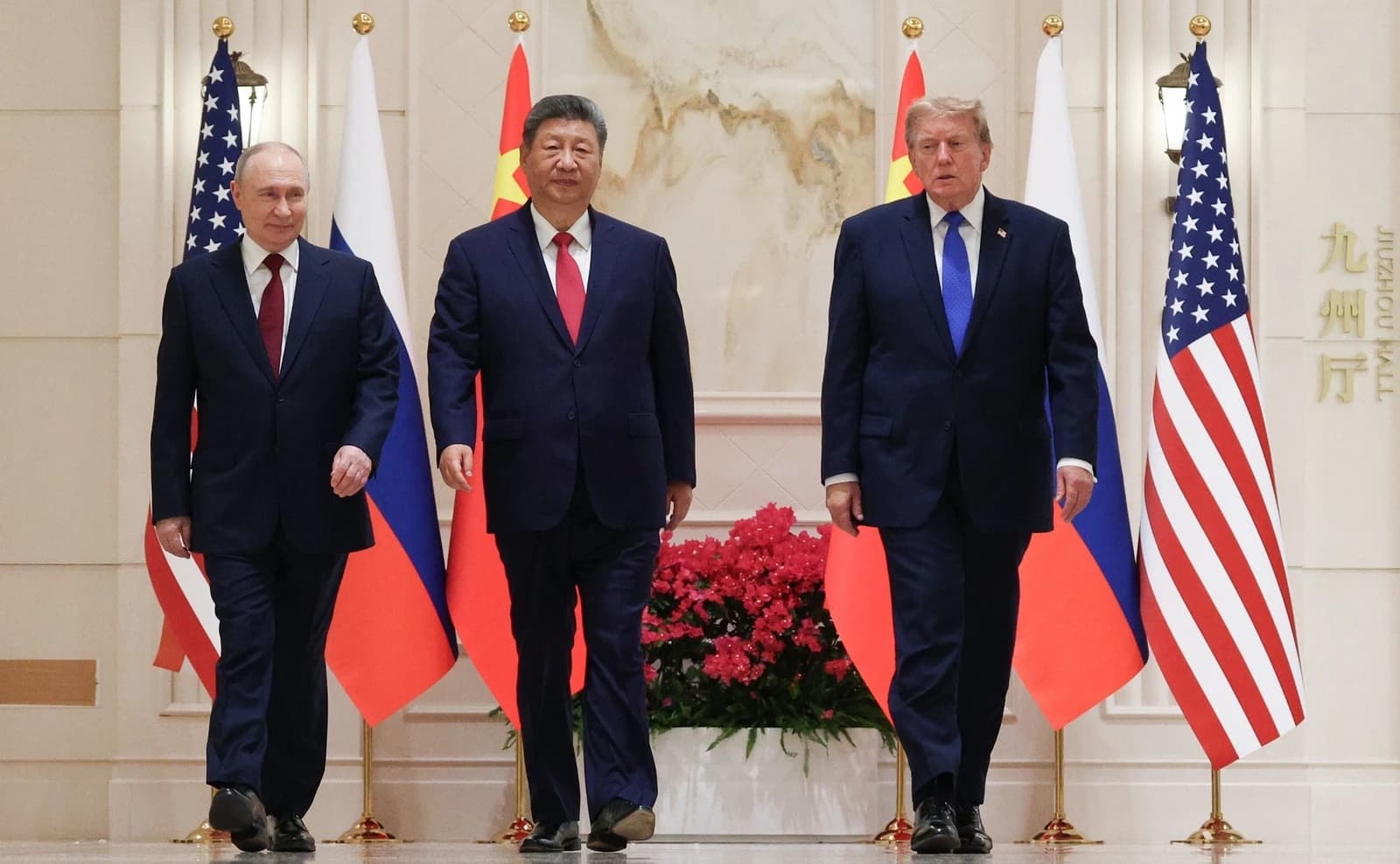
The Trump White House is moving back toward a harder-line MAGA agenda, and markets are starting to reflect the risk that tighter immigration, trade and regulatory policies could slow growth while keeping volatility elevated.
Trump policy shift lifts dollar and pressures stocks
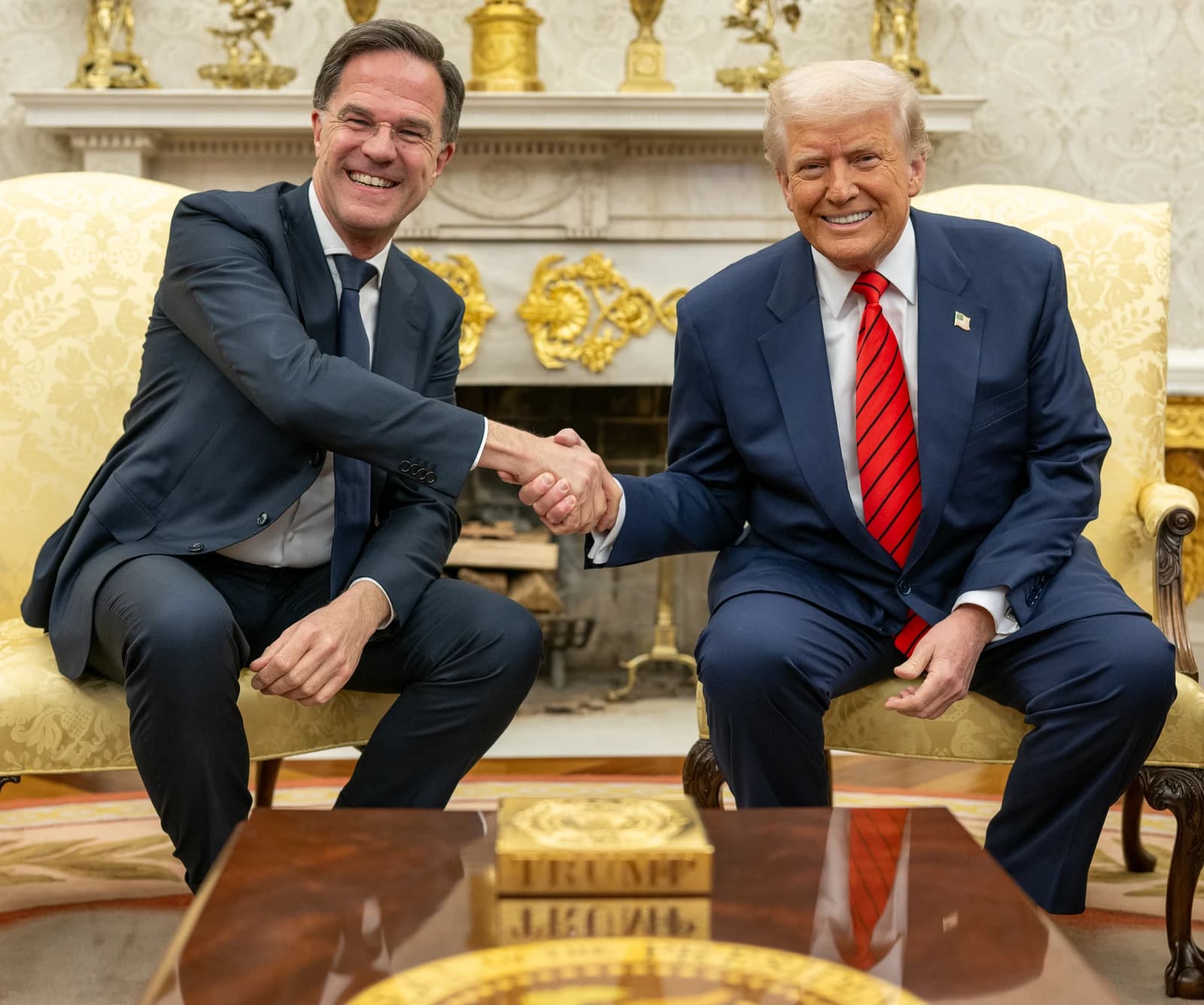
That shift matters because a more restrictive policy mix can raise costs for companies, complicate labor supply and feed a more uneven outlook for U.S. assets. The Bloomberg/Reuters-style takeaway for investors is that the political direction is turning less about compromise and more about control, with the economic effects likely to show up in hiring, margins, trade flows and risk appetite before they appear in headline GDP data.
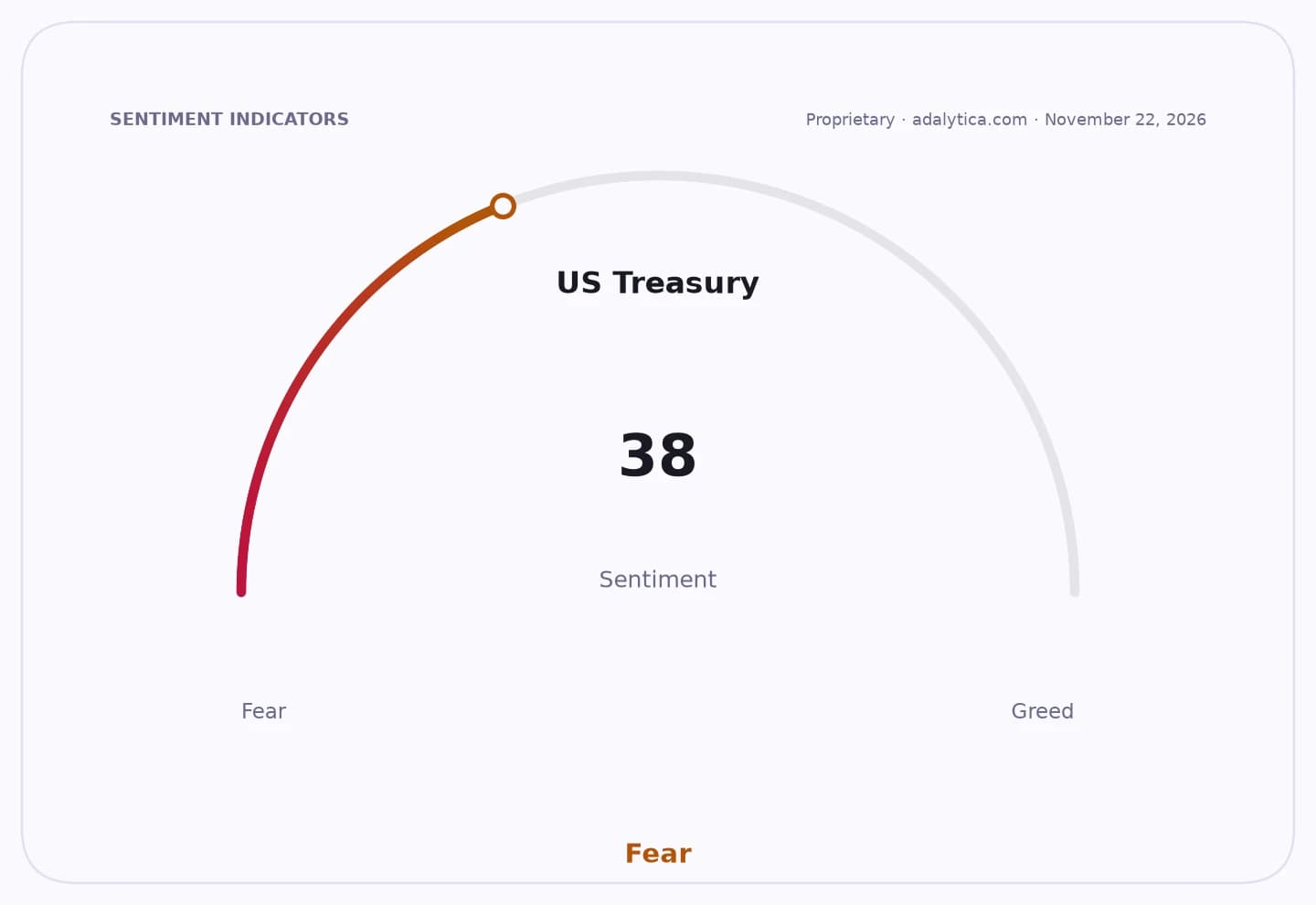
Sentiment Indicators
Geopolitical Risk
One early read is in credit. The spread on the ICE BofA U.S. high-yield index narrowed to 3.178 percentage points on Nov. 16 from 3.23 on Nov. 13 and 3.32 on Nov. 4, but it remains well above the tighter levels seen earlier this year, suggesting investors are still demanding a premium for policy and macro uncertainty.
Treasury curve signals are also shifting. The 10-year minus 2-year yield spread widened to 29 basis points on Nov. 16 from 24 basis points on Nov. 12, a move that points to a market that is less worried about an imminent recession and more focused on the path of growth, inflation and Federal Reserve policy under a more interventionist political backdrop.
Equities have been more cautious. The SPDR S&P 500 ETF Trust fell to $739.95 on Nov. 16 from $766.81 on Nov. 4, while the Industrial Select Sector SPDR Fund slid to $165.66 from $169.44 over the same stretch, reflecting pressure on cyclical shares that are most exposed to tariffs, domestic cost inflation and policy-driven swings in confidence.
The dollar is firmer, with the Invesco DB U.S. Dollar Index Bullish Fund rising to 29.56 on Nov. 16 from 28.97 on Nov. 9. A stronger greenback usually helps importers but hurts U.S. multinationals, especially if policy tightening is paired with a weaker global trade backdrop.
Adalytica’s U.S. Congressional Gridlock Sentiment gauge jumped to 71, or “Greed,” on Nov. 17, while its Global Stability Sentiment index fell to 4, or “Extreme Fear,” underscoring how quickly investors are shifting between hopes for policy clarity and fears of renewed disruption.
The next market test is whether the administration translates the MAGA reset into tariffs, immigration limits, budget fights or regulatory changes that hit profits and hiring. If it does, investors are likely to keep favoring cash-rich defensives and dollar exposure over industrials, small caps and exporters.
| Entity | Gains | Losses |
|---|---|---|
| Dollar bulls | ▲Stronger USD | ▼U.S. exporters |
| Defensive stocks | ▲Policy shelter | ▼Cyclicals |
| Trump/MAGA base | ▲Policy control | ▼Trade liberals |
| Consumers/importers | ▲Lower import costs | ▼Domestic wage pressure |