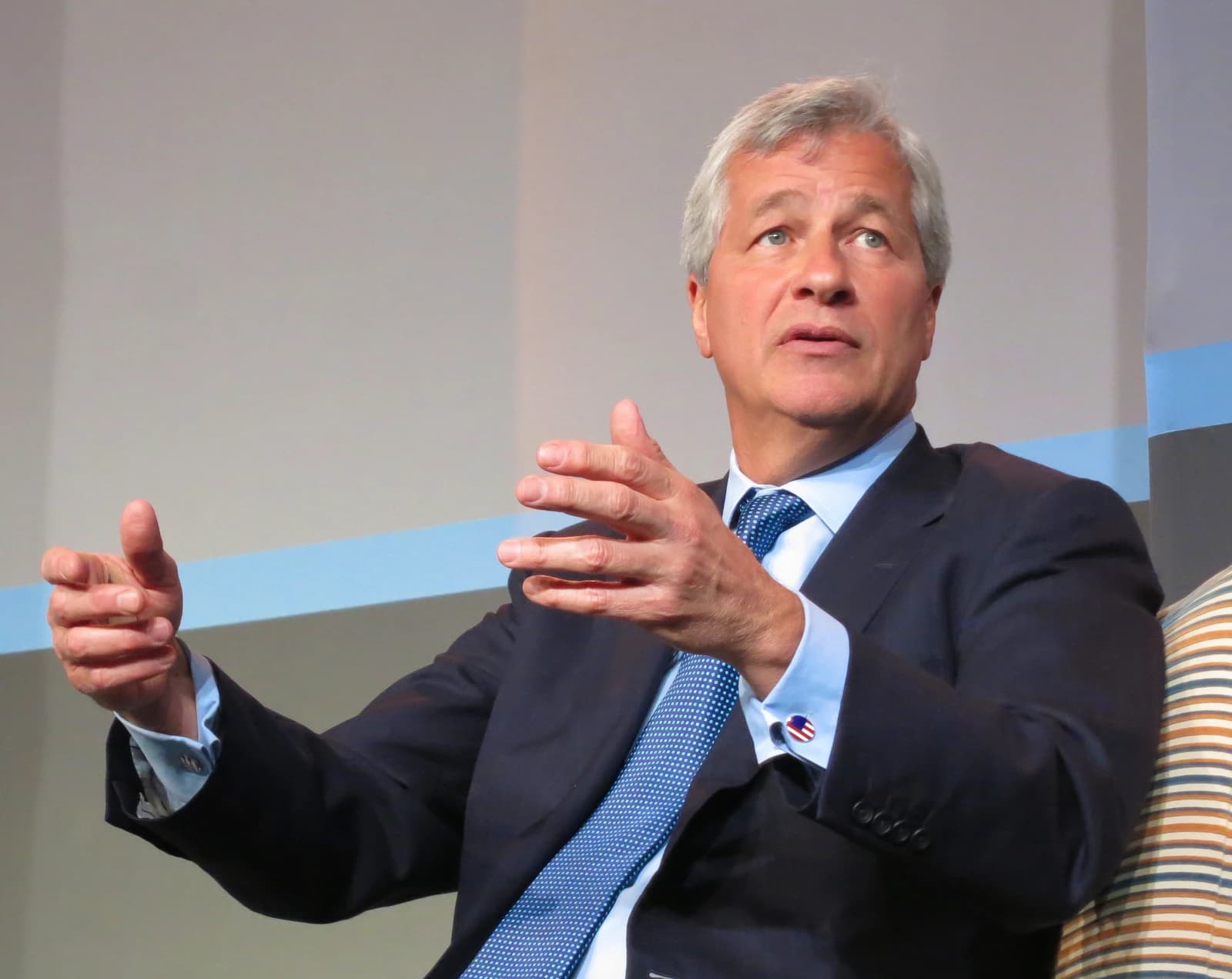
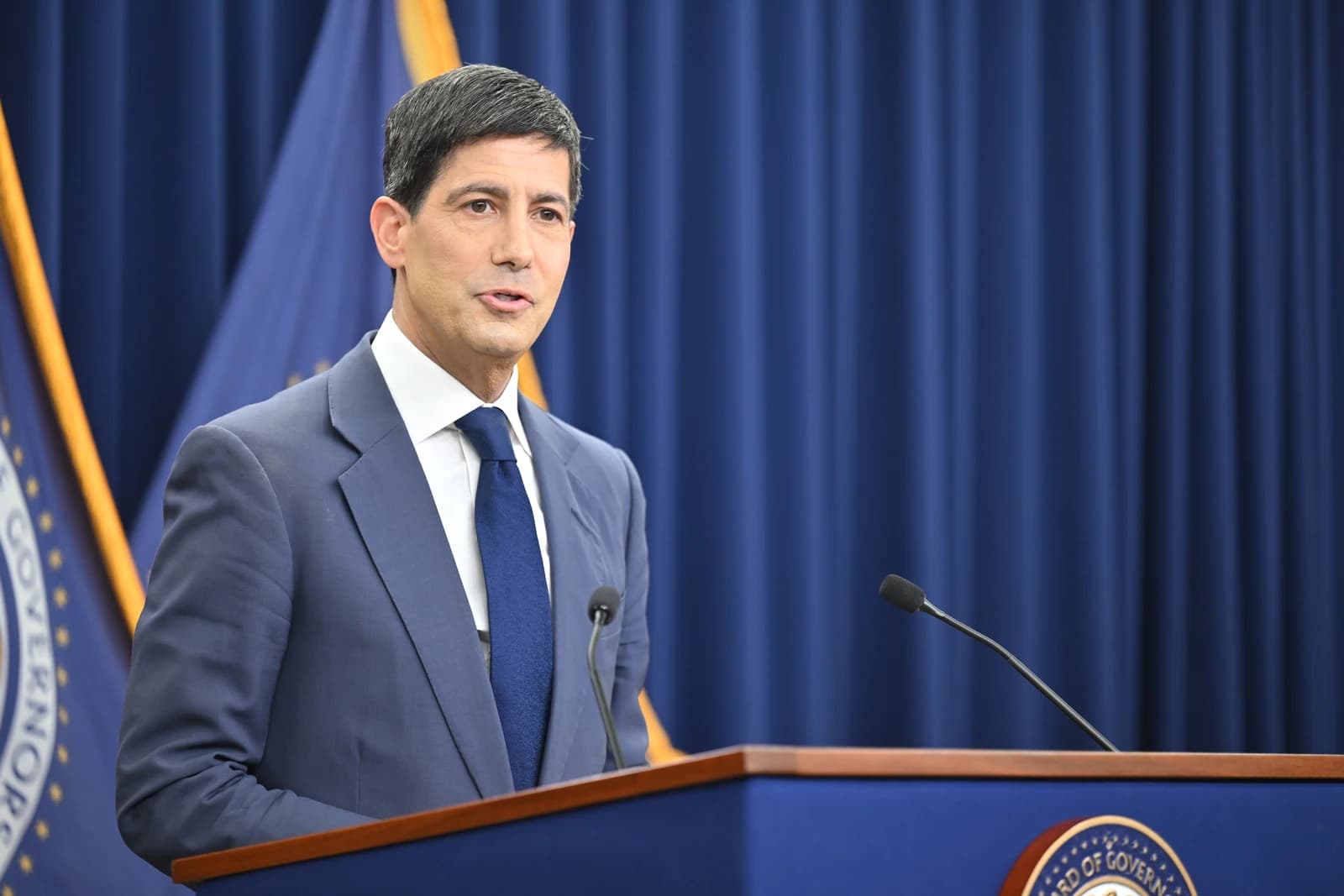
Donald Trump has called former Fed governor Kevin Warsh in his latest move to reshape the Federal Reserve, a signal that a potential second-term economic team would lean harder on easier money and more direct White House influence over interest-rate policy.
Trump Calls Kevin Warsh on Fed Leadership
The prospect matters because the Fed is already under pressure from a still-sticky inflation backdrop and a policy rate that remains high relative to the economy’s recent cooling. The latest data in the context show the benchmark 10-year Treasury yield at 4.63% on Aug. 4, with a forecasted 4.668% for Aug. 5, while the fed funds rate is holding at 3.63% and the consumer price index is still running far above pre-pandemic levels.
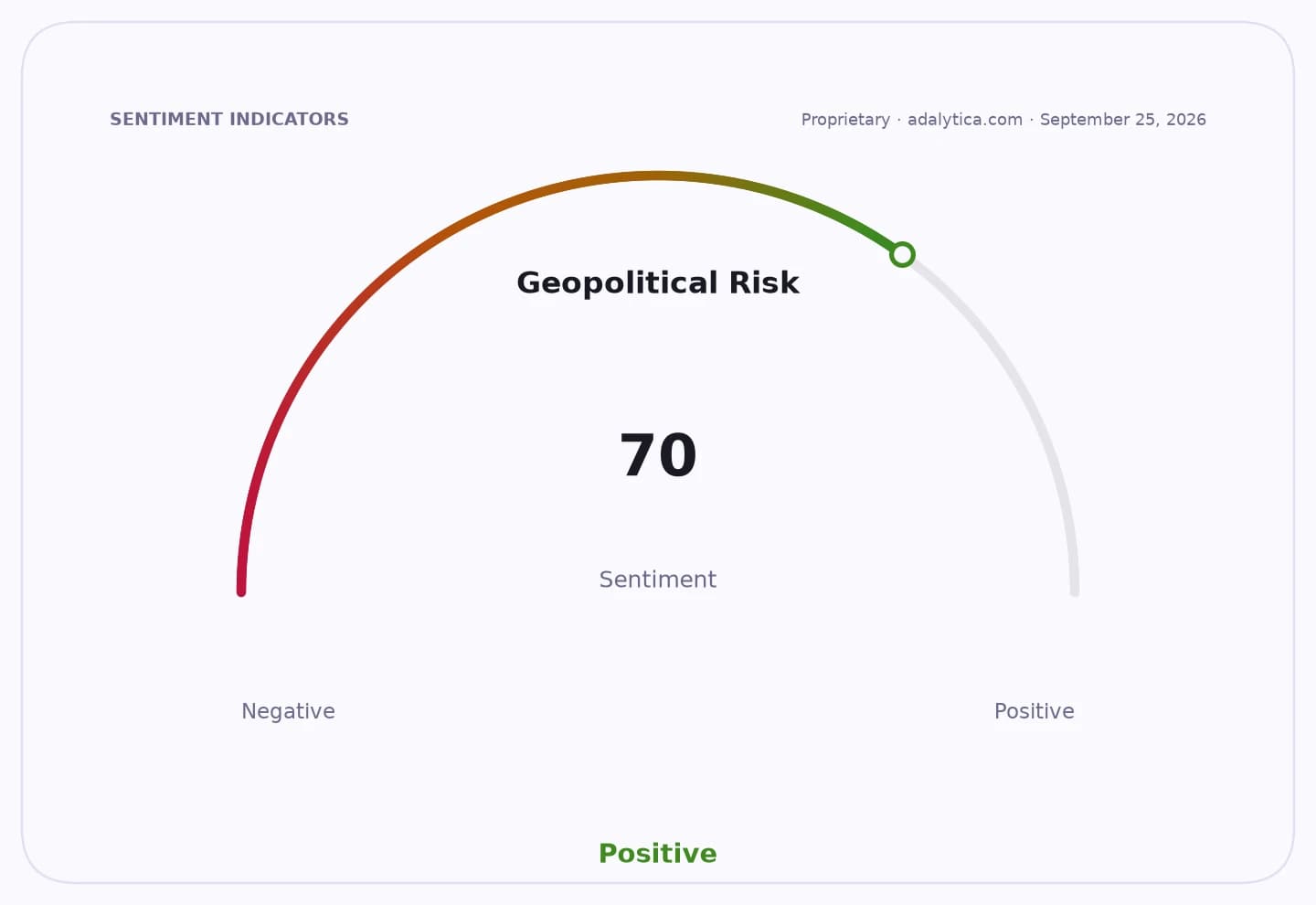
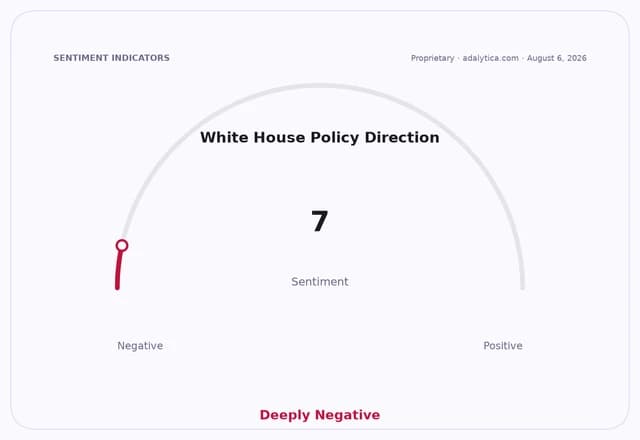
Sentiment IndicatorsⓘProprietary · adalytica.com · August 6, 2026
This is a snapshot — live sentiment, awareness and momentum for 130+ markets update continuously in the dashboard.Open AlphaPulse
For investors, the key question is whether Trump is laying the groundwork for a more dovish Fed leadership slate that could pull yields lower, weaken the dollar and support rate-sensitive assets. That trade is already visible in markets: TLT, the long-duration Treasury ETF, has been trading around 82.72 to 83.00 after a weak stretch, while the dollar ETF UUP has hovered near 28.16, close to its recent range highs and supported by a sharp jump in the Adalytica U.S. dollar trade signal to “Extreme Greed.”
The move also lands at a time when equities have been resilient. SPY closed at 769.27 on Aug. 6, just below its recent peak and well above both its 50-day and 200-day moving averages, suggesting investors are still pricing in a soft-landing backdrop even as policy uncertainty builds. Adalytica’s S&P 500 trade signals remain at “Extreme Greed,” underscoring how much optimism is still embedded in risk assets.
Warsh, who served on the Fed board during the financial crisis, has long been viewed in Washington and on Wall Street as a possible architect for a more politically responsive central bank. Any attempt to recast the Fed’s leadership would matter far beyond personnel: it would shape the path for mortgage rates, corporate borrowing costs, bank margins and the valuation of growth stocks that have benefited from expectations of eventually lower rates.
The political pressure comes as markets are already parsing how much room the Fed has to ease without reigniting inflation. Treasury yields have eased from higher levels, but not enough to restore the low-rate backdrop that powered much of the post-pandemic rally, leaving bondholders, banks and rate-sensitive sectors exposed to any shift in the Fed’s policy mix.
The next catalyst is likely to be further reporting on Trump’s Fed shortlist and any fresh signals on Powell’s successor, with investors watching whether the push for a remade central bank translates into a more overtly dovish policy regime.
| Entity | Gains | Losses |
|---|---|---|
| Trump allies | ▲More Fed influence | ▼Fed independence |
| Borrowers / equities | ▲Lower-rate expectations | ▼Higher-for-longer scenario |
| Bond holders | ▲Potential yield relief | ▼Policy uncertainty |
| Dollar bulls | ▲Near-term support | ▼Dovish Fed appointment risk |