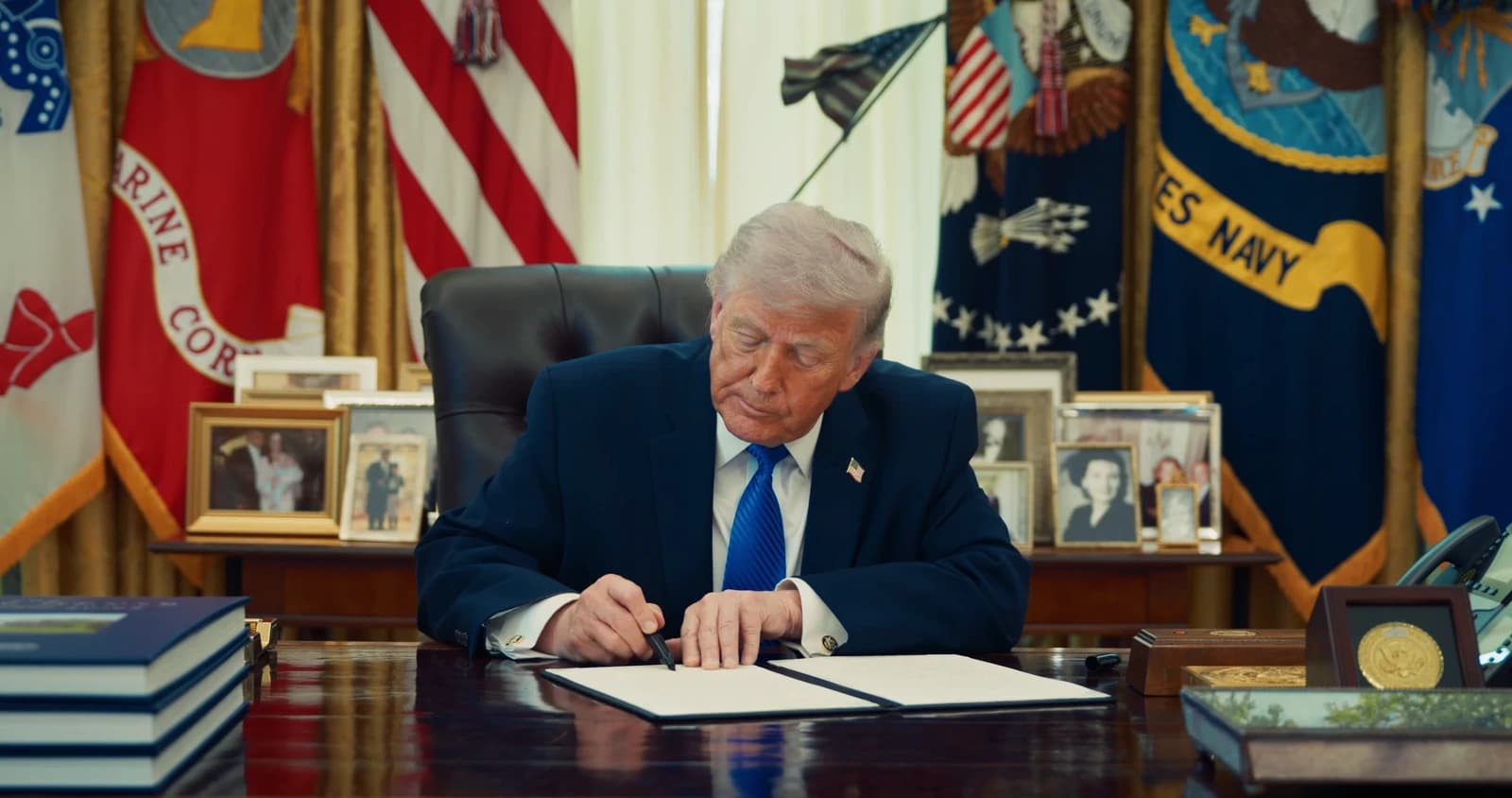
Donald Trump wrapped up his final midterm campaign swing with marathon rallies in Iowa and Kansas, underscoring how much control over the Senate may hinge on a handful of Midwest contests.
Trump ends Midwest rallies as Senate control hangs
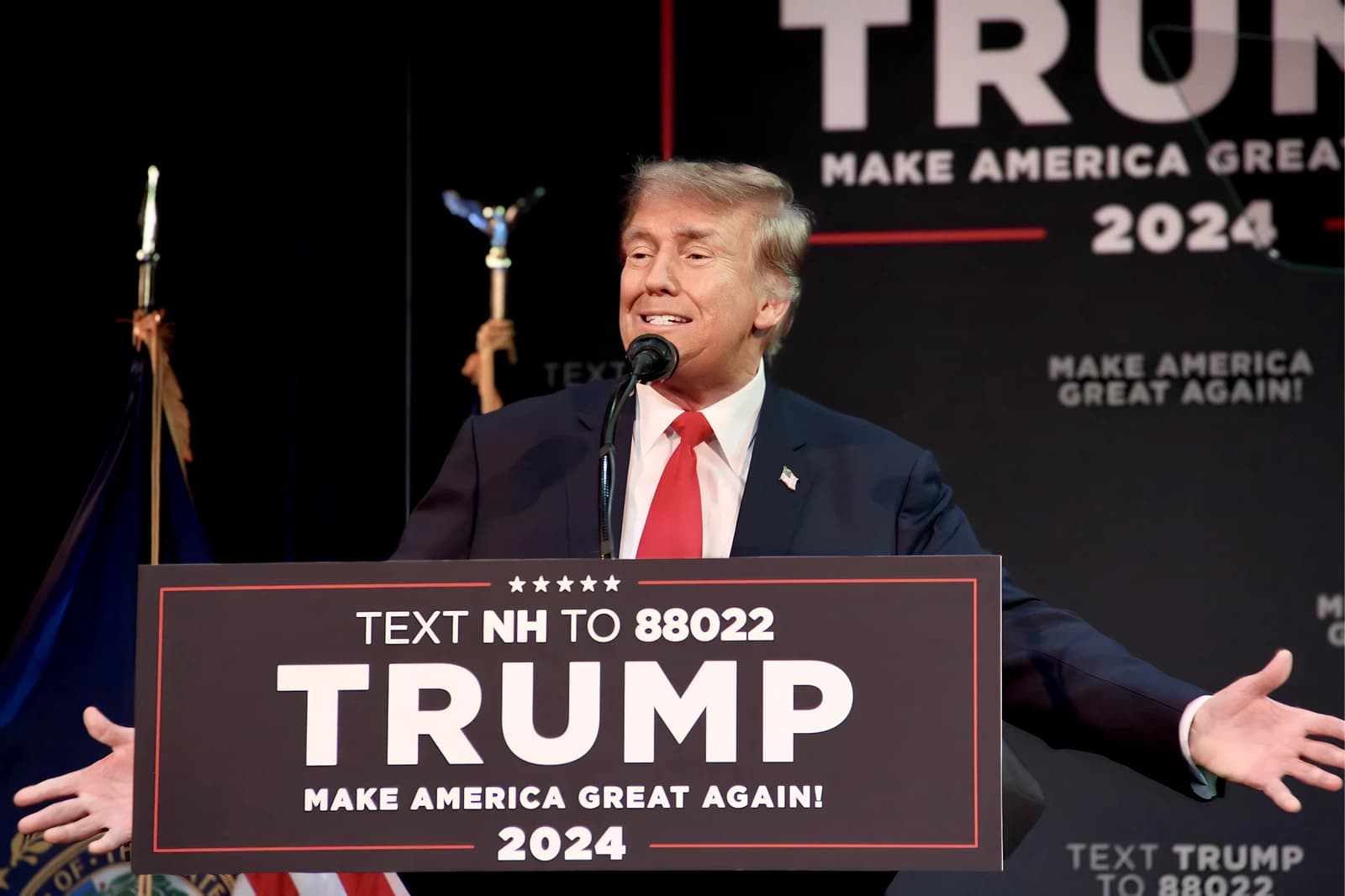
The immediate political significance is not the length of Trump’s speeches, but the timing: with Americans voting Tuesday, Republicans are trying to defend a narrow Senate majority that could be lost with just a few seats shifting hands. That makes his last-day appearances in Iowa and Kansas more than campaign theater. They are a late push to protect vulnerable incumbents and keep the chamber under Republican control, a result that would shape the next two years of fiscal policy, regulation and judicial nominations.
Sentiment Indicators
Trump’s stops in Salina, Kansas, and Dubuque, Iowa, were unusually long even by his standards, stretching to roughly 90 minutes and two hours respectively. He was joined briefly onstage by Speaker Mike Johnson in Iowa and Secretary of State Marco Rubio in Kansas, a sign that party leadership is treating the Senate map as strategically important. Trump also signaled he would close out the campaign with one final speech near the Lincoln Memorial in Washington, reinforcing that he wants the final message to remain centered on his role in the party and the election.
For investors, the stakes are less about the rallies themselves than about the policy path that follows. A Republican hold on the Senate would preserve a legislative firewall against Democratic priorities and make it easier for Trump to shape the party’s agenda if his influence continues to dominate after the vote. It would also limit the risk of a divided government scenario in which markets face a more aggressive push for tax increases, regulation or expanded federal spending. If Democrats were to take control, the calculus changes quickly: more oversight, a tougher stance on tariffs and industrial policy, and potentially greater volatility around nominations and budget battles.
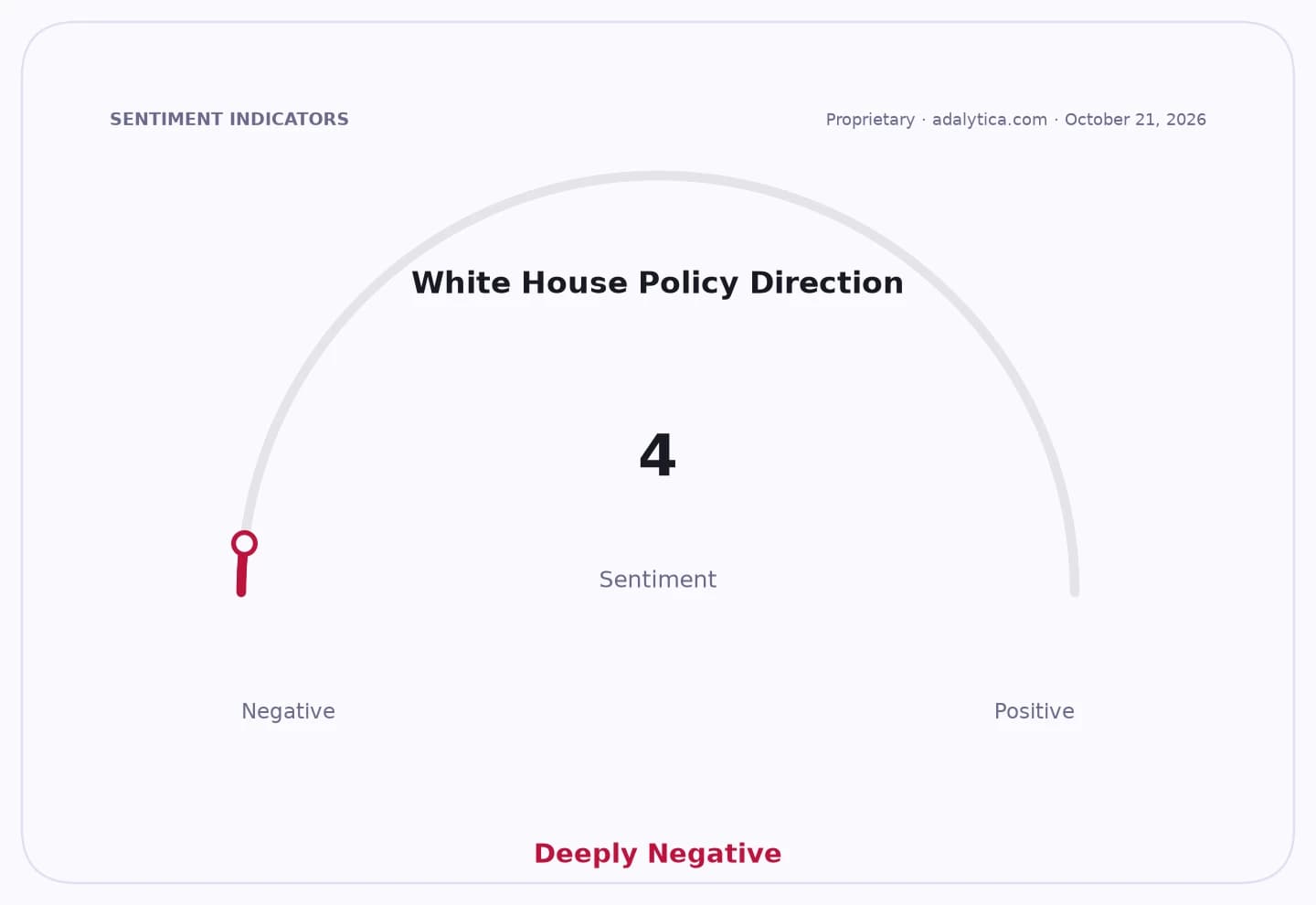
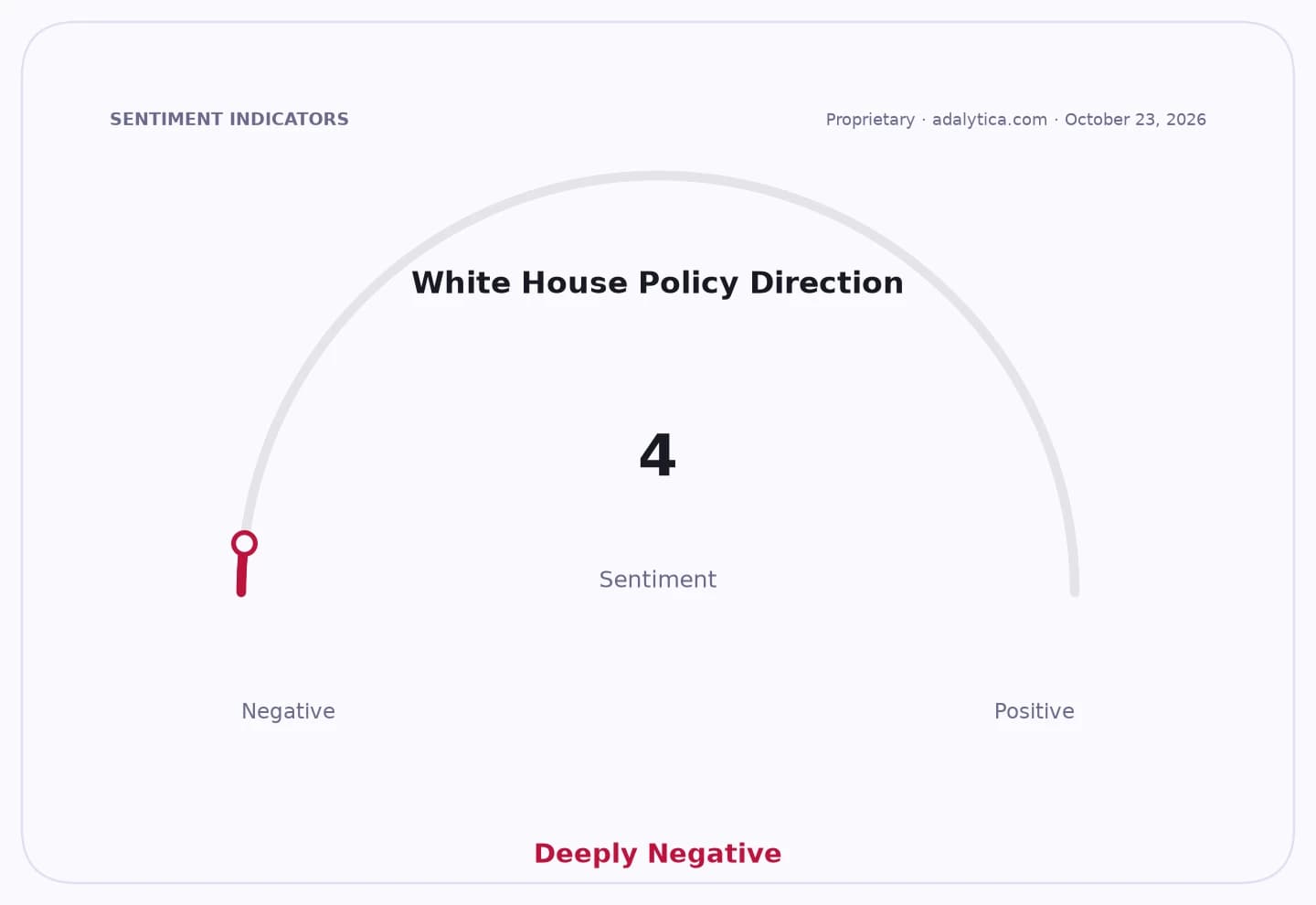
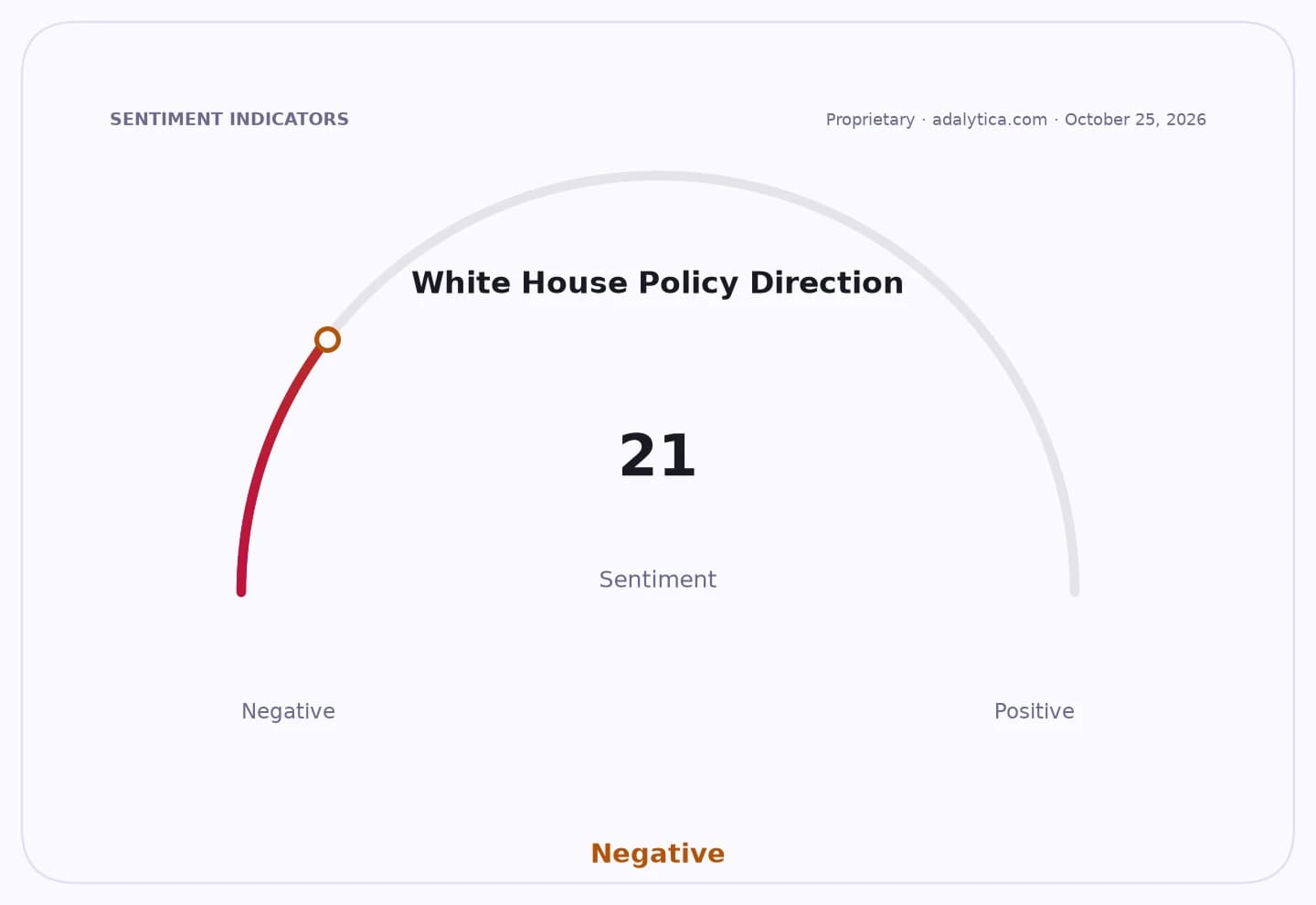
That is why the election has relevance beyond Washington. Adalytica’s US White House Policy Direction Sentiment gauge shows “Extreme Fear” at 11, down 59 points over the past 30 days, reflecting how rapidly policy uncertainty has risen into the vote. By contrast, the broader US presidential approval sentiment sits at 61, suggesting Trump still retains a meaningful base even as the campaign enters its final hours. The split points to a market that is not pricing in consensus on the result, but rather a wide range of possible policy outcomes.
The Midwest contests are especially important because they sit at the center of the Senate math. Republicans currently hold the chamber and can afford to lose only a limited number of seats while still retaining control, thanks to the vice president’s tie-breaking vote. That puts outsized importance on races such as Iowa and Kansas, where margins can determine whether the next Congress is able to move tax, spending and regulatory legislation at all.
The broader message from Trump’s final tour is that the campaign is being fought less as a national sweep than as a targeted defense of Senate power. For markets, the result will help define whether Washington remains constrained by divided government or becomes more capable of pushing through a larger policy shift.
| Entity | Gains | Losses |
|---|---|---|
| Republicans | ▲Keep Senate control | ▼Lose leverage if seats flip |
| Democrats | ▲Gain Senate majority if they win key seats | ▼Miss chance to reshape agenda |
| Trump | ▲Reasserts party dominance | ▼Faces weaker influence if GOP underperforms |
| Investors | ▲More policy clarity if outcome is decisive | ▼Higher volatility from split government risk |