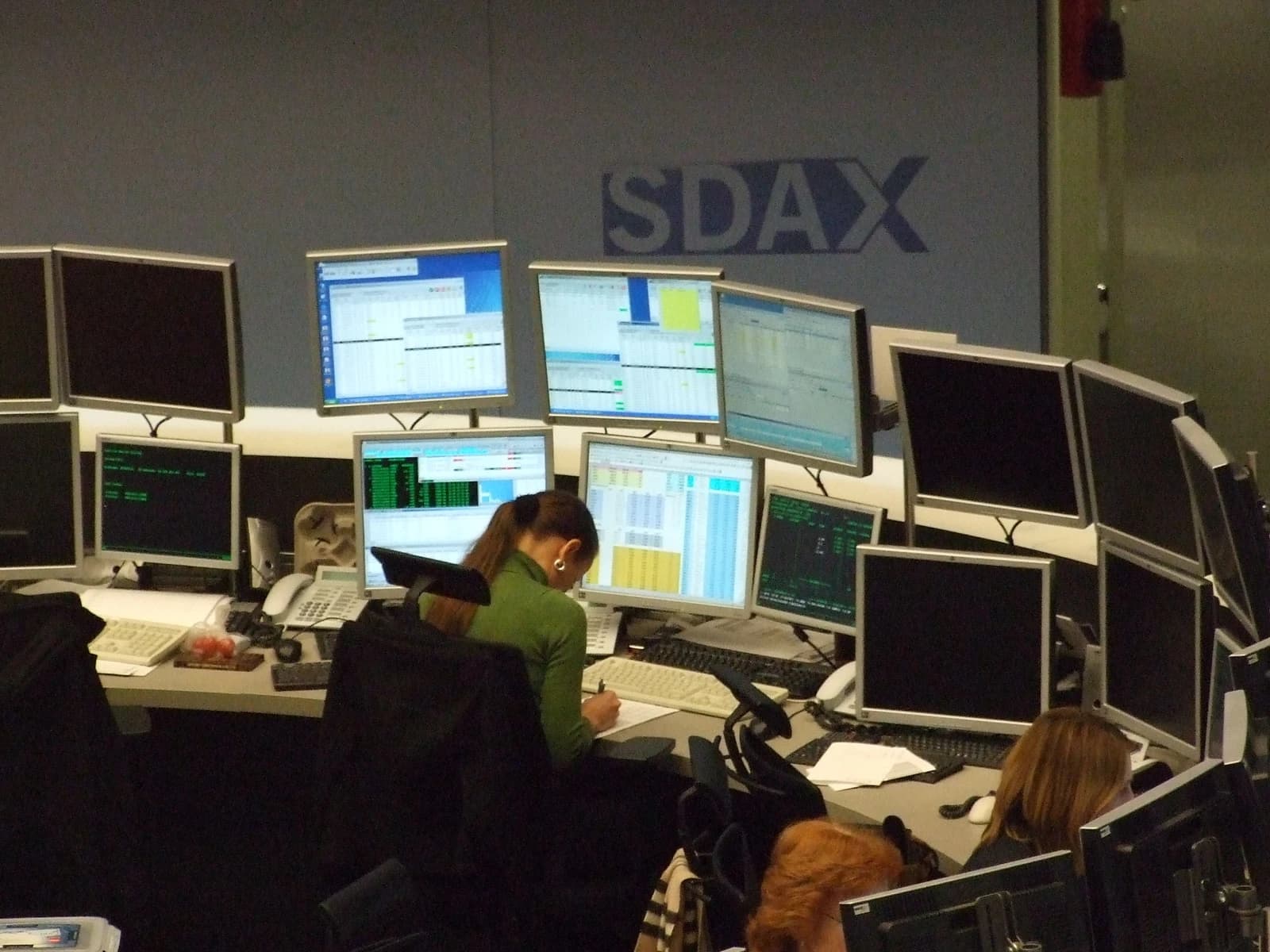
TSMC posted another sharp rise in quarterly sales and net profit, underscoring how AI chip demand is still feeding the world’s most important semiconductor manufacturer and keeping the industry’s supply chain tight.
TSMC Sales Rise as AI Chip Demand Stays Strong
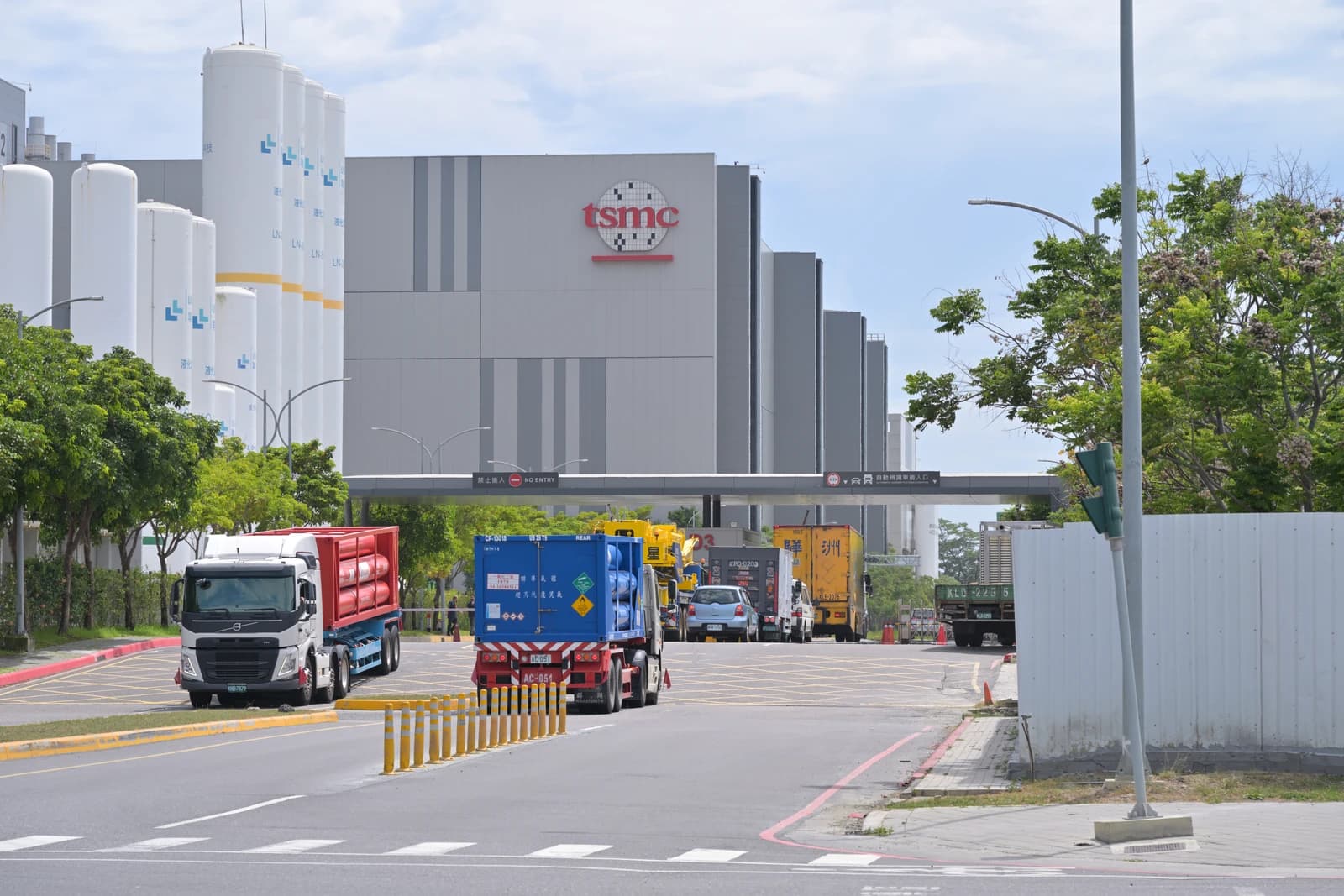
The result matters because Taiwan Semiconductor Manufacturing Co. sits at the center of the AI buildout: every stronger quarter from TSMC reinforces the view that spending on advanced chips, packaging and production tools remains resilient well into next year. That is a tailwind for the broader semiconductor complex, but it also raises the stakes for capacity, pricing and capital spending across the sector.
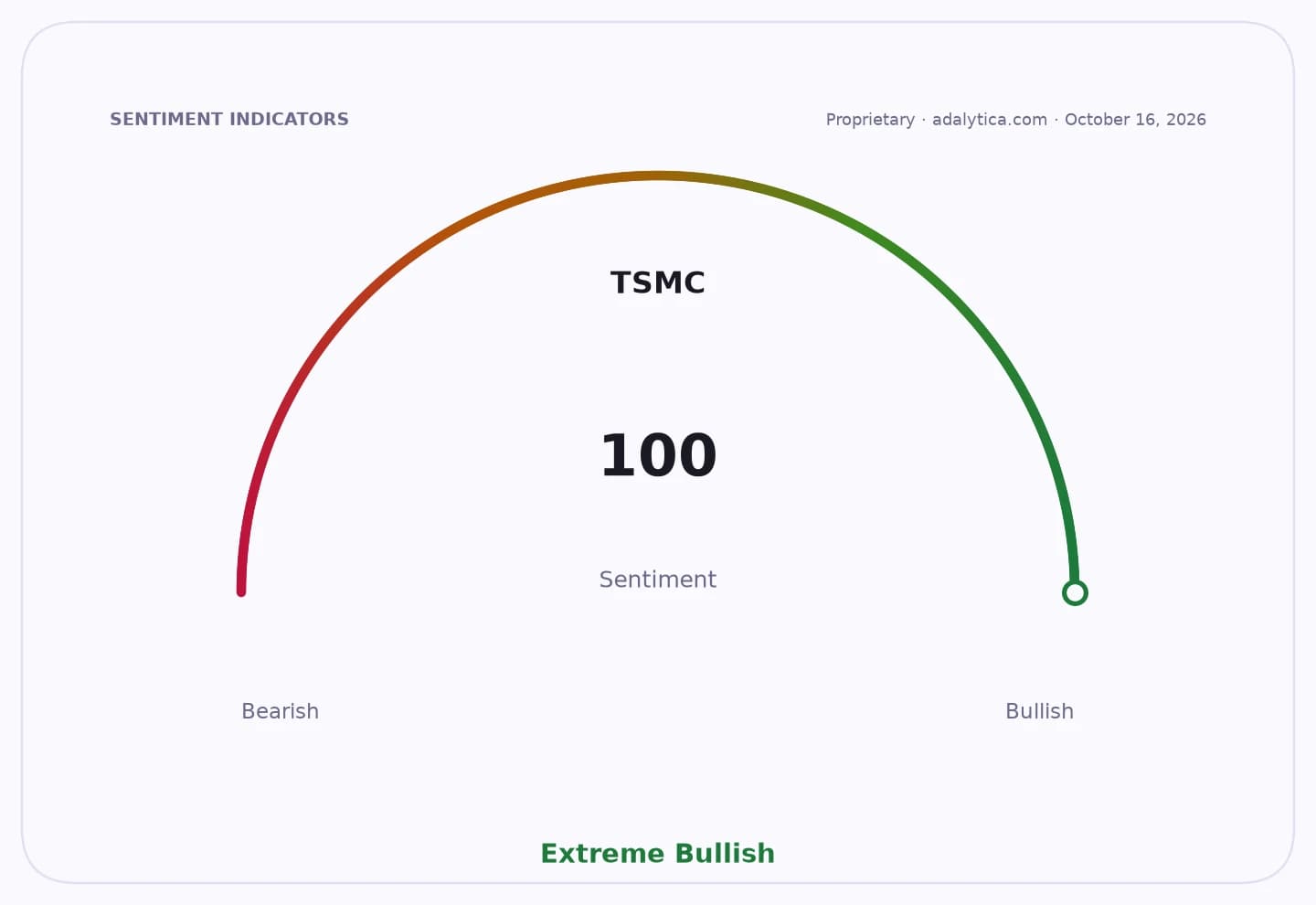
Sentiment IndicatorsⓘProprietary · adalytica.com · October 17, 2026
This is a snapshot — live sentiment, awareness and momentum for 130+ markets update continuously in the dashboard.Open AlphaPulse

TSMC’s latest numbers add to a string of evidence that the AI cycle has not yet peaked. ASML, the top equipment supplier to chipmakers, said sales jumped 55% and net profit reached €5 billion as orders tied to AI-chip production extend through 2030, while warning demand will outrun supply in 2027 and 2028. The message from both companies is the same: chipmakers are still investing aggressively to meet insatiable demand for advanced processors.
For investors, that supports the case for TSMC and other AI-linked names even as valuations remain elevated and the market becomes more selective. The VanEck Semiconductor ETF, or SMH, has pulled back from its highs, and Nvidia shares have also softened recently, showing that enthusiasm for AI has not eliminated volatility in the trade.
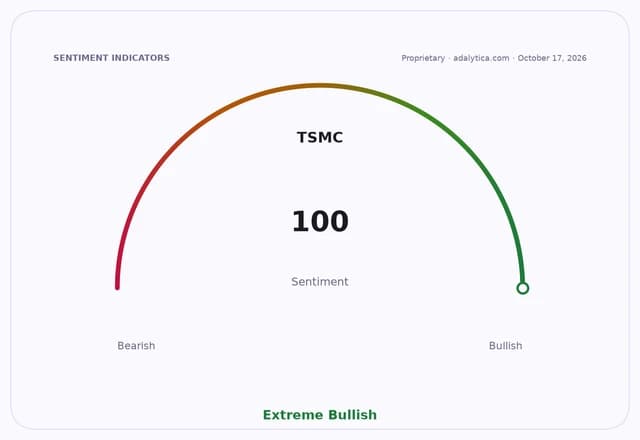
TSMC shares have been volatile too. After a strong run earlier this year, the stock has slipped back toward the mid-$400s in U.S. trading, with the 50-day moving average now above the latest close and RSI readings showing the stock has cooled from overbought levels. Even so, the longer-term trend remains constructive, with the shares still trading well above the 200-day moving average.
The bigger narrative is that AI infrastructure spending is still driving the semiconductor cycle, and TSMC remains one of the clearest beneficiaries. The question for the next leg is not whether demand exists, but whether the industry can keep adding enough capacity to satisfy it without squeezing margins or triggering a broader cooldown in 2027 and beyond.
| Entity | Gains | Losses |
|---|---|---|
| TSMC | ▲Higher sales and profit | ▼Margin pressure if capacity tightens |
| Nvidia | ▲Ongoing foundry demand | ▼Near-term share volatility |
| ASML | ▲Stronger equipment orders | ▼Supply bottlenecks risk |
| SMH holders | ▲AI semiconductor exposure | ▼Pullbacks in richly valued names |