TSMC’s plan to expand its U.S. investments by hundreds of billions of dollars marks a bigger shift than a single factory announcement: it is a long-term bet that the world’s most important chipmaker will increasingly build closer to its biggest customers and the U.S. government’s strategic priorities.
TSMC U.S. investment expansion and AI demand
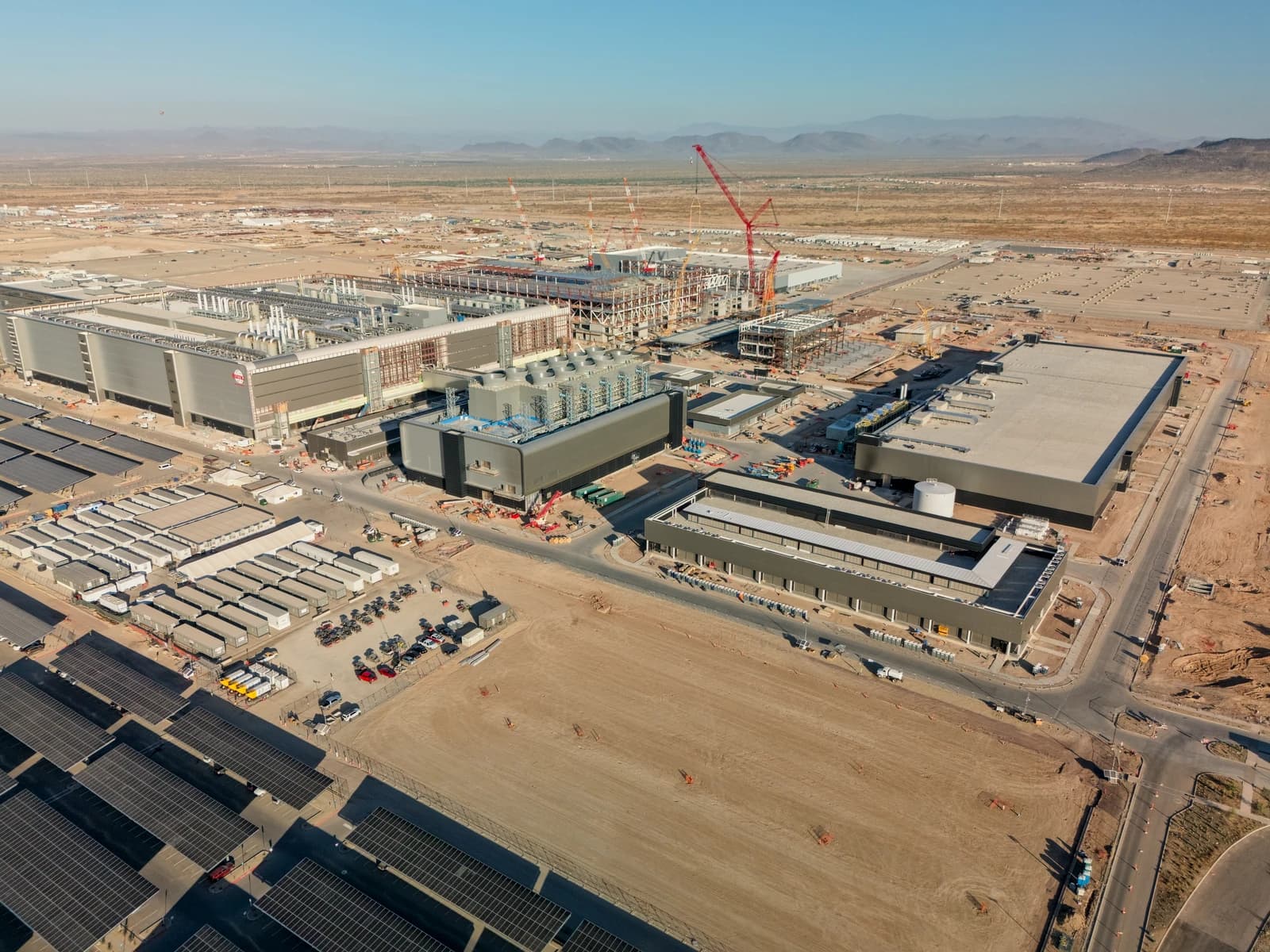
That matters economically because advanced semiconductors sit at the center of everything from AI servers to smartphones, and the latest industry backdrop suggests supply is still tight rather than abundant. Samsung has warned that memory-chip shortages will worsen in 2027 and persist into 2028, while Apple is already dealing with chip constraints ahead of its next iPhone cycle. In other words, capacity is valuable, and the companies that control it can shape pricing, margins and supply chains for years.
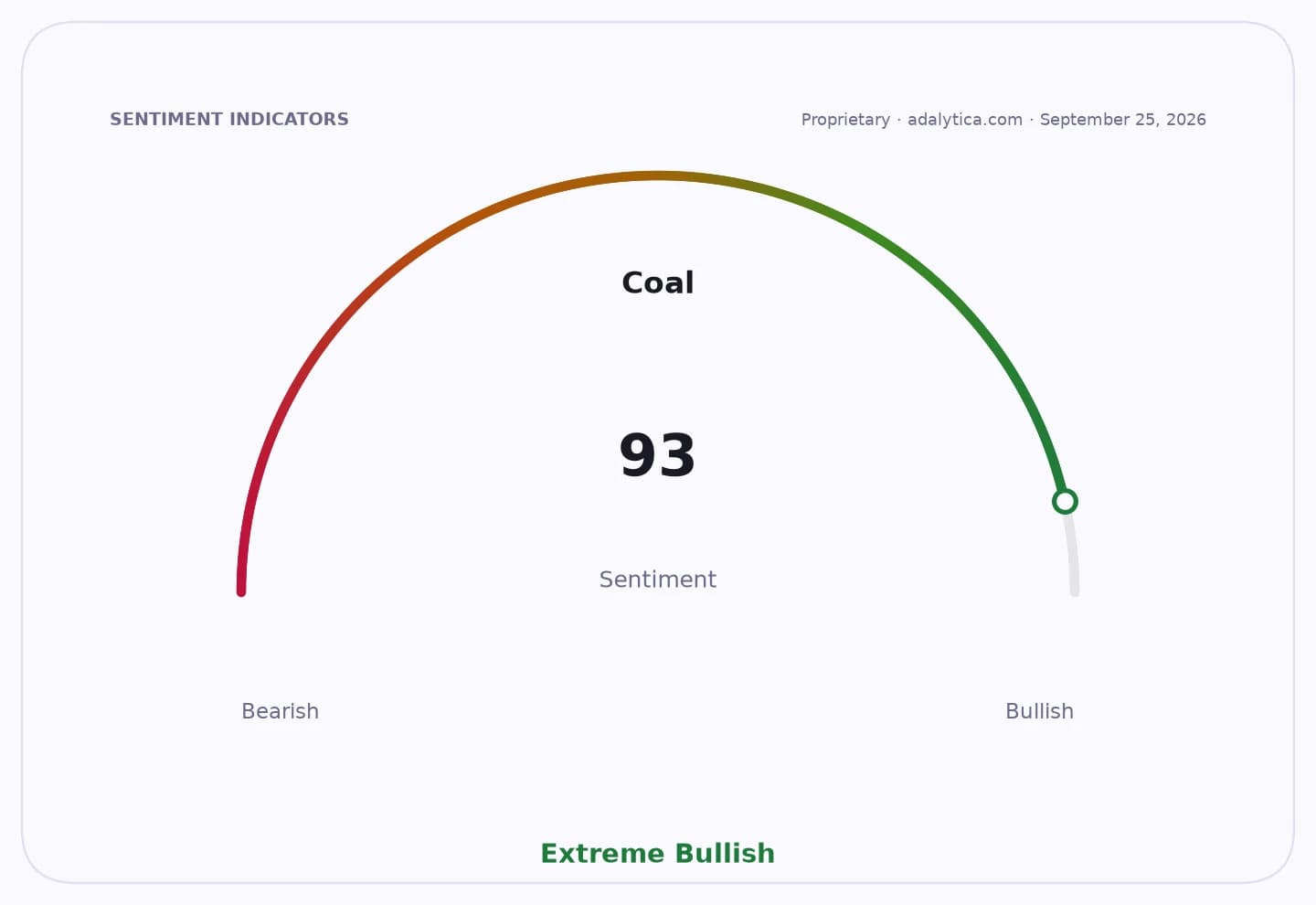
Sentiment IndicatorsⓘProprietary · adalytica.com · August 4, 2026
This is a snapshot — live sentiment, awareness and momentum for 130+ markets update continuously in the dashboard.Open AlphaPulse
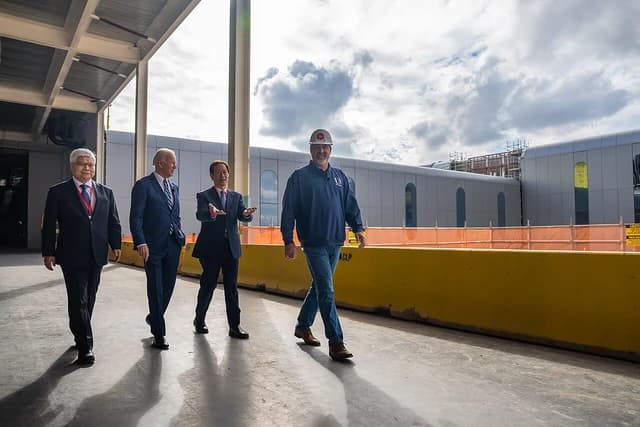
For TSMC, the U.S. expansion is about more than geography. It helps secure access to the biggest pool of chip demand in the world, reduces exposure to geopolitical risk around Taiwan, and strengthens relationships with customers that want more resilient supply chains. It also fits Washington’s broader push to localize critical technology production. That can mean subsidies, policy support and long-term customer commitments, all of which are meaningful for a capital-intensive business that lives and dies by scale.
Investors should see both opportunity and trade-offs. Building more in the U.S. can deepen TSMC’s moat with marquee clients like Nvidia, AMD and Apple, which rely on its manufacturing lead. TSMC shares remain well above their long-term moving averages, though recent trading has been volatile, and the stock’s technical backdrop shows the kind of pullback that long-term investors often treat as a chance to reassess the story rather than abandon it. The core thesis remains intact: if AI demand keeps stretching the industry, the best-positioned foundry keeps winning.
TSMC — 30-day sentimentadalytica.com
Explore this data interactively — full history, time series and cross-market comparisons.Open AlphaPulse
The risk is that U.S. expansion is expensive. Labor, construction and compliance costs are higher, and every dollar spent overseas is a dollar not immediately returned to shareholders. But for a company with TSMC’s strategic importance, the bigger question is not whether it can avoid the cost. It is whether it can turn that spending into durable pricing power and a more resilient franchise.
For long-term investors, the story is less about a quarterly headline and more about the next decade of chip manufacturing. If TSMC can keep extending its technology lead while diversifying production, it could emerge even more indispensable. That makes the stock worth watching closely, especially for investors who are building positions for the AI and semiconductor cycle over 3 to 10 years.
| Entity | Gains | Losses |
|---|---|---|
| TSMC | ▲More U.S. customers and policy support | ▼Higher capital spending |
| U.S. chip buyers | ▲Better supply security | ▼Less bargaining power |
| Taiwan-based production model | ▲Reduced concentration risk | ▼Some investment shifts abroad |
| Intel and other foundry rivals | ▲Pressure to invest faster | ▼Risk of being outpaced by TSMC |