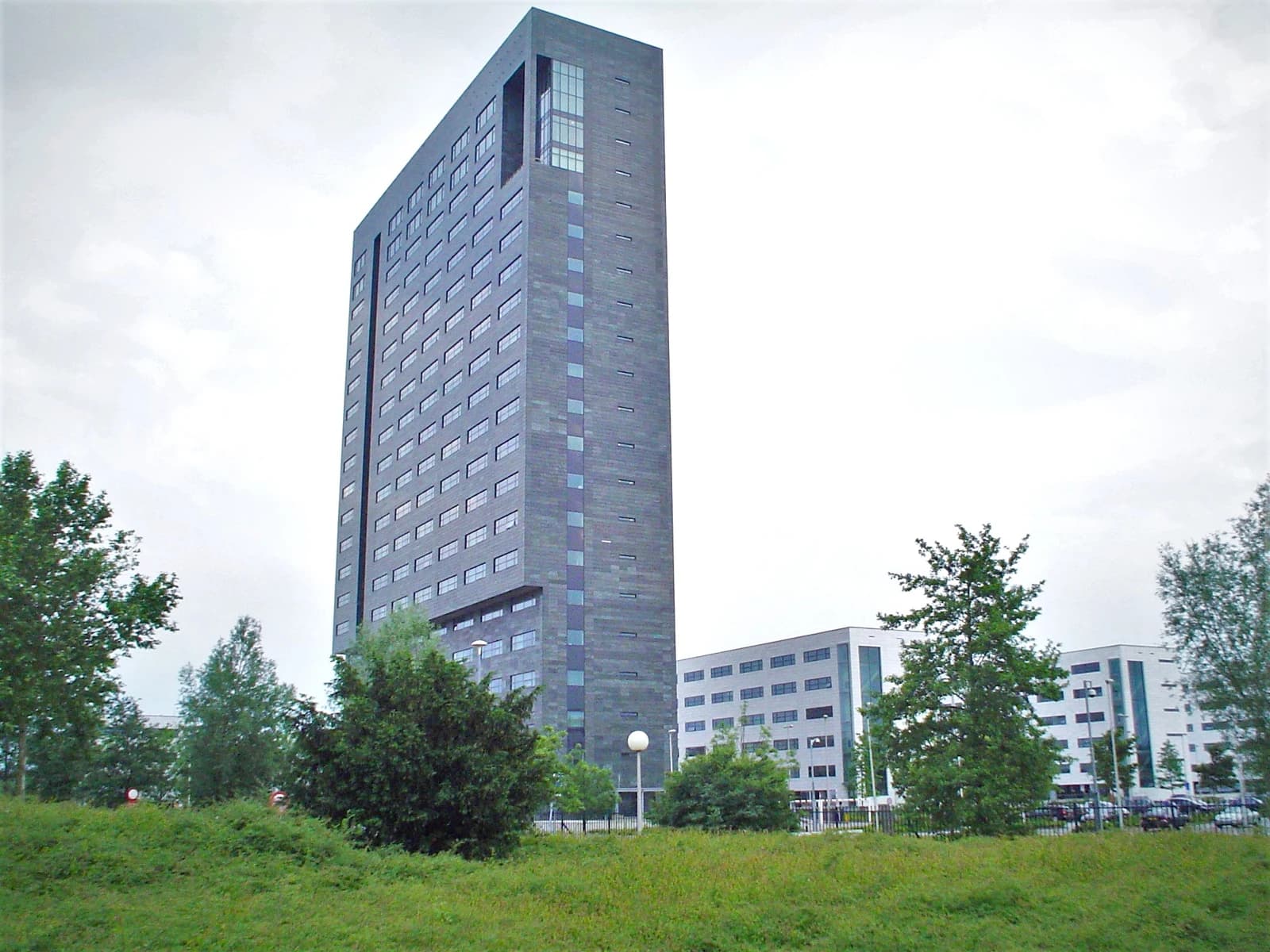
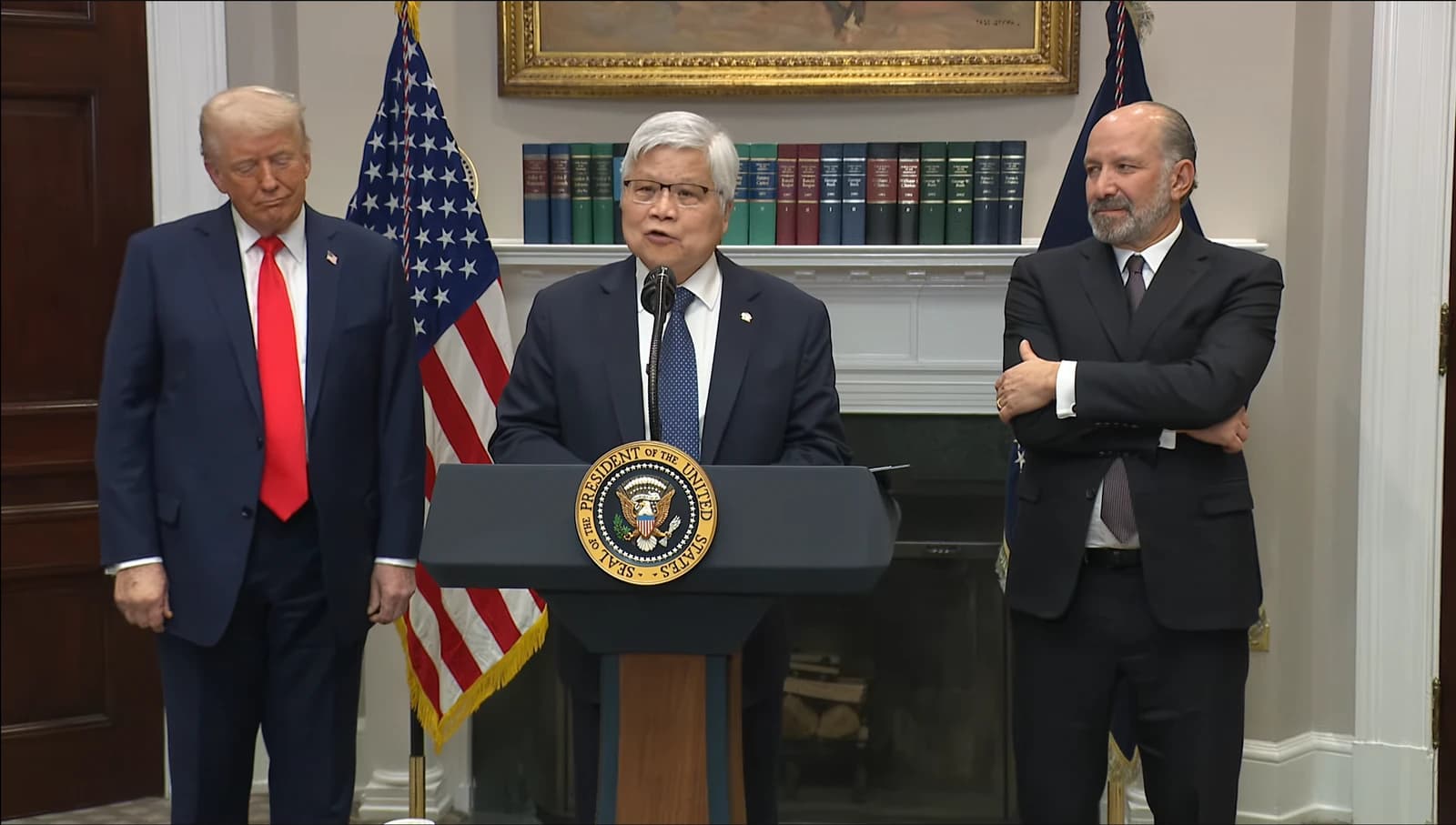
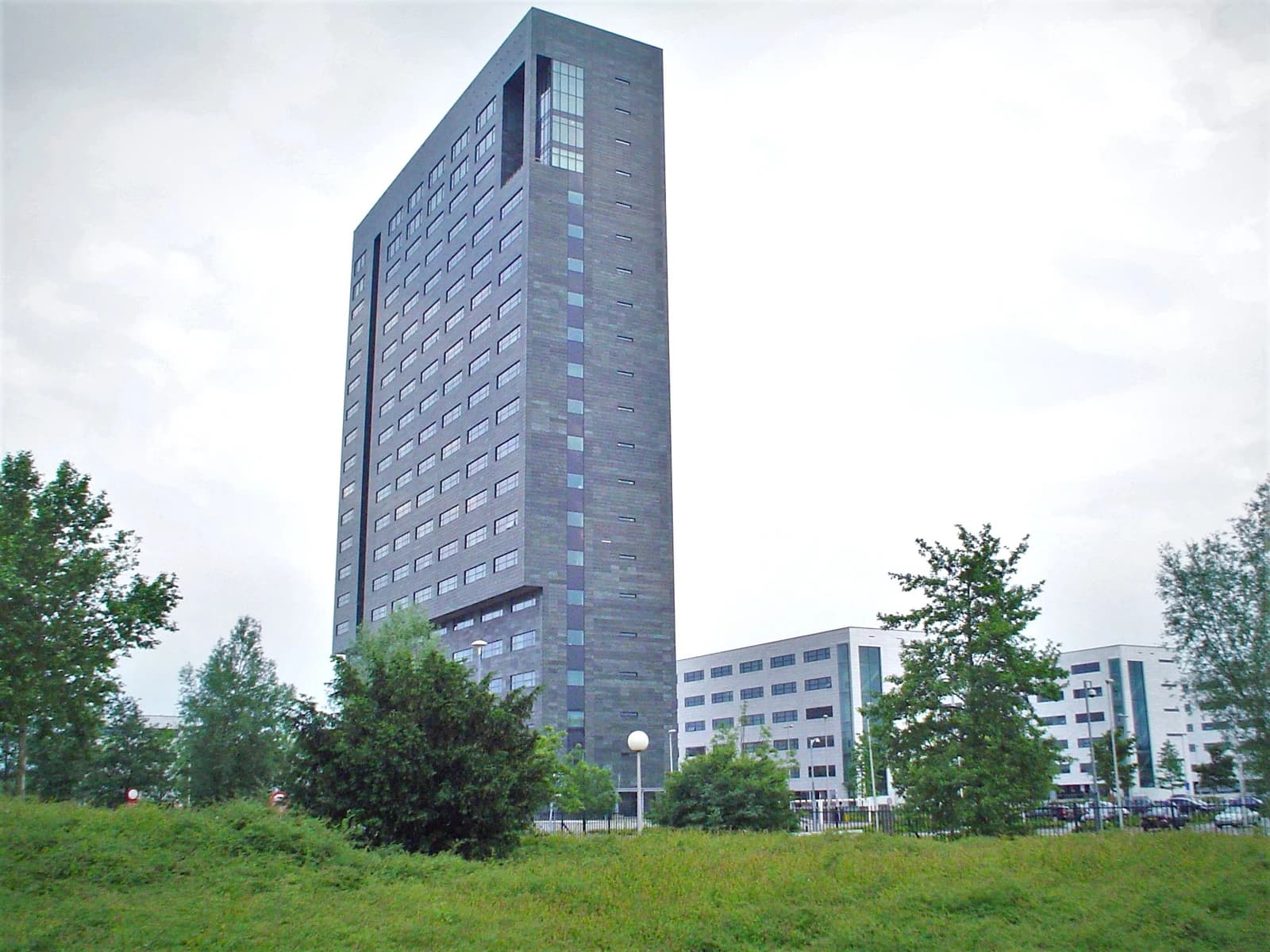
Taiwan Semiconductor Manufacturing looks like the safer long-term bet of the two chip monopolies because its business is tied to the world’s widest semiconductor demand base, while ASML depends more directly on a continued surge in chip-factory spending.
TSMC vs ASML: Long-Term Semiconductor Bet
That distinction matters a lot for investors. Both companies are extraordinary businesses and both sit at the center of the artificial intelligence build-out, but the stock market has already assigned ASML a steeper valuation premium. When you pay up for a company whose machine sales depend on customers adding new capacity, you are betting not just on AI growth, but on the pace and duration of capital spending that follows it.
Sentiment Indicators
TSMC
ASML’s moat is nearly untouchable. It is the only company in the world making extreme ultraviolet lithography machines, the massive tools used to etch the most advanced chips at scales measured in nanometers. That monopoly is real, and it is why ASML remains one of the most important names in the semiconductor supply chain. But the economics of that monopoly are cyclical. Once customers finish their current round of capacity expansion, orders can cool.
TSMC’s advantage is less flashy but arguably more durable. The company does not own a singular piece of equipment monopoly; it owns scale. In the second quarter, Taiwan Semiconductor accounted for about 72.5% of revenue in the chip-fabrication industry, giving it a reach and production depth rivals cannot match. That scale lets TSMC serve the biggest chip designers in the world and keeps customers dependent on its manufacturing footprint.
For long-term investors, that business model is easier to underwrite. AI is still the dominant demand engine today, but TSMC is better positioned if demand broadens into other compute-heavy markets such as robotics, autonomous driving and physical AI. ASML, by contrast, needs customers to keep building fabs at a rapid clip. That can happen for years, but it is not a guarantee.
The recent share price action also underlines the point. TSMC and ASML have both pulled back from their highs, and standard technical indicators such as the relative strength index and MACD on both stocks show the kind of weakness that often accompanies a valuation reset. Yet valuation is where the gap becomes most relevant: ASML still trades at a premium to TSMC on 2026 and 2027 earnings estimates, despite having the more demand-sensitive earnings path.
For investors thinking in years rather than weeks, that makes TSMC the more forgiving place to own semiconductor exposure. ASML remains a world-class franchise, but TSMC offers the better mix of monopoly-like power, broader demand optionality and a less demanding price tag. In a sector this important to the global economy, that combination is worth watching — and, for patient investors, worth considering.
| Entity | Gains | Losses |
|---|---|---|
| TSMC shareholders | ▲Broader demand optionality | ▼Less pricing excitement |
| ASML shareholders | ▲Best-in-class EUV monopoly | ▼More cyclical capex dependence |
| Chip designers and fabless firms | ▲Access to TSMC scale | ▼Higher equipment costs at ASML |
| Long-term investors | ▲Cheaper entry into AI infrastructure | ▼Paying a premium for slower demand visibility |