Vegetable prices are getting another inflationary jolt as autogas costs are set to rise by 4 liras 45 kurus, a move that underscores how volatile energy and currency markets are feeding through to household budgets and supply chains even after crude oil eased sharply.
Turkey autogas rises 4.45 lira amid oil drop

The increase comes despite a roughly 5% drop in global oil prices after the U.S. delayed military action in the Middle East, with benchmark crude falling about $4 a barrel. That disconnect matters because it shows domestic pricing is still being driven by a mix of imported fuel costs, exchange-rate swings and local taxes and transport expenses, not just the daily move in oil.
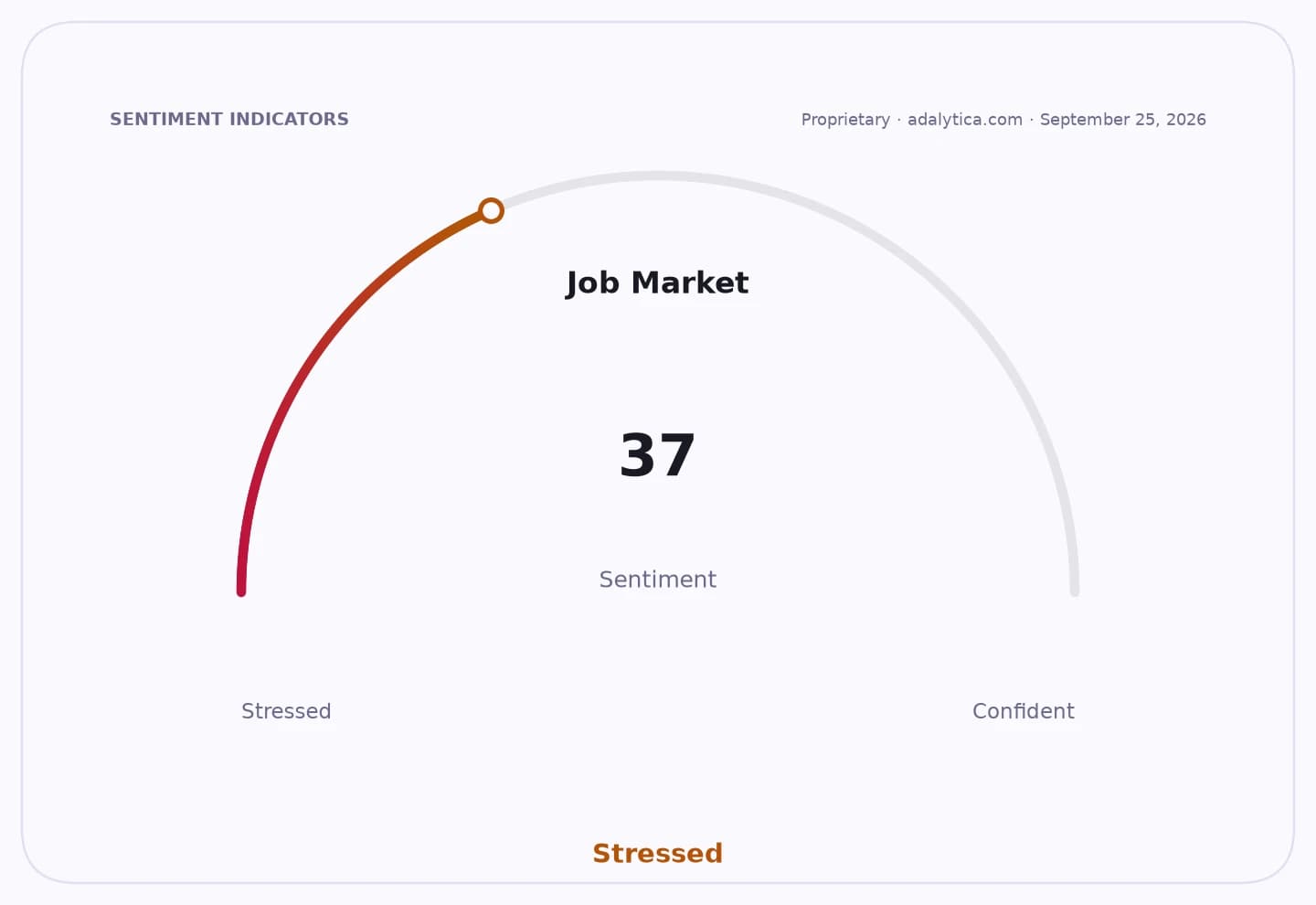
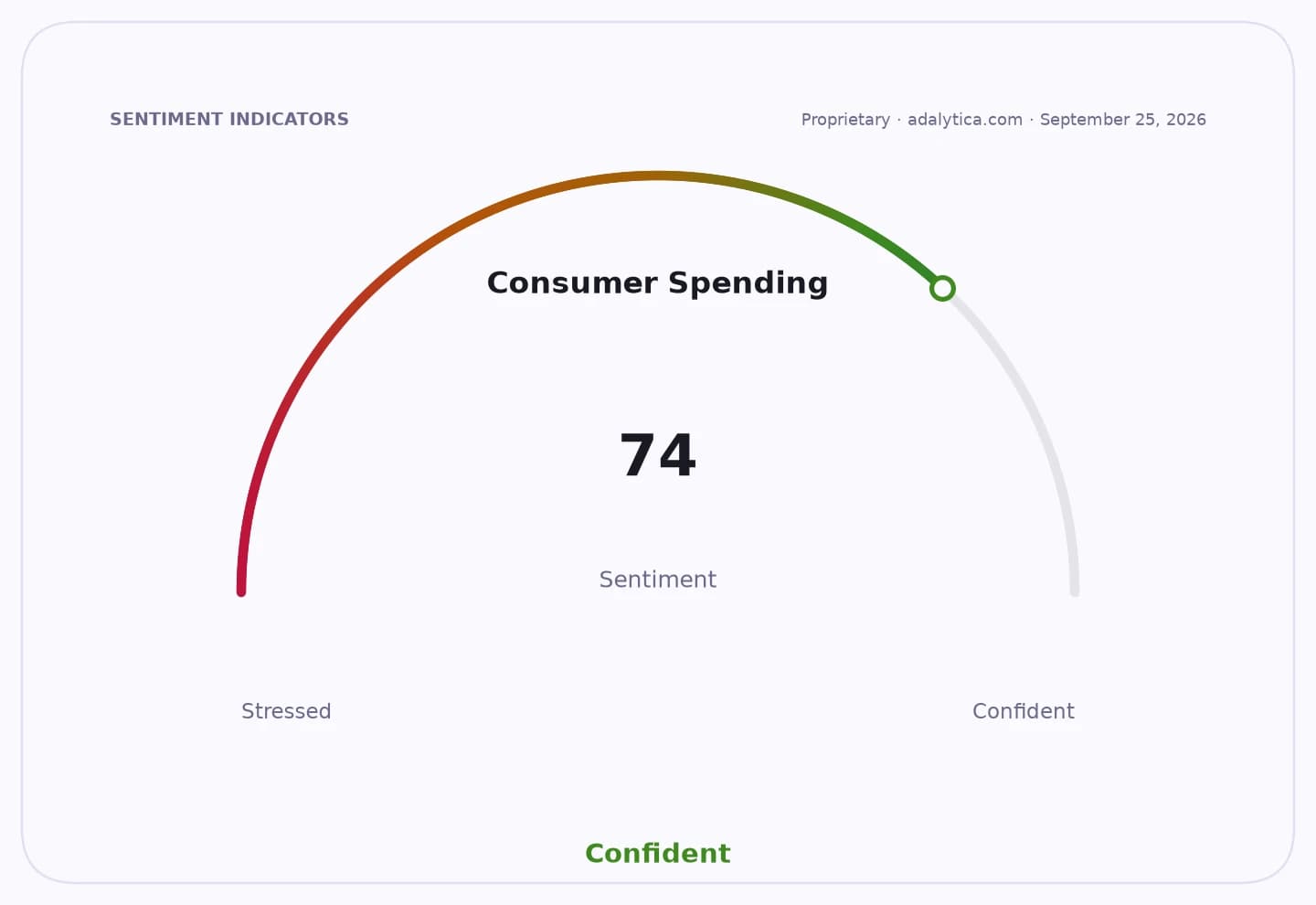
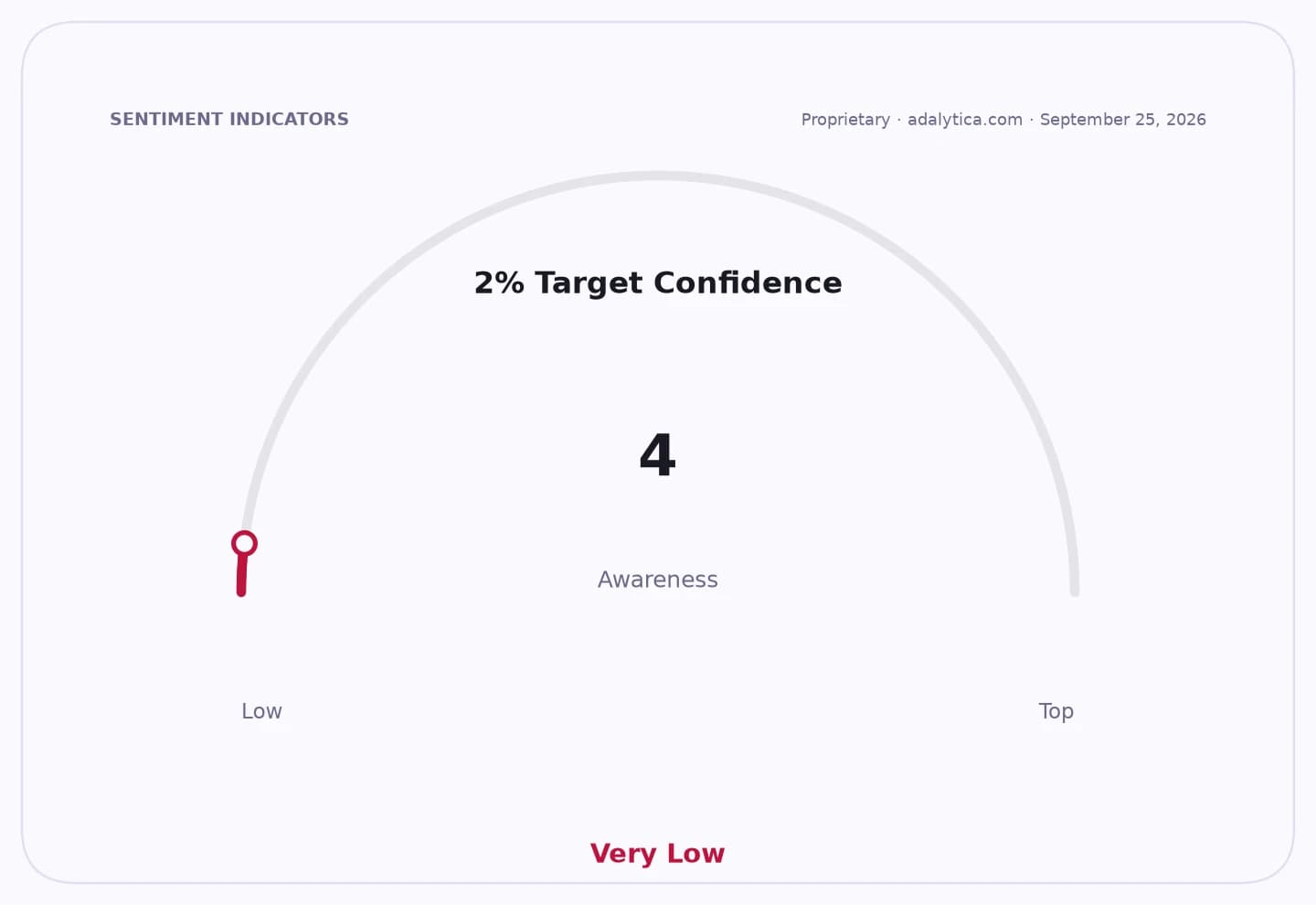
Sentiment IndicatorsⓘProprietary · adalytica.com · August 4, 2026
This is a snapshot — live sentiment, awareness and momentum for 130+ markets update continuously in the dashboard.Open AlphaPulse

For consumers, higher autogas prices raise the cost of moving vegetables from farm to wholesale markets and then to retailers, adding pressure to already sensitive food inflation. For investors, it is another reminder that Turkey’s inflation path and near-term policy outlook remain exposed to external shocks, especially when the lira weakens and commodity markets react to geopolitics.
The broader backdrop is still one of uneven disinflation. U.S. consumer prices are running far above pre-pandemic levels, producer prices remain elevated, and commodity-linked funds such as DBA and WEAT have seen volatile trading as markets try to gauge the next move in energy and grain costs.

Adalytica’s CPI sentiment gauge is showing extreme greed at 79, while its oil signal sits at 77, suggesting traders are still leaning into inflation-sensitive bets even as price risks remain unstable. The next catalyst is whether renewed oil volatility or further currency weakness forces another round of fuel and food price adjustments.
| Entity | Gains | Losses |
|---|---|---|
| Fuel retailers | ▲Higher nominal pump revenue | ▼Demand sensitivity |
| Transporters | ▲None | ▼Higher operating costs |
| Consumers | ▲None | ▼More expensive food and travel |
| Inflation hedgers | ▲Volatility-driven opportunity | ▼Policy uncertainty |