Turkey’s tighter controls on merchant shipping in the Black Sea are raising fresh operational and insurance risks for shipowners, even as the Philippines’ Department of Migrant Workers visits Filipino seafarers in Türkiye to shore up support for crews caught in the crosscurrents of the conflict zone.
Turkey tightens Black Sea shipping controls amid war-risk costs
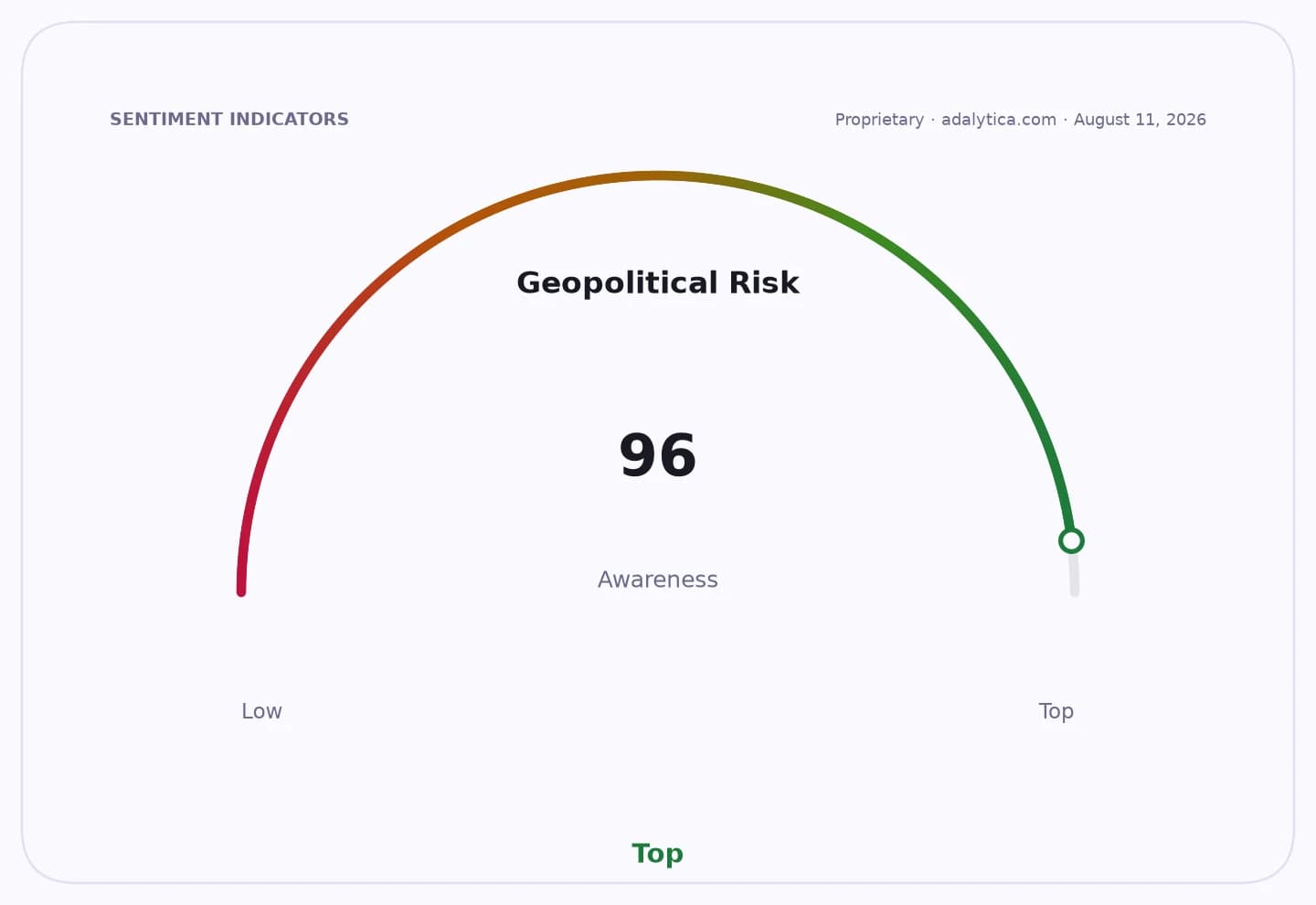
The move matters because the Black Sea is a key corridor for grain, energy and other cargoes, and any restriction on vessel movement can quickly ripple through freight rates, voyage times and war-risk premiums. With Russian strikes on cargo ships, temporary route closures and renewed military activity already unsettling traffic, shipping companies are being forced to weigh safety against commercial demand.
Sentiment IndicatorsⓘProprietary · adalytica.com · August 11, 2026
This is a snapshot — live sentiment, awareness and momentum for 130+ markets update continuously in the dashboard.Open AlphaPulse
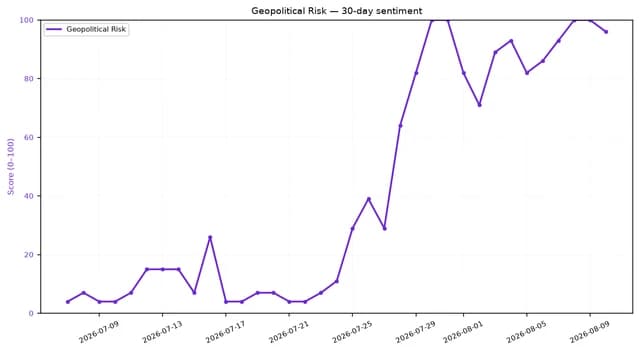
For crews, the risk is immediate. Filipino seafarers are among the largest labor pools in global shipping, and the DMW’s engagement in Türkiye underscores how geopolitical tension is now a manpower issue as much as a trade issue, with governments under pressure to protect workers who face longer transit times, higher exposure and possible rerouting through contested waters.
The market impact is already visible in tanker and shipping names that are sensitive to geopolitical disruption. International Seaways and DHT Holdings have both pointed to elevated voyage expenses from bunker costs and additional war-risk insurance when vessels transit affected waters, while broader market gauges show investors remain positioned for heightened volatility in trade-linked assets.
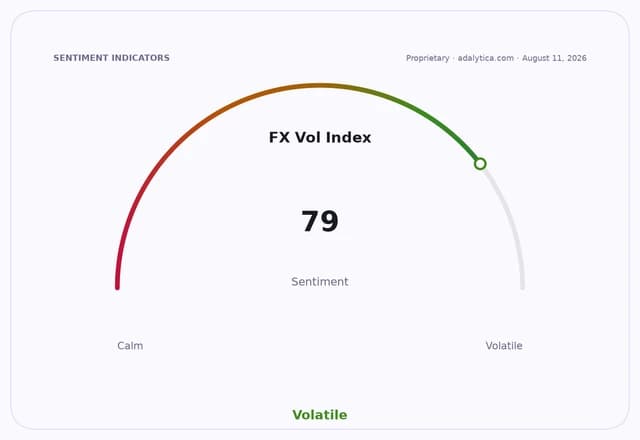
That backdrop is supportive for owners exposed to longer-haul routes and higher day rates, but it is a drag on charterers, cargo owners and regional ports that rely on predictable schedules. It also leaves investors watching for further restrictions from Ankara, any escalation in Black Sea attacks and whether shipping firms suspend more services or reroute fleets.
| Entity | Gains | Losses |
|---|---|---|
| Shipowners with war-risk exposure | ▲Higher freight and insurance pricing | ▼Safety and routing risk |
| Charterers and cargo owners | ▲Limited near-term supply flexibility | ▼Higher voyage costs |
| Filipino seafarers | ▲Government support and attention | ▼Exposure to conflict-zone operations |
| Black Sea trade routes | ▲Increased security focus | ▼Disruption, delays, rerouting |




