Turkey is easing financing conditions for businesses by raising credit limits and extending maturities, a move aimed at keeping corporate borrowing flowing as higher rates continue to squeeze small and mid-sized firms.
Turkey raises business credit limits, extends maturities
Trade Minister Ömer Bolat said the changes were made to make bank lending more accessible, underscoring Ankara’s effort to support activity without fully reversing its tighter monetary stance. The policy matters economically because credit availability is one of the fastest ways to influence working capital, hiring and inventories in an economy where firms are already facing elevated borrowing costs.
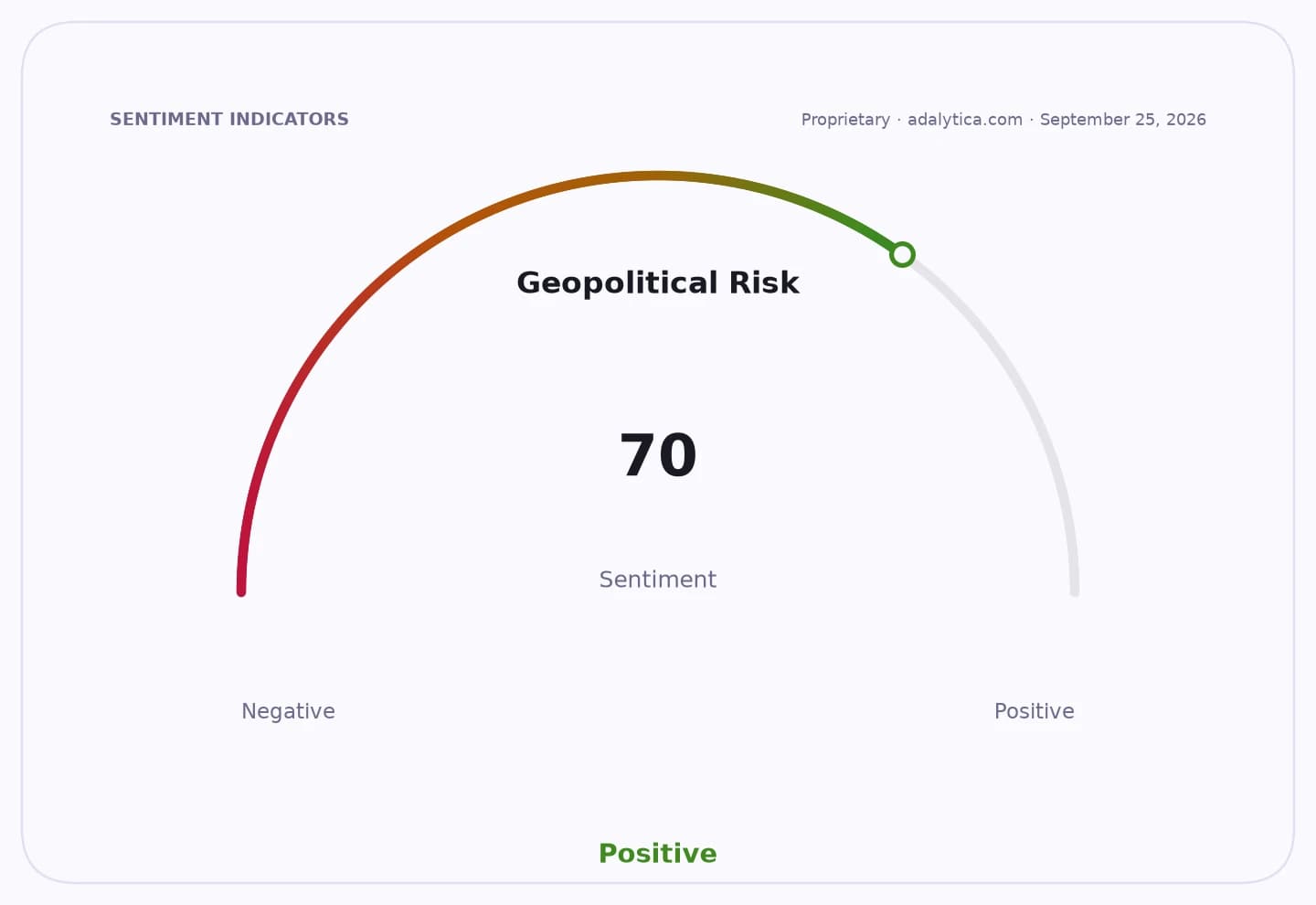
Sentiment IndicatorsⓘProprietary · adalytica.com · August 2, 2026
This is a snapshot — live sentiment, awareness and momentum for 130+ markets update continuously in the dashboard.Open AlphaPulse
The backdrop is a central bank policy rate of 3.63%, according to the data context, with the benchmark seen holding near that level in the near term, while unemployment stands at 4.2%. Even with labor-market conditions relatively stable, the cost of credit remains a constraint for companies that depend on short-term funding to bridge payrolls, imports and daily operations.
For investors, the change points to a more supportive environment for Turkish banks’ loan growth and for sectors that rely on financing, but it also raises questions about how much demand can be unlocked without adding pressure to the lira or stoking inflation. The lira has continued to weaken, with USD/TRY trading around 47.5, leaving foreign investors sensitive to any policy that could widen credit without a clear growth payoff.
Turkey’s broader business credit stock has been rising, reaching about 666.1 billion in the latest reading in the context data, suggesting there is already momentum in lending that policymakers want to preserve. That makes the latest move less about emergency stimulus than about preventing a credit slowdown from biting into domestic demand.
The next test is whether banks pass the easier terms through quickly and whether companies use the added room to invest rather than simply refinance existing debt. Traders will also watch for any response from the central bank and for signs that looser lending feeds back into inflation expectations or currency pressure.
| Entity | Gains | Losses |
|---|---|---|
| Turkish businesses | ▲Easier access to credit | ▼Less pricing power on borrowing |
| Turkish banks | ▲Loan growth, fee income | ▼Higher credit risk if demand weakens |
| Borrowers/importers | ▲Longer repayment runway | ▼Weaker lira funding burden |
| Lira bears / inflation hawks | ▲— | ▼More credit-led currency pressure |