Türkiye’s agriculture, mining and energy sectors are on track to generate a record US$57.2 billion in foreign exchange in 2026, a welcome boost for an economy that still leans heavily on imported energy and capital goods.
Turkey export FX inflows strengthen macro outlook
That matters because foreign-currency earnings are the lifeblood of Türkiye’s balance of payments. The more hard currency exporters bring in, the less pressure there is on the lira, inflation and the central bank’s reserves. When those earnings come from agriculture, mining and energy, they also support jobs, investment and tax revenue in sectors that ripple through the wider economy.
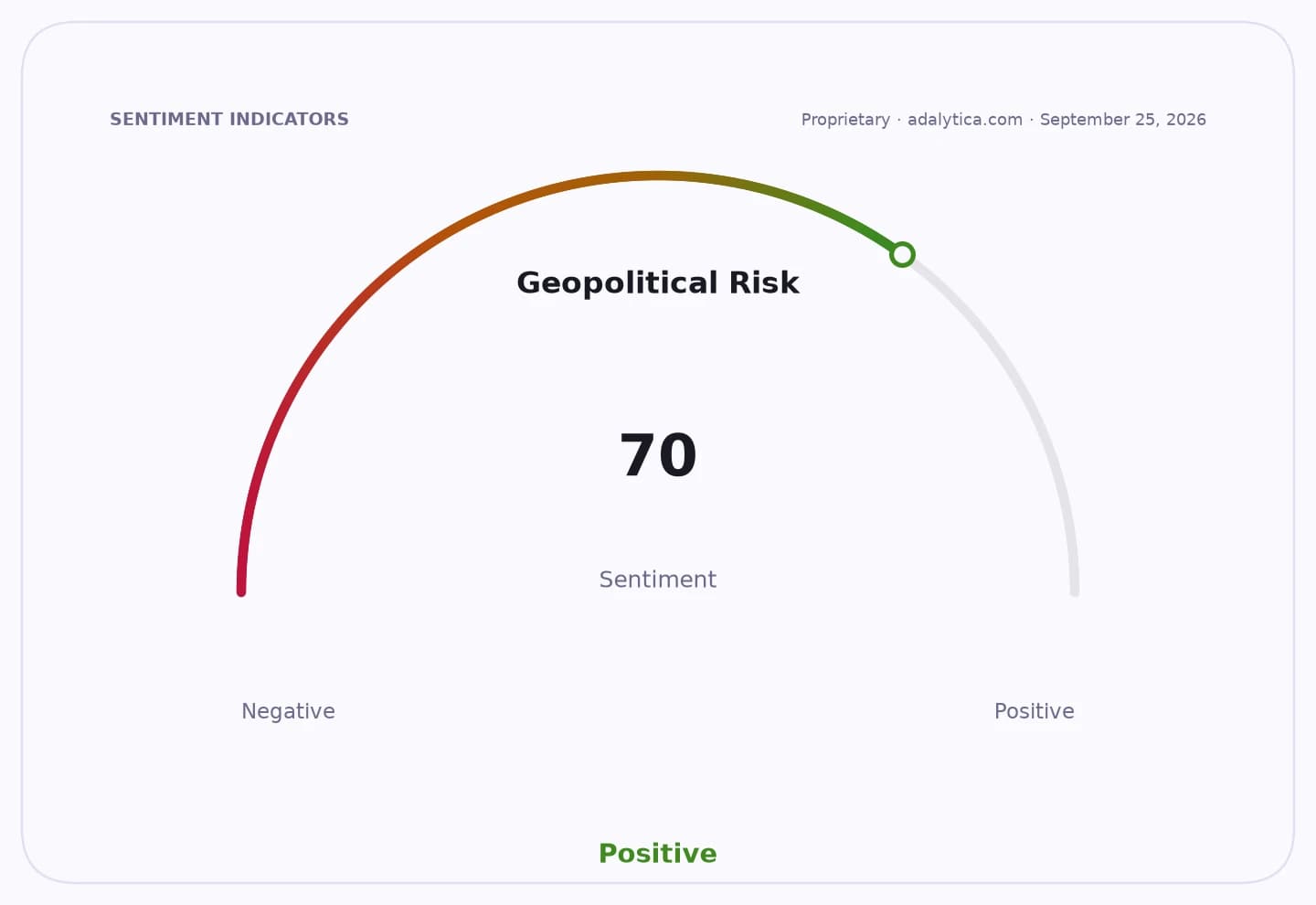
Sentiment IndicatorsⓘProprietary · adalytica.com · July 19, 2026
This is a snapshot — live sentiment, awareness and momentum for 130+ markets update continuously in the dashboard.Open AlphaPulse
The Central Bank of the Republic of Türkiye expects the dollar income to be even stronger in the second half of the year, which suggests the export picture is not just improving — it is accelerating. For investors, that is important because it points to a healthier external financing backdrop and a smaller need for policymakers to rely on short-term capital inflows to plug gaps. In plain English: a stronger export base can make the economy more resilient and the investment case more durable.
Energy is a particularly important piece of the story. Global crude prices have been volatile, with West Texas Intermediate swinging sharply in recent months, but oil near the high $70s still leaves room for meaningful foreign-exchange receipts. Commodity prices more broadly have also stayed elevated by historical standards, reinforcing the earnings power of miners and resource exporters even as world growth cools. That combination is helping Türkiye’s hard-currency generators do more of the heavy lifting.
There is also a broader structural shift underway. Export growth in many large economies has been slowing, which makes Türkiye’s ability to expand foreign-currency earnings more notable. The country is not just depending on old manufacturing channels; digital commerce and e-export are widening the reach of smaller producers and traders, giving the export story a more durable foundation over time. That does not replace agriculture, mining or energy — it complements them.
For long-term investors, the implication is straightforward: economies that can generate more foreign exchange tend to be less fragile during global stress. That can support everything from sovereign credit to corporate funding conditions and the earnings outlook for exporters. The risks are still real — commodity prices can reverse quickly, geopolitical tensions can disrupt trade, and currency gains can fade if policy slips — but the direction of travel is encouraging.
If Türkiye can keep converting its resource base and export channels into hard-currency income, this could become one of the more resilient macro stories in emerging markets. Investors should keep it on the watchlist, especially if the second half confirms the Central Bank’s expectation of stronger dollar inflows.
| Entity | Gains | Losses |
|---|---|---|
| Turkish exporters | ▲More foreign-currency revenue | ▼Less strain from lira weakness |
| Türkiye’s economy | ▲Stronger reserves and balance of payments | ▼Greater exposure if commodities fall |
| Importers and energy users | ▲Potentially more stable FX market | ▼Higher input-cost pressure |
| Commodity buyers abroad | ▲Reliable supply from Türkiye | ▼Facing firmer export pricing |