Trump’s rejection of Israeli Prime Minister Benjamin Netanyahu’s opposition to a possible F-35 sale to Turkey underscores how U.S. arms exports can still move on presidential discretion, not just allied objections — a reminder that the biggest beneficiary would be Lockheed Martin, while the biggest obstacle remains Turkey’s Russian S-400 defense system.
Turkey F-35 Talk Lifts Lockheed Outlook
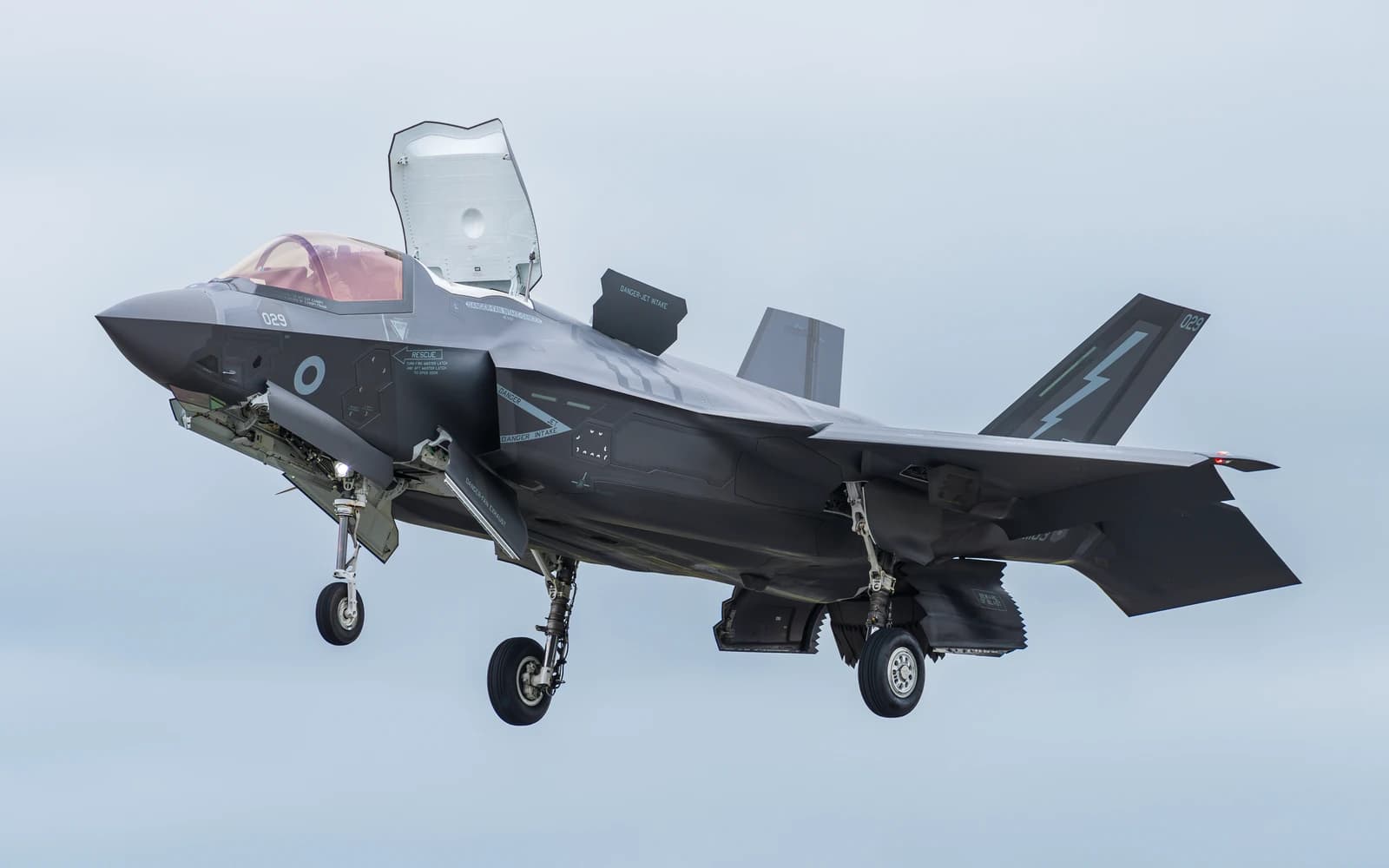
The comment matters economically because the F-35 is one of the Pentagon’s most important export programs and a high-value product for Lockheed Martin’s aeronautics unit. Any reopening of the Turkey pathway would reinforce demand for the stealth jet line, support long-cycle defense production and keep geopolitical risk translating into industrial revenue.
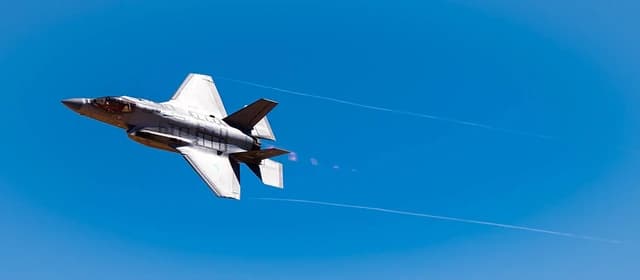
Investors have already been pricing in a stronger defense backdrop. Lockheed shares closed at $580 on July 27, up from $491.05 on June 24, and have traded well above the 50-day moving average of $523.61. The stock’s relative strength index was 68.9, while MACD remained positive, pointing to a technically firm trend as traders watched for fresh export or procurement catalysts.
The broader issue goes beyond one sale. Washington has long treated Turkey’s S-400 purchase as a barrier to F-35 access, and the dispute cuts into NATO politics, U.S.-Israel coordination and the balance of power in the Eastern Mediterranean and Middle East. For Turkey, the jets would modernize its air force; for Israel, the deal would raise concerns about regional military parity.
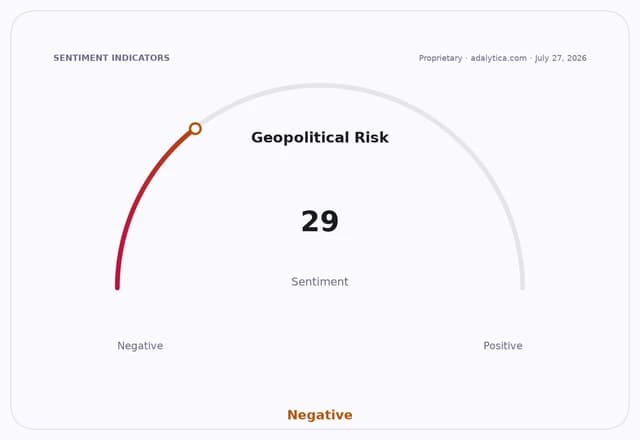
For Lockheed, the story is less about an immediate contract and more about the option value of policy. If the White House softens resistance or frames the issue as part of a wider reset with Ankara, the company could gain a new export opening. If the S-400 restriction stays in place, the headline still reinforces how defense contractors remain leveraged to presidential foreign-policy shifts as much as to budgets and earnings.
| Entity | Gains | Losses |
|---|---|---|
| Lockheed Martin | ▲F-35 export upside | ▼Policy uncertainty |
| Turkey | ▲Access to advanced jets | ▼S-400-related restrictions |
| Israel | ▲Regional air-power edge | ▼Pressure on security concerns |
| Russia | ▲Less Turkey-NATO alignment | ▼F-35 setback in Ankara |