Türkiye’s inflation outlook is proving stickier than investors had hoped, with Fitch Ratings and other major forecasters pointing to year-end price growth that remains high enough to keep the central bank under pressure and rates elevated for longer.
Turkey inflation stays sticky, keeping rates high
That matters because Turkey’s disinflation path is the key test of whether policy tightening has begun to restore macro stability after years of currency weakness and price surges. If inflation stays near the upper 20s into year-end, as JPMorgan now expects at 29%, real borrowing costs remain deeply restrictive, domestic demand cools only gradually and the lira remains vulnerable to any loss of policy credibility.
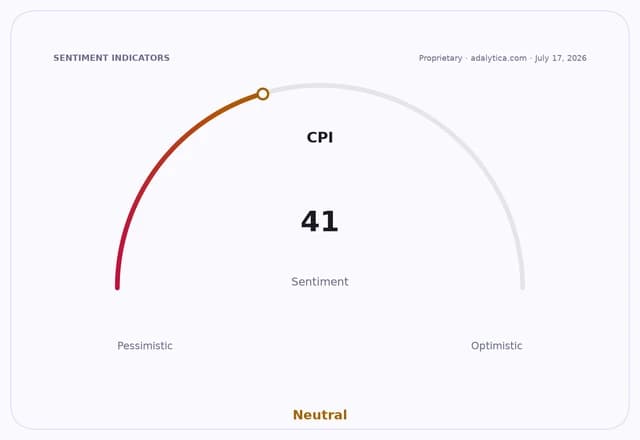
The latest forecasts also underscore how difficult it will be for Ankara to engineer a soft landing. JPMorgan now sees 2026 growth at 3.0%, a pace that is respectable on paper but modest given the economy’s inflation history and the scale of tightening still being absorbed. Its call for the policy rate to hold at 35% suggests the central bank is likely to keep financial conditions tight even as growth slows, a stance aimed at anchoring expectations rather than supporting activity.
Markets have already started to reflect that tension. The Turkish lira has shown little sign of sustained relief, while Turkey-linked assets remain sensitive to every shift in the inflation narrative. Investors in Turkish equities and debt are effectively being asked to bet on two things at once: that policy stays disciplined enough to keep disinflation moving, and that growth does not deteriorate so sharply that it forces an earlier policy reversal.
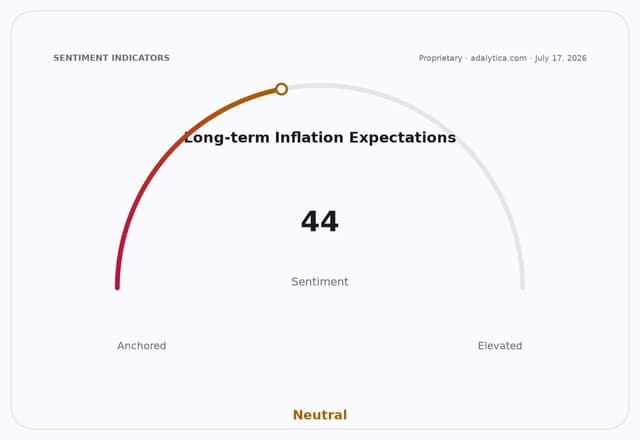
That is where the significance of the Fitch move lies. Rating agencies are not setting rates, but their judgments shape funding costs, sovereign risk perceptions and access to international capital at a time when Turkey still needs credible external financing. A higher-than-expected year-end inflation view implies that the rebalancing story remains incomplete and that the burden of proof is still on policymakers to show inflation can fall without a renewed lira setback.
For investors, the implications are straightforward. Bulls will argue that a prolonged period of tight policy is exactly what Turkey needs to break inflation psychology and rebuild confidence in local assets. Bears will counter that a 35% policy rate and near-30% inflation leave little room for earnings expansion, increase refinancing pressure on corporates and keep sovereign and currency risk elevated.
The next catalyst is whether incoming inflation data and central bank communication reinforce the case for a steady disinflation trend. Until then, Turkey remains a market where the most important variable is not growth, but whether policymakers can convince investors that high inflation is finally being brought under control.
| Entity | Gains | Losses |
|---|---|---|
| Inflation hawks | ▲Stronger case for tight policy | ▼ |
| Turkish central bank credibility | ▲ | ▼Weaker if disinflation stalls |
| Local savers in lira assets | ▲Higher real returns if inflation falls | ▼ |
| Borrowers and rate-sensitive sectors | ▲ | ▼Higher financing costs |