Turkey’s opposition is heading into a high-stakes funding battle, with the key question now whether the new party associated with CHP leader Özgür Özel can qualify for Treasury aid under rules that have long shaped the country’s political contest.
Turkey opposition funding battle lifts political risk

That matters because public financing is not just a legal formality in Turkey. Treasury aid can determine whether a party can build local organizations, campaign nationally and survive the expensive run-up to elections. In a political system where incumbents already enjoy a powerful administrative advantage, access to state funds can decide whether a splinter group becomes a durable force or remains a short-lived protest vehicle.
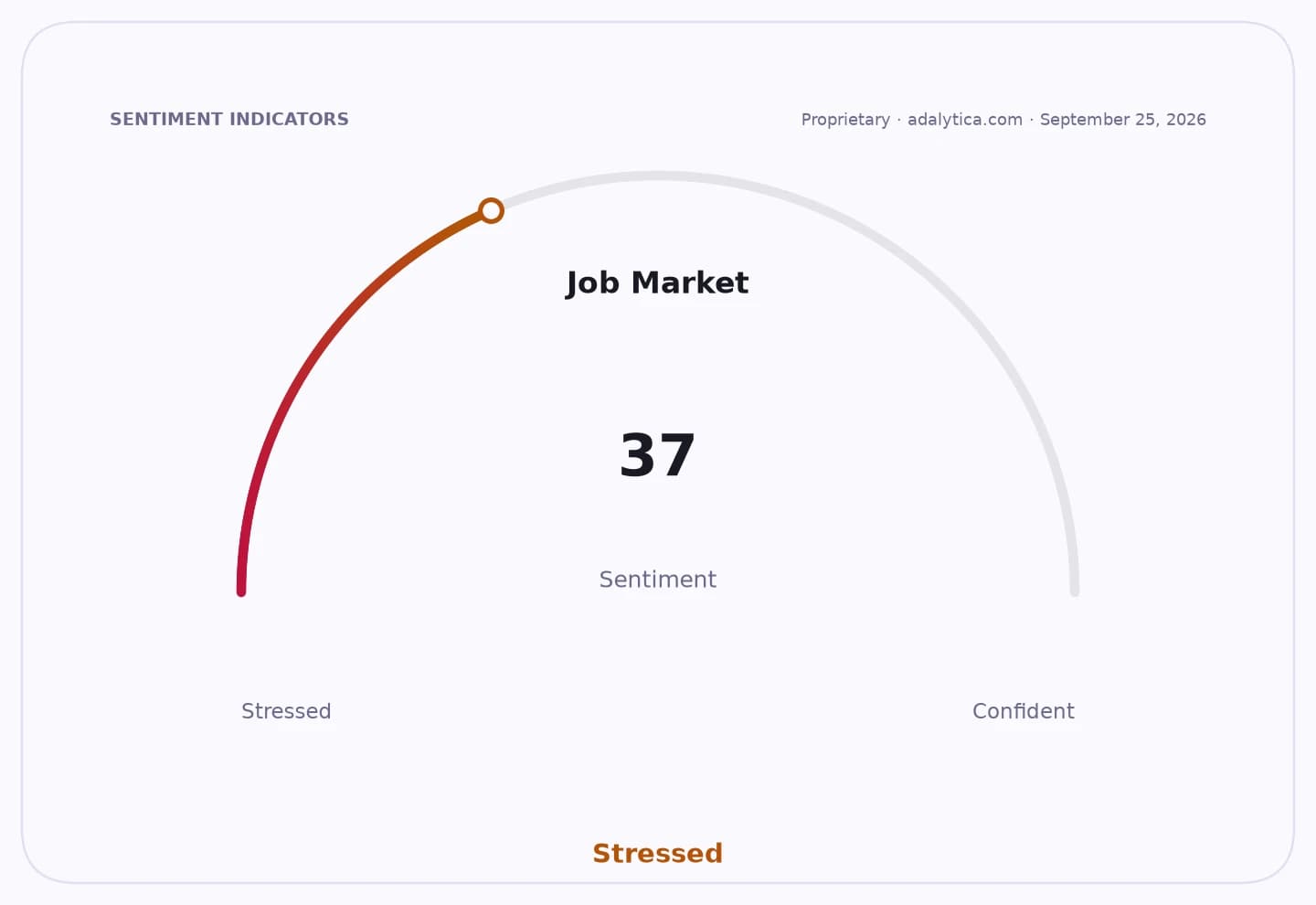
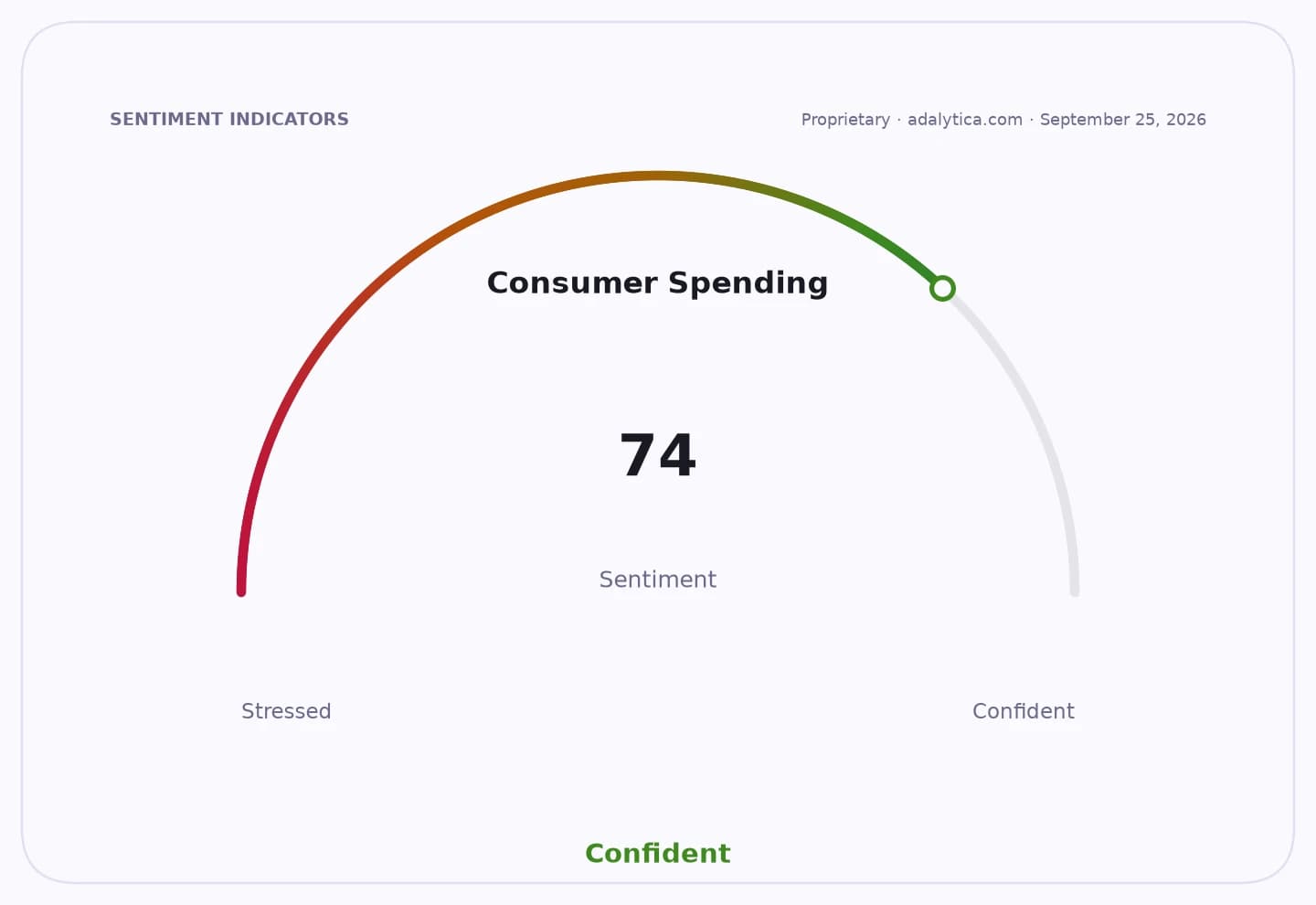
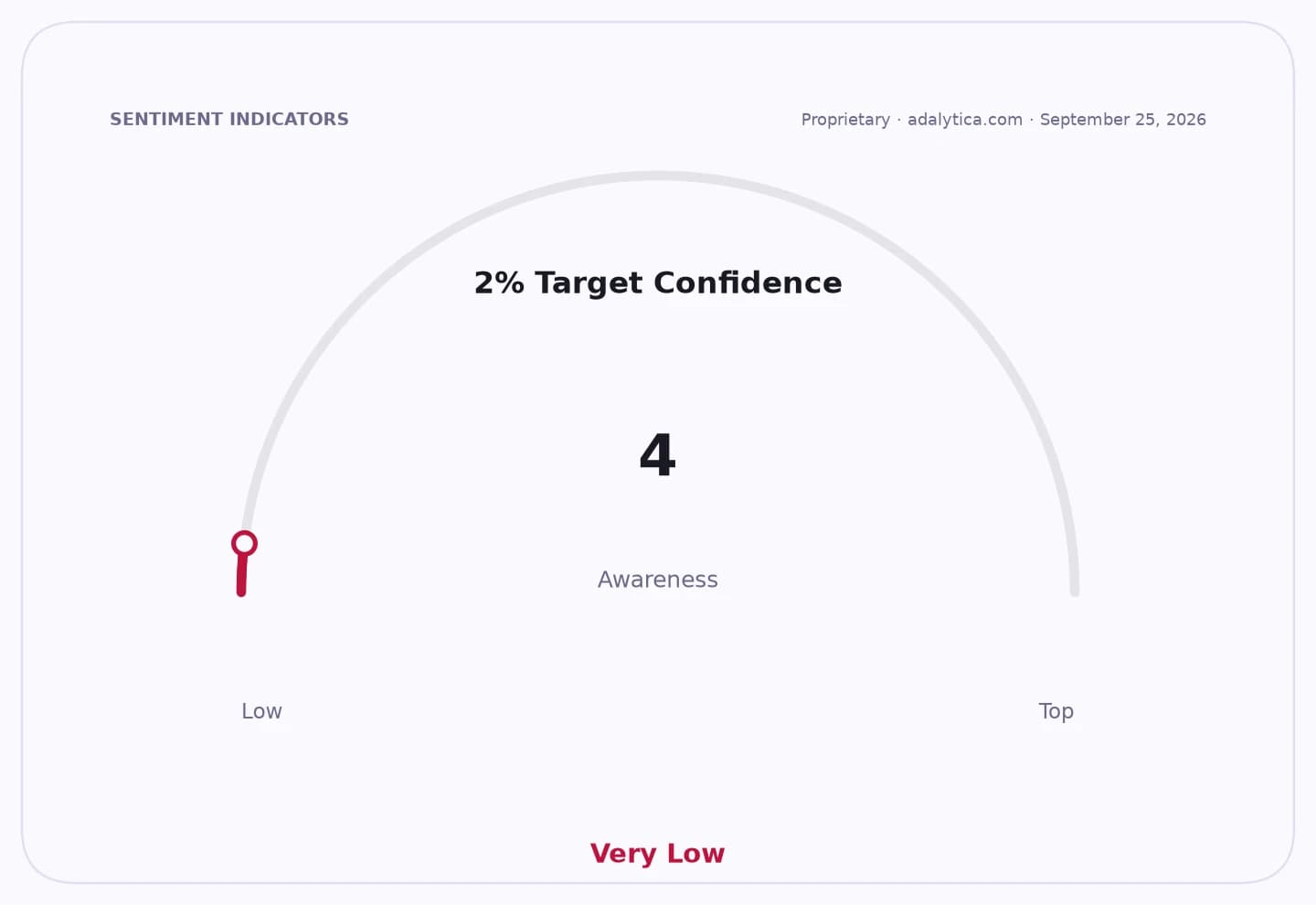
Sentiment IndicatorsⓘProprietary · adalytica.com · July 22, 2026
This is a snapshot — live sentiment, awareness and momentum for 130+ markets update continuously in the dashboard.Open AlphaPulse
The immediate issue is whether Özel’s new political vehicle, if formally established, can clear the statutory thresholds for public funding and recognition. Turkey’s financing rules generally reward parties with a national footprint and parliamentary or electoral strength, which makes it difficult for a newly formed party to tap Treasury resources quickly. That is why the debate is not just about one organization’s paperwork but about the mechanics of opposition fragmentation at a time when Turkey’s political landscape is already strained.
Investors tend to treat such developments as a proxy for institutional stability. A credible new opposition formation could complicate President Recep Tayyip Erdoğan’s governing coalition, but it could also split anti-government votes and weaken the largest opposition bloc, with implications for municipal politics, reform prospects and policy continuity. For markets, fragmentation in the opposition can be read two ways: it may extend the status quo by reducing electoral pressure on the government, or it may increase policy uncertainty if rival camps battle over the same voter base.
That uncertainty sits against a backdrop of persistent sensitivity in Turkey’s asset prices. The lira has remained under pressure even as technical indicators on TRY=X show the currency trading near the upper end of its recent range, with the latest reading at 47.22 per dollar and the 50-day and 200-day moving averages both still pointing to a weaker currency trend. The Turkish equity market has also been volatile, with TURB’s sharp swings and TUR’s uneven recovery underscoring how quickly investors reprice political risk when domestic politics becomes a market variable.
Adalytica’s Treasury Purchase Sentiment Outlook remains elevated at 82, described as “Greed,” suggesting a strong market appetite for the political narrative around Treasury-backed funding and any sign that the state may be used to shape the opposition field. But the same data also show awareness slipping 11 points on the day, a sign that the issue is still evolving and that traders have not settled on a single interpretation. Financial system liquidity sentiment is neutral, which implies the market is not pricing a broader funding shock, but it is watching for any spillover into banks, state-linked equities or the lira.
For Özel, the strategic benefit of a new party would be to broaden the opposition’s reach and create leverage against rivals inside and outside parliament. The downside is obvious: without Treasury aid, the party would be forced to rely on donations, volunteer networks and media attention, all of which are harder to scale quickly. If aid is granted, it could legitimize the new formation and give it immediate operational capacity; if denied, it would reinforce the barriers facing challengers in Turkey’s political financing system.
The next market-relevant catalyst is whether the party is formally registered and how election authorities interpret its eligibility for state support. Until then, investors will be less focused on the party’s ideology than on a simpler question: does this create a more competitive political system, or merely another fragment in an opposition landscape already divided by access to money and power?
| Entity | Gains | Losses |
|---|---|---|
| Özgür Özel’s new party | ▲State funding access | ▼Startup funding gap |
| CHP leadership | ▲Broader reach | ▼Internal fragmentation |
| Incumbent government | ▲Opposition split | ▼Stronger unified challenger |
| Investors in Turkey assets | ▲Clarity on political risk | ▼Policy uncertainty if contest widens |