Turkey’s pension superintendency has raised the withdrawal rate for the third quarter to 3.45%, a modest increase that matters because it points to a higher cash burden on retirees at a time when inflation and real incomes remain politically sensitive.
Turkey Raises Pension Withdrawal Rate for Q3
The new rate, up 0.14 percentage points from the January-to-June period, will determine how much pension income can be drawn over the quarter and therefore how quickly retirement savings are depleted. For households already facing elevated living costs, even a small adjustment can affect monthly budgeting, consumer spending and demand for defensive savings products.
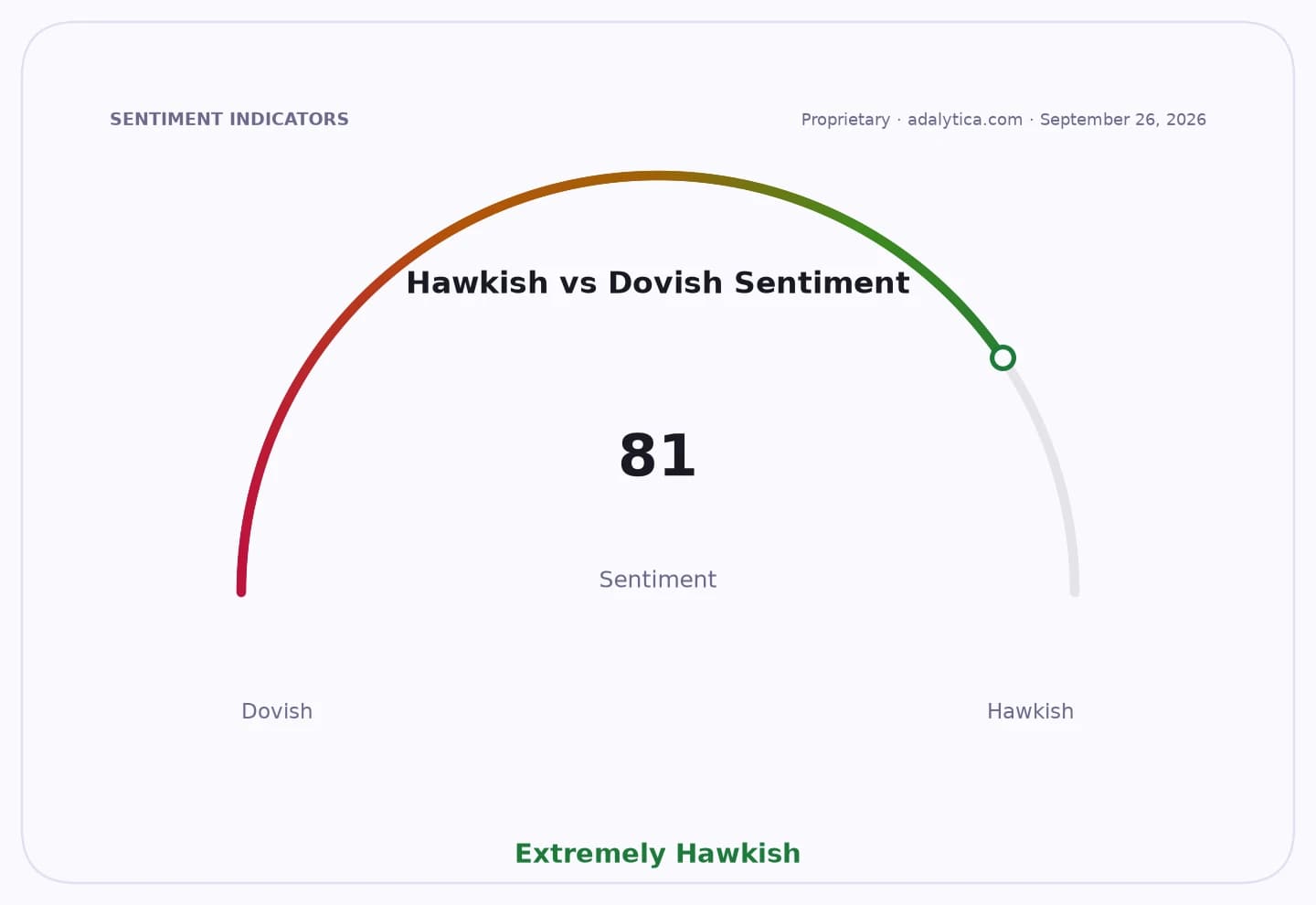
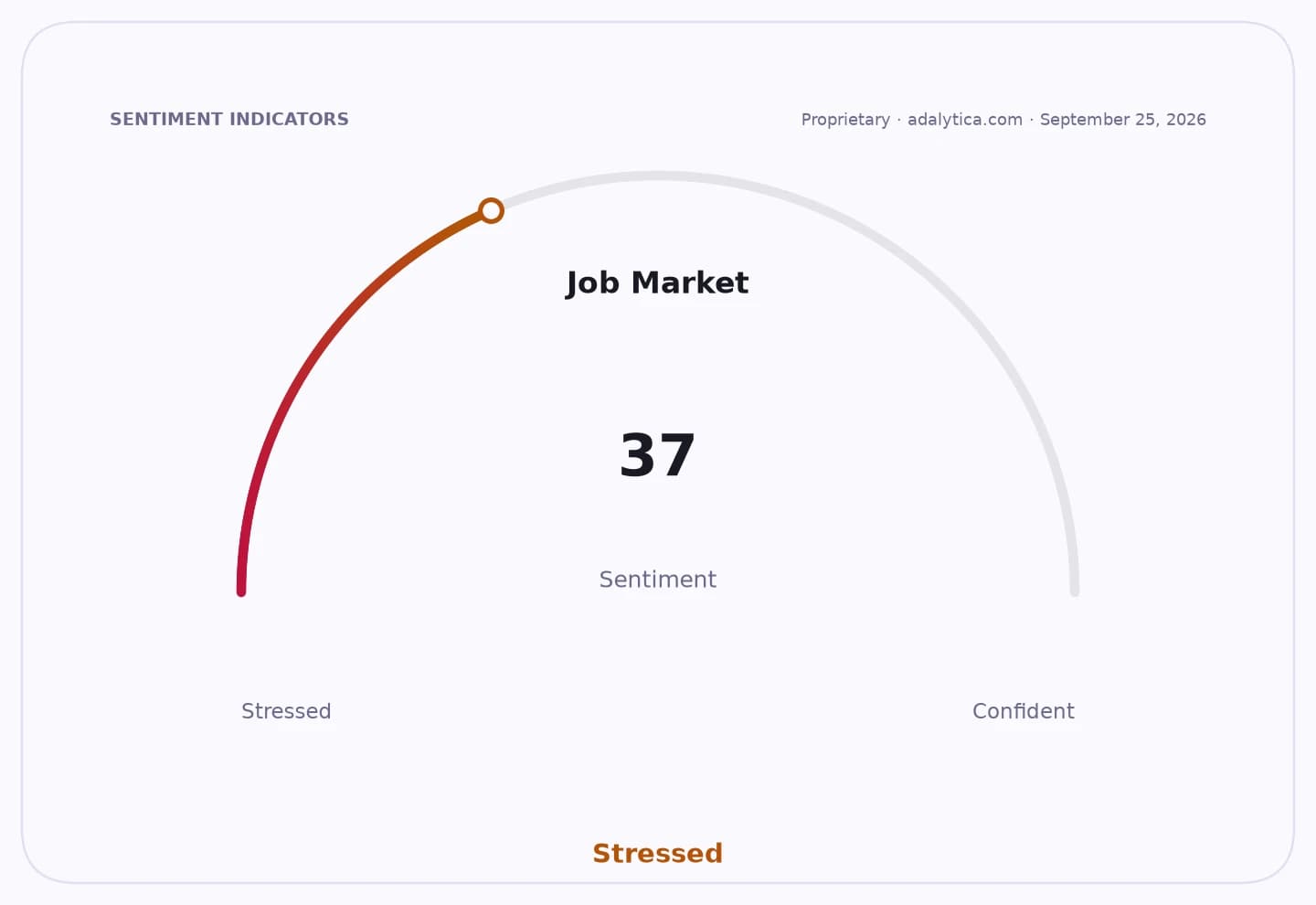
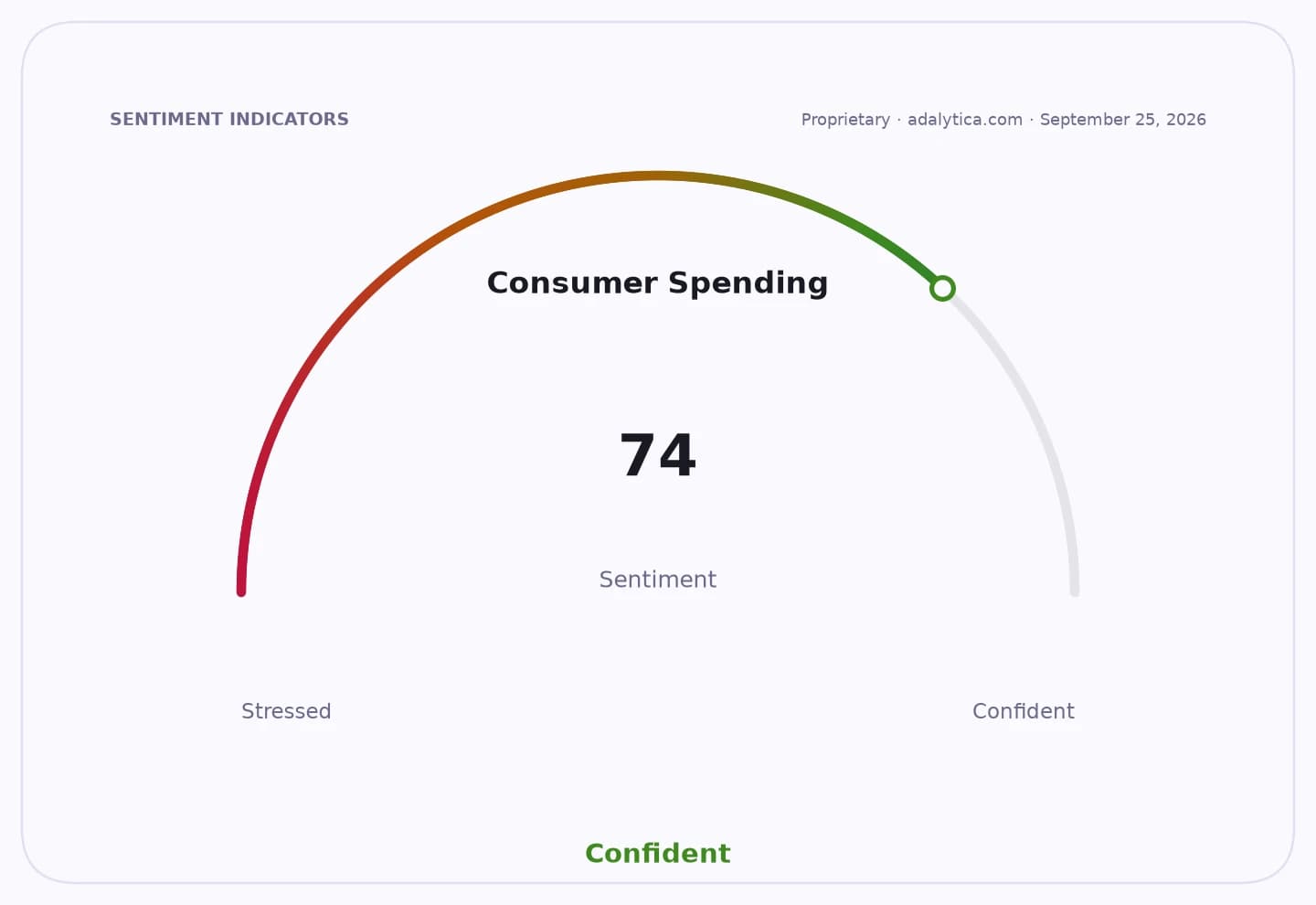
Sentiment IndicatorsⓘProprietary · adalytica.com · July 21, 2026
This is a snapshot — live sentiment, awareness and momentum for 130+ markets update continuously in the dashboard.Open AlphaPulse
The move also highlights a broader policy trade-off: authorities are trying to maintain the purchasing power of retirees through pension adjustments while preserving the sustainability of the system and limiting fiscal pressures. That balancing act is especially important in economies where pensioners make up a large and politically influential constituency and where consumer demand is closely tied to public transfers.
For investors, the immediate relevance is less about the rate itself than what it signals about the path of household liquidity and domestic demand. A higher withdrawal rate can support near-term spending by retirees if it reflects larger balances or revised payout assumptions, but it can also indicate faster drawdown of assets, which is negative for long-duration pension portfolios and firms that manage retirement money.
The policy backdrop is one of continued pension recalibration. Recent changes to minimum pensions and other retirement benefits suggest authorities are still working through distributional pressures, with the next round of payments likely to keep the issue in focus. That may support consumption in the short run, but it also raises questions about how much relief can be delivered without worsening longer-term funding stress.
The market implication is that pension policy is becoming a more important macro variable. If retirement withdrawals rise while rates stay restrictive, the effect can be mixed: some support for spending, but less room for savings accumulation and potentially more volatility in household asset flows. That makes the third-quarter adjustment a small but telling indicator of where policy and private balance sheets are headed.
| Entity | Gains | Losses |
|---|---|---|
| Retirees | ▲Higher cash access | ▼Faster drawdown risk |
| Consumer staples sellers | ▲Steadier demand | ▼Limited |
| Pension asset managers | ▲More attention to flows | ▼Longer-duration fund pressure |
| Treasury/fiscal authorities | ▲Short-term social relief | ▼Higher policy burden |