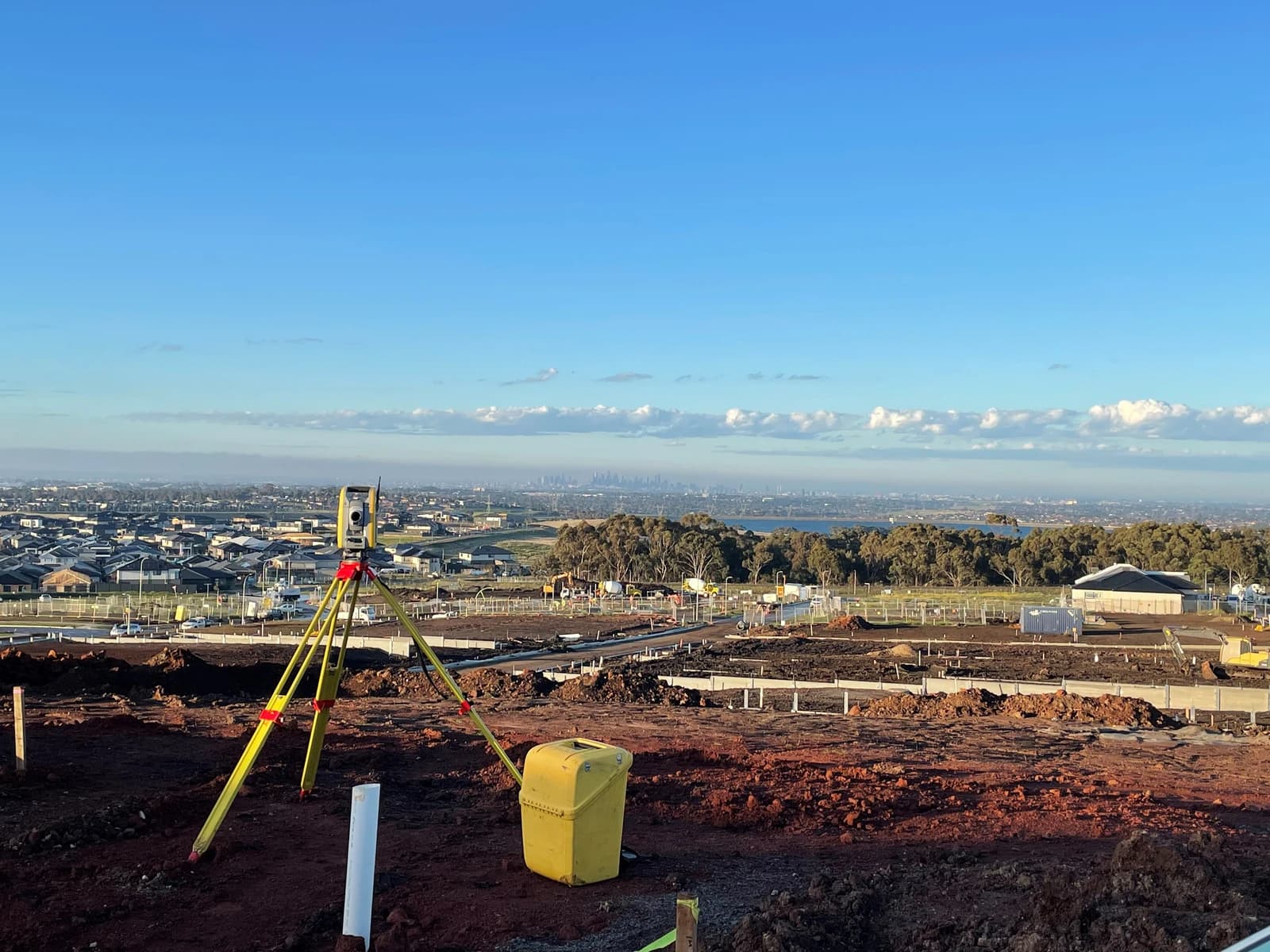
Turkey’s property market is entering a more contested phase as court-backed rights to challenge cadastral values and a pending legislative overhaul raise the stakes for valuations, taxes and transaction pricing.
Turkey Property Reform Raises Valuation Uncertainty
That matters because cadastral values are not a technical footnote: they help determine how much owners pay in property-related charges and how buyers and sellers anchor prices. If more citizens and investors can successfully dispute those assessments, the result could be lower tax burdens for some owners, but also a wider wave of valuation challenges, slower deal execution and more uncertainty around asset pricing in a market already struggling with trust issues.
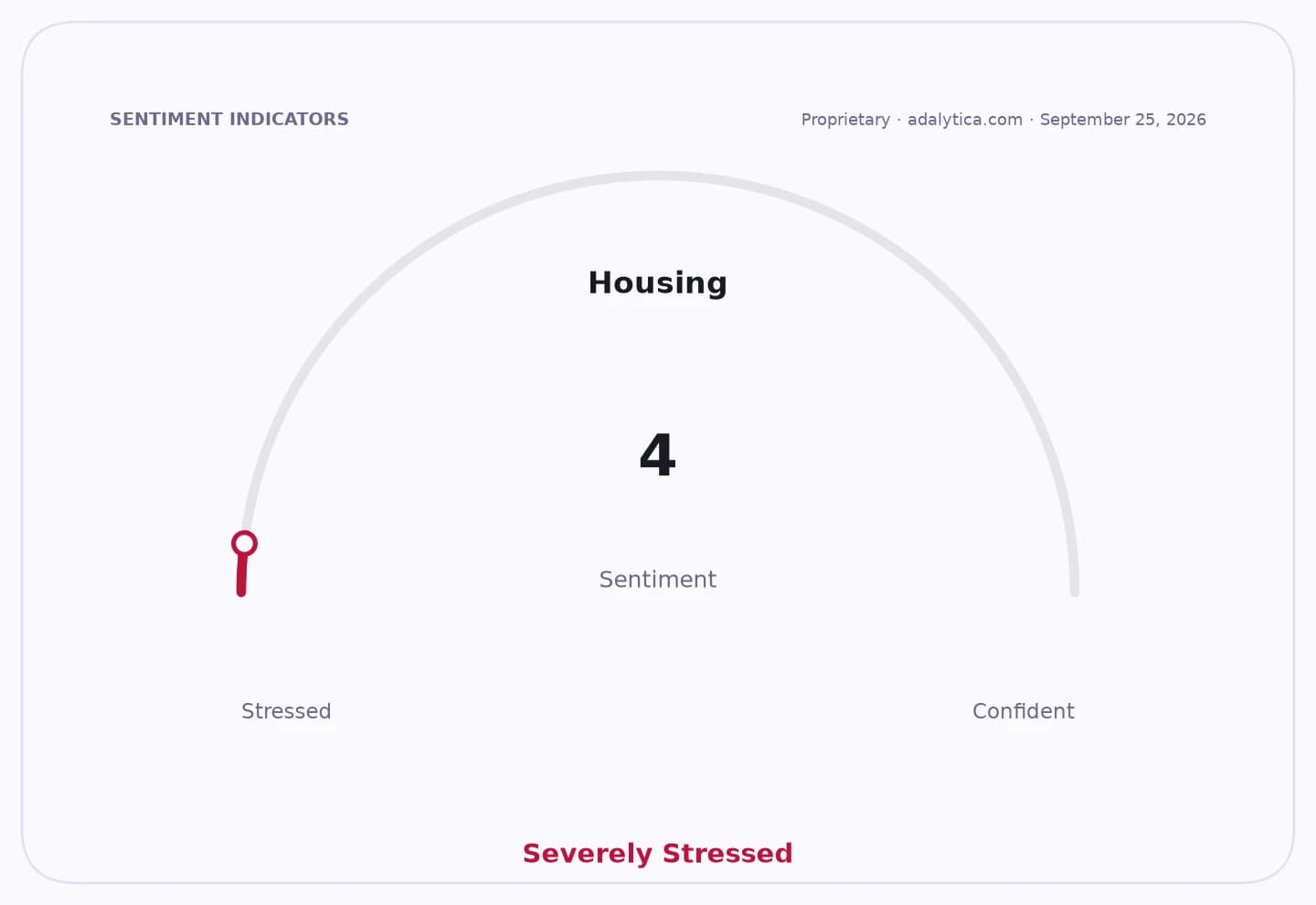
The economic significance extends beyond individual disputes. Real estate remains one of Turkey’s key stores of wealth and a major channel for household balance sheets, rental income and capital allocation. A clearer legal framework could improve transparency and support transactions over time, but in the near term the combination of judicial expansion and draft legislation points to a sector still working through fraud concerns, inconsistent assessments and regulatory ambiguity.
Investors are watching for two competing effects. The bull case is that reform can reduce legal risk, strengthen buyer protections and make the market more investable, especially if the government follows through with rules that are seen as predictable and enforceable. The bear case is that a flood of challenges to cadastral values could create administrative bottlenecks, pressure municipal revenues and complicate pricing for developers, landlords and lenders.
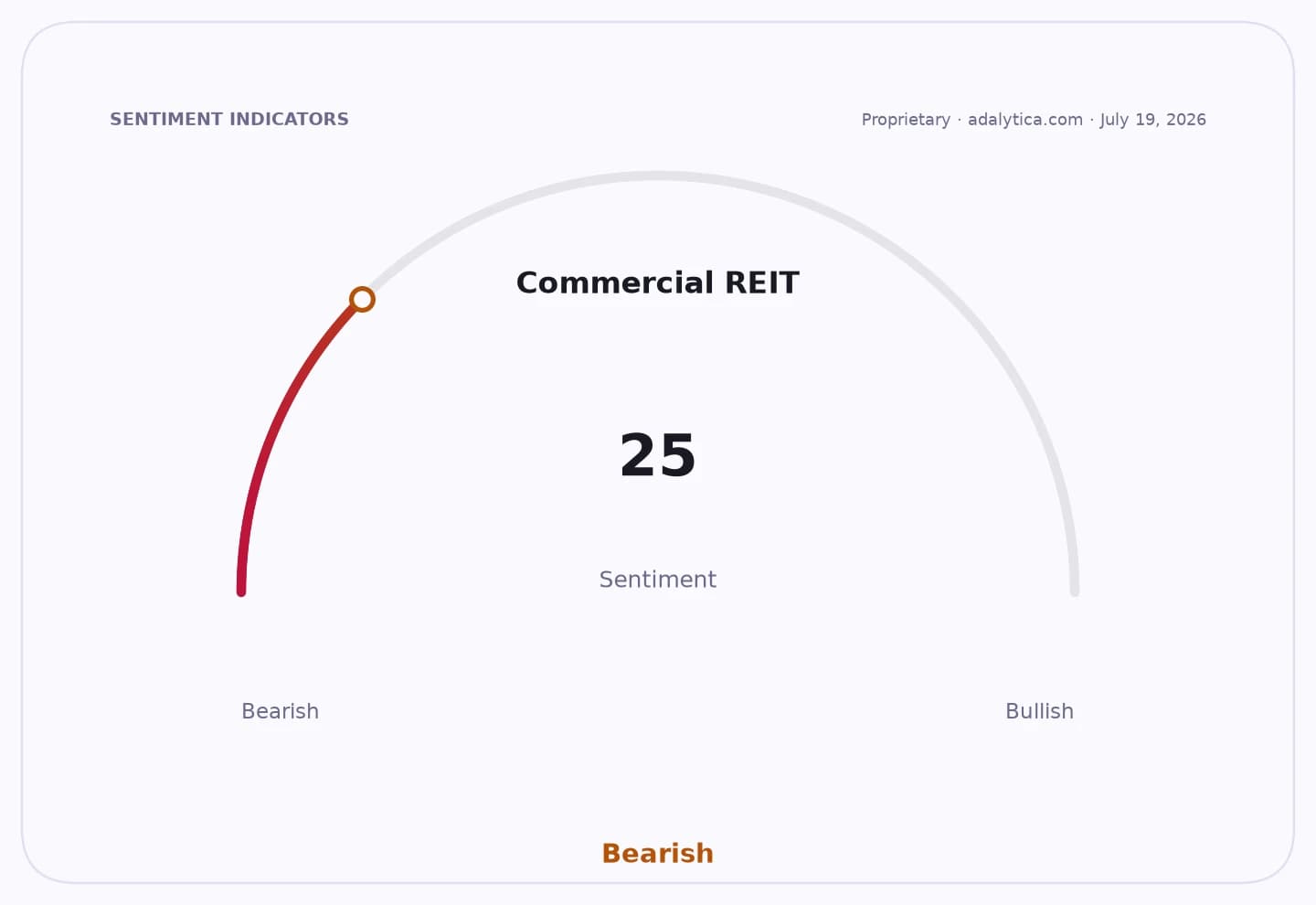
Market signals point to a sector caught between fear and speculation. Adalytica’s Commercial REIT Sentiment gauge shows fear at 25, even as awareness sits at 85, suggesting the issue is attracting attention but not confidence. Standard technical indicators on broad real estate ETFs also show the sector has recovered from earlier weakness, with VNQ and peers trading above their 50-day and 200-day moving averages. That resilience, however, looks more like a bid for property exposure than a clean read-through on Turkey’s legal environment.
The broader narrative is that Turkey is trying to rebuild confidence in real estate by tightening the rulebook and giving owners more legal leverage over assessments, but the process itself may expose how much opacity has been priced into the market. For investors, the key question is whether reform reduces friction fast enough to support transaction volumes, or instead widens the gap between nominal valuations and what buyers are willing to pay. The next catalysts will be the shape of the draft law, how aggressively courts hear disputes and whether tax authorities and municipalities can adapt without creating new delays.
| Entity | Gains | Losses |
|---|---|---|
| Property owners | ▲Lower assessed taxes | ▼Higher legal complexity |
| Buyers and investors | ▲Better transparency | ▼Near-term pricing uncertainty |
| Municipalities | ▲Cleaner valuation system | ▼Potential revenue pressure |
| Developers and REITs | ▲Stronger trust over time | ▼Slower transactions now |