Turkey’s central bank is widely expected to trim interest rates again, but the market is pricing the move as a test of whether policymakers can ease without reigniting inflation or destabilizing the lira.
Turkey Rate Cut Risks Pressure Lira

That tension matters because Turkey is trying to lower borrowing costs after a long spell of tight policy, yet the recent jump in long-dated US yields and persistent concerns over inflation leave little room for missteps. The 10-year US Treasury yield has climbed to about 4.64%, while the 2-year is near 4.28%, underscoring a still-elevated global rate backdrop that keeps pressure on emerging-market monetary policy and capital flows. For Turkey, where the currency remains highly sensitive to rate expectations, the cost of sounding too dovish could show up quickly in the foreign-exchange market and in local bond prices.
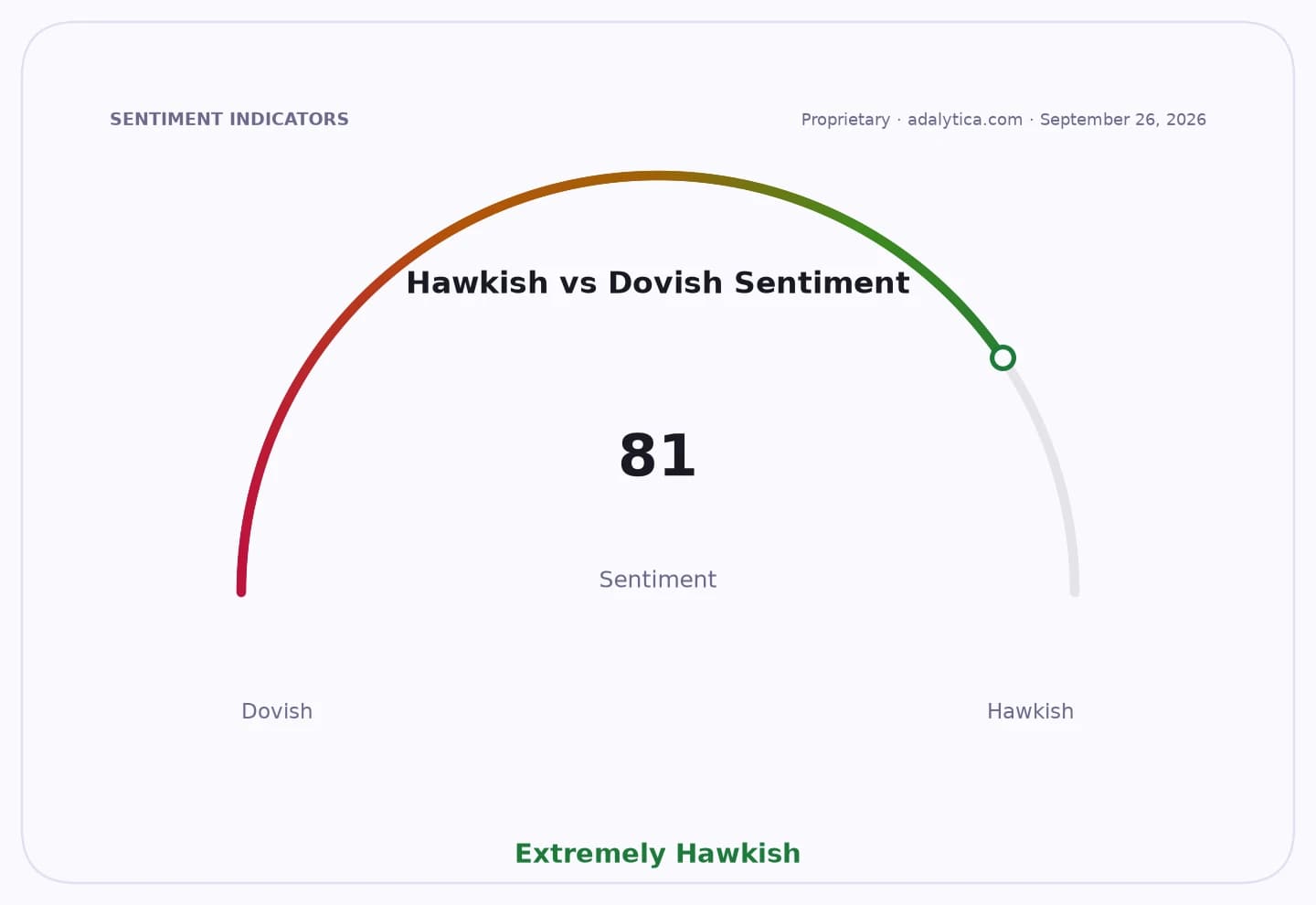
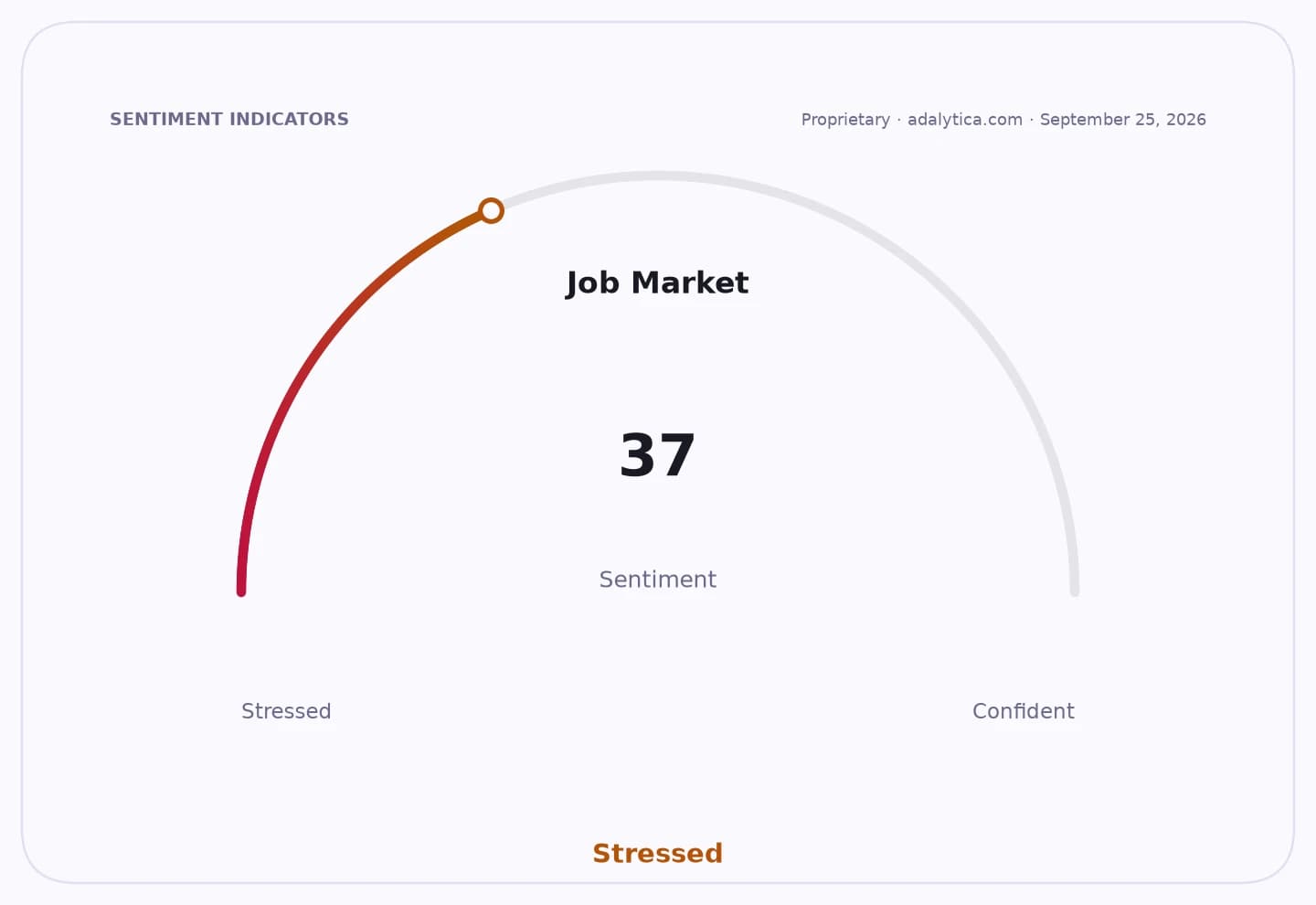
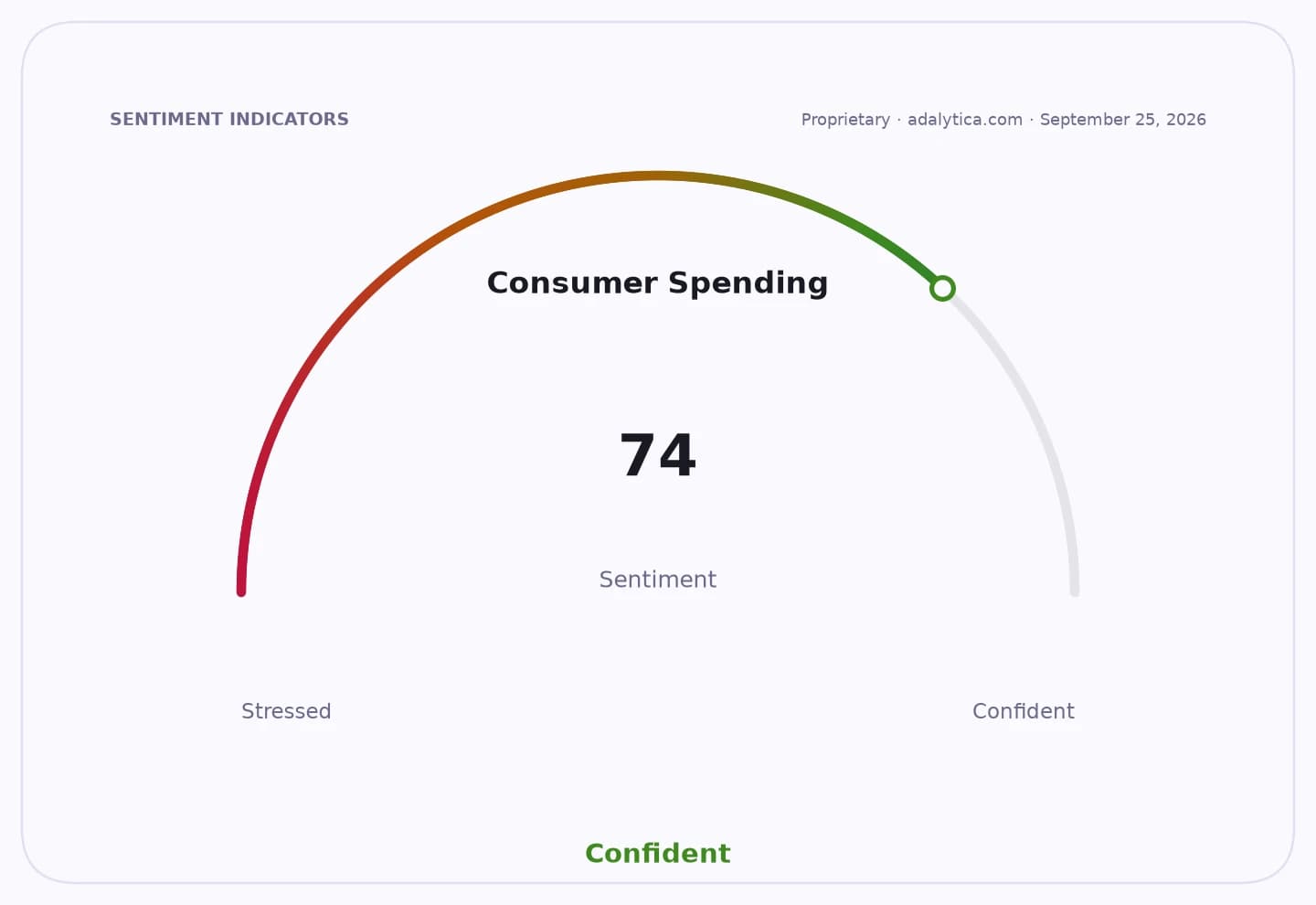
Sentiment IndicatorsⓘProprietary · adalytica.com · July 23, 2026
This is a snapshot — live sentiment, awareness and momentum for 130+ markets update continuously in the dashboard.Open AlphaPulse
The lira has continued to weaken gradually, trading around 47.23 per dollar in the latest data, which suggests investors still demand a large premium to hold Turkish assets. Technical readings also point to a market that is stretched rather than calm: the currency has been trading above both its 50-day and 200-day moving averages, with momentum indicators such as RSI at extreme levels. That does not by itself predict a reversal, but it does show how aggressively the market has already repriced Turkey’s monetary stance.
For investors, the issue is less whether the next rate decision is a cut and more whether the central bank keeps enough credibility to preserve disinflation. Adalytica’s inflation-related signals show confidence in the Fed’s 2% target and longer-term inflation expectations under strain, a reminder that inflation anchors remain fragile globally even before considering Turkey’s much more volatile backdrop. In Turkey, where policy mistakes tend to transmit rapidly into currency weakness and higher import prices, the balance between growth support and price stability is unusually narrow.
That makes the upcoming decision important for both domestic assets and broader emerging-market sentiment. A cautious cut could support Turkish equities and rate-sensitive sectors without shocking the lira. A larger or poorly signaled move, however, would likely pressure the currency, push local yields higher and revive the old pattern in which easing feeds inflation rather than growth.
The most important catalyst is not the cut itself, but the central bank’s guidance. If policymakers frame easing as gradual and data-dependent, investors may give them room to lower rates further. If they sound eager to accelerate, the market is likely to test them immediately.
| Entity | Gains | Losses |
|---|---|---|
| Turkish borrowers | ▲Lower financing costs | ▼Higher inflation risk |
| Turkish central bank | ▲Room to support growth | ▼Credibility if easing too fast |
| Lira bears | ▲More volatility | ▼Currency stability if policy stays tight |
| Local bondholders | ▲Potential capital gains | ▼Losses if yields rise |