New wheat varieties are being planted in Denizli as growers and policymakers try to offset the rising cost of weather volatility, weak milling demand and a tighter global grain balance.
Turkey Wheat Upgrades Aim to Ease Supply Strains
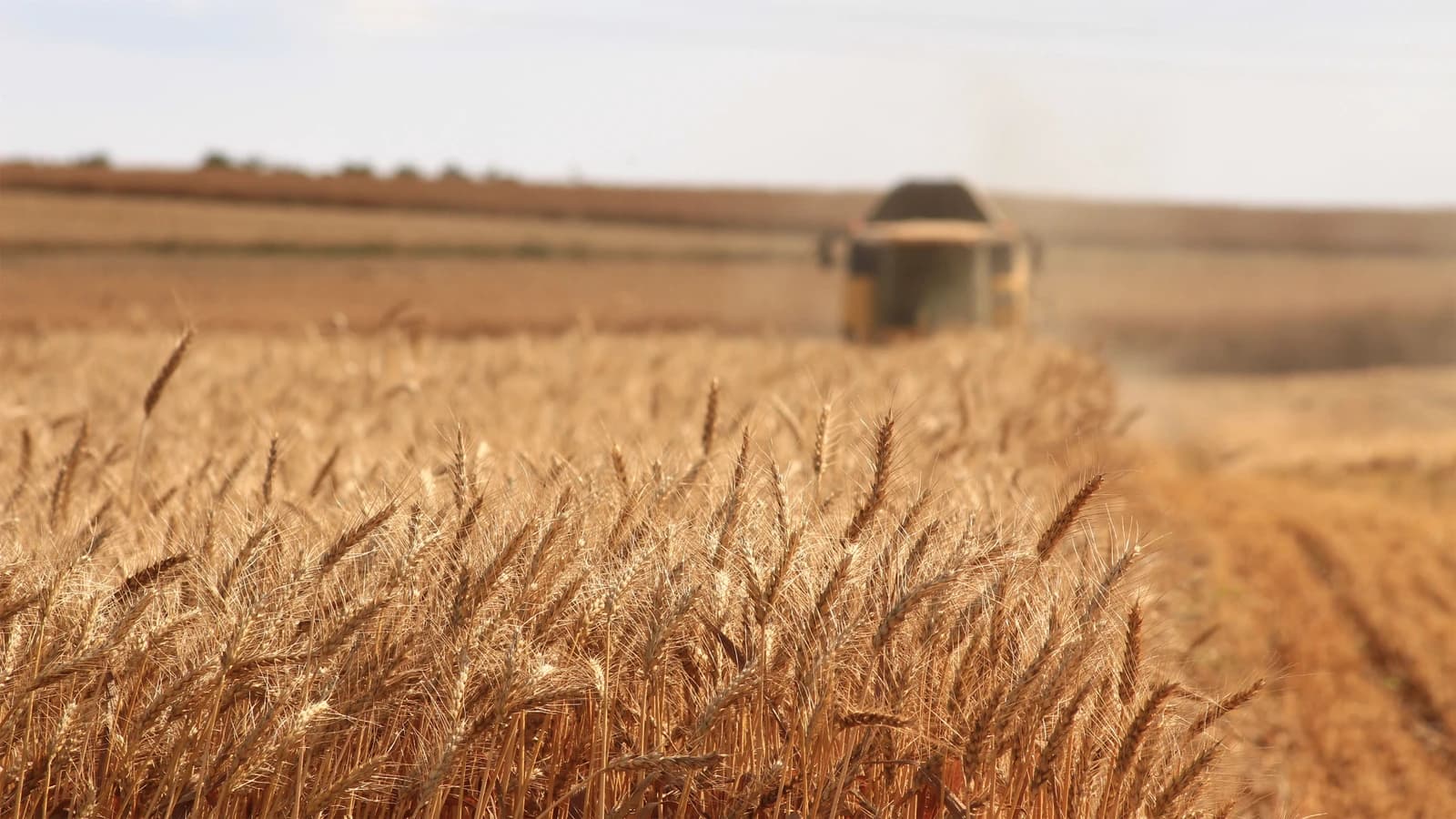
The significance goes beyond one Turkish province. Introducing hardier varieties is a direct response to a supply chain that is becoming more fragile, from field to mill to consumer. In a year when wheat output has been buffeted by heat, localized losses and quality concerns, the ability to maintain yields and improve drought tolerance matters for food inflation, farmer incomes and import needs.
Sentiment IndicatorsⓘProprietary · adalytica.com · July 28, 2026
This is a snapshot — live sentiment, awareness and momentum for 130+ markets update continuously in the dashboard.Open AlphaPulse
For investors, the shift is a reminder that agricultural resilience is increasingly a market theme, not just an agronomy story. Better-adapted wheat can support milling volumes, reduce reliance on emergency imports and ease pressure on flour prices if adoption is broad enough. It also creates a bifurcation between regions and suppliers able to scale climate-resilient seed and those still exposed to falling output and higher input costs.
That backdrop helps explain the broader tone in grain markets. Wheat-linked ETFs have been firm but volatile, with WEAT still trading above both its 50-day and 200-day moving averages even after a recent pullback from July highs. The recent fade in momentum, reflected in easing RSI readings after an overbought stretch, suggests traders are watching whether tighter supply can sustain prices or whether better planting conditions and improved varieties will eventually cap the rally.
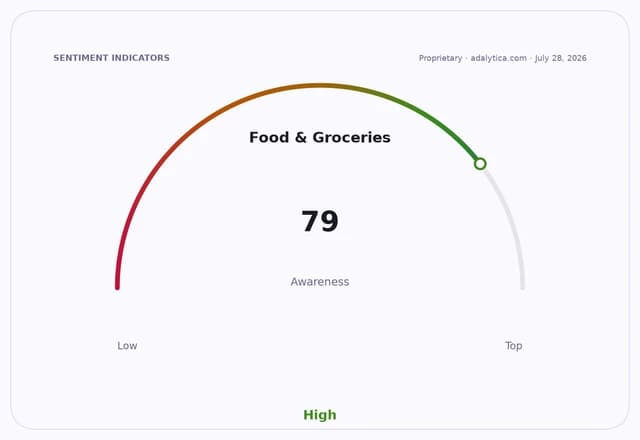
The story also connects to global food demand. Adalytica’s Food and Grocery Spending Sentiment gauge has slumped into “Extreme Fear,” signaling household caution even as awareness remains high. That combination is often associated with pressure on packaged-food margins, mills and retailers, which face the choice between passing through higher grain costs or absorbing them.
The bull case for new varieties is straightforward: higher yields, better drought tolerance and less quality loss can stabilize production in a region where weather shocks are becoming more frequent. The bear case is that seed innovation takes time, adoption can be uneven, and improved varieties alone may not offset farm-level strains such as financing, machinery losses and miller reluctance to buy.
For now, Denizli is a local sign of a wider agricultural pivot. If the new wheat performs as intended, it could support Turkey’s domestic supply balance and help contain downstream price pressure. If it disappoints, the market will remain exposed to the same mix of volatile harvests, import dependence and food-cost inflation that has already unsettled grain traders and consumers alike.
| Entity | Gains | Losses |
|---|---|---|
| Farmers adopting new wheat varieties | ▲Higher yield resilience | ▼Transition and seed costs |
| Flour mills and buyers | ▲More stable supply | ▼Less leverage in shortages |
| Consumers | ▲Lower price pressure over time | ▼Near-term food inflation risk |
| Grain bulls | ▲Supply tightness narrative | ▼Resilient crop supply cap on prices |