U.S. consumer confidence is set to edge lower in July after two straight months of improvement, but the bigger story for investors is that household demand is still being supported by a labor market that remains historically tight and by early spending tied to the 2026 World Cup travel cycle.
U.S. Consumer Confidence Seen at 43.99 in July

The University of Michigan consumer sentiment index is forecast to fall to 43.99 in July from 49.5 in June, according to the data context, which would mark a reversal after the index rebounded from 44.8 in May. Even so, confidence would remain well above the 44.8 reading that followed April’s slump, suggesting consumers are not collapsing into outright retrenchment.
Sentiment IndicatorsⓘProprietary · adalytica.com · August 4, 2026
This is a snapshot — live sentiment, awareness and momentum for 130+ markets update continuously in the dashboard.Open AlphaPulse

That matters economically because confidence is one of the clearest gauges of willingness to spend, and spending is still the main support for U.S. growth. The labor market backdrop remains relatively firm, with the unemployment rate expected at 4.18% in July versus 4.2% in June, which gives households some cushion even as they continue to face uneven price pressure and lingering caution on big-ticket purchases.
The World Cup angle adds a more specific boost to the travel and leisure economy. The 2026 tournament is already feeding expectations for higher bookings across lodging, airlines and short-stay rentals, and the data context points to a market that is still leaning into travel rather than pulling back. That is particularly relevant for companies tied to U.S. domestic and inbound tourism, where even modest improvements in confidence can translate into better occupancy, pricing and ancillary spend.
Investors will read that as a mixed but constructive setup for consumer-facing stocks. Airbnb has been trading above its 50-day and 200-day moving averages and closed at $149.80 on Aug. 4 after a recent run to $151.52 on July 31, while Marriott and Hilton have also held above their longer-term trend lines despite some recent volatility. The bigger question is whether World Cup-driven demand can offset any broader slowdown if confidence and retail spending soften later in the summer.
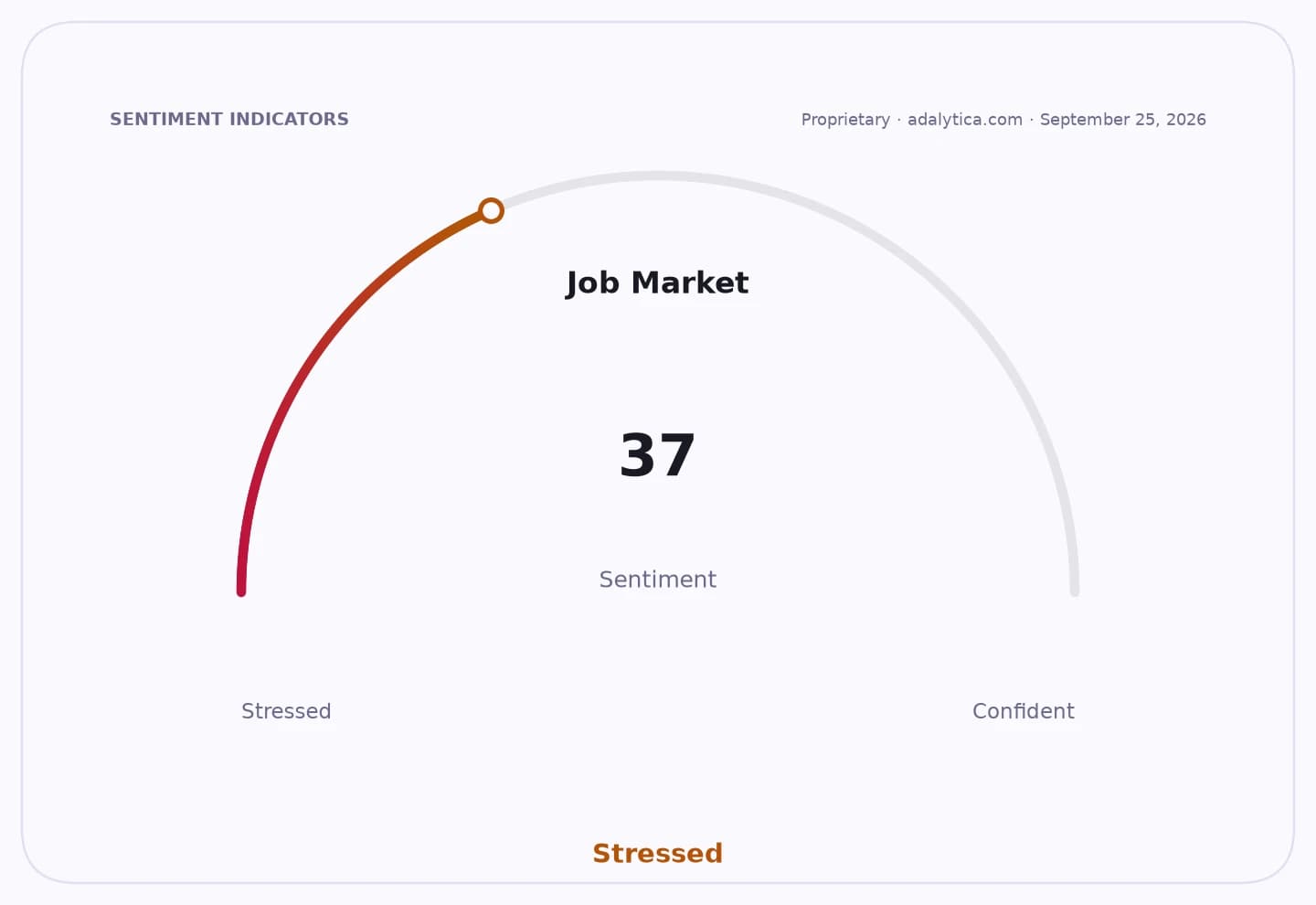
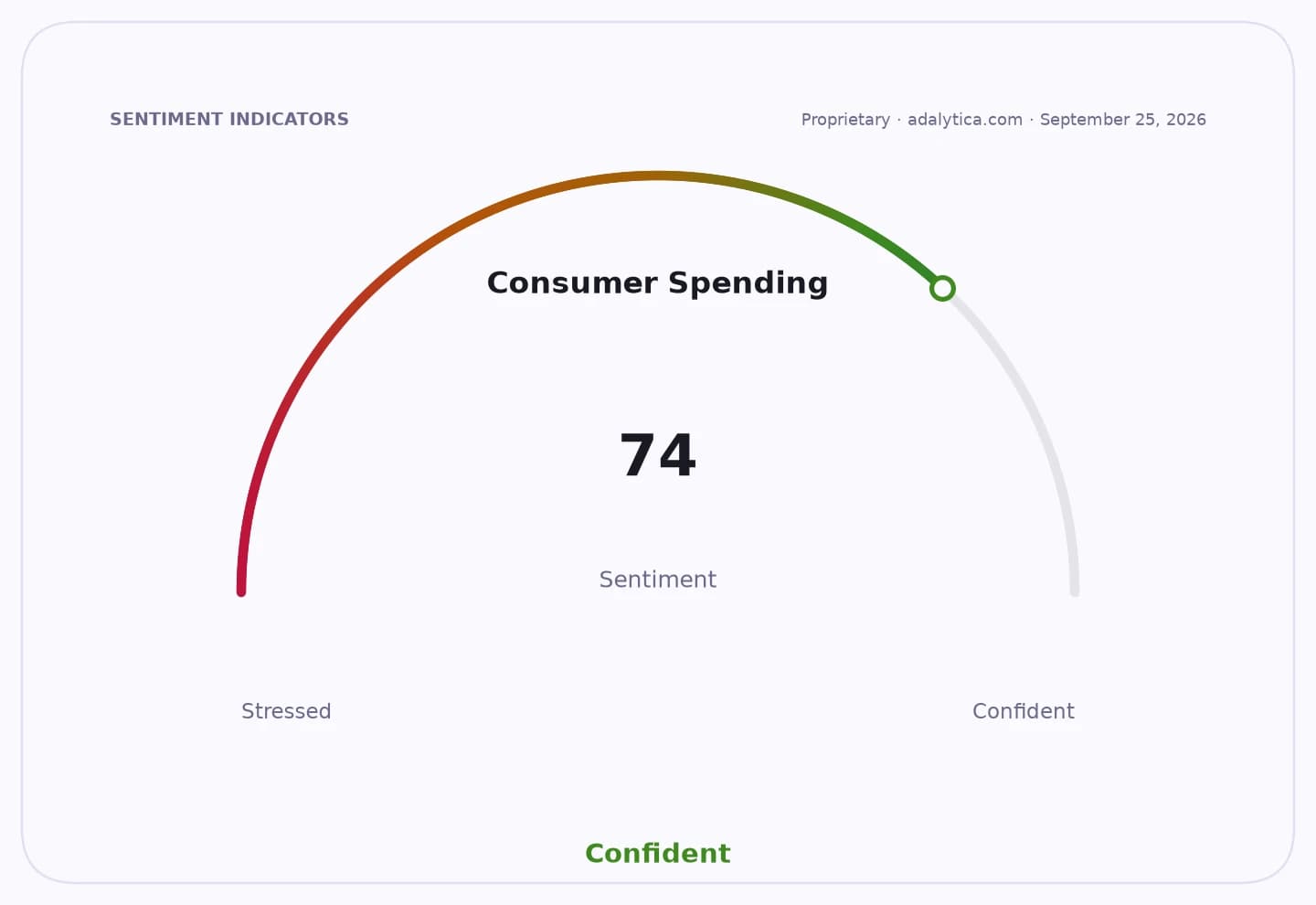
Adalytica’s consumer spending sentiment snapshot remains in “Extreme Greed,” underscoring how quickly expectations around discretionary demand can swing. For now, the market is still pricing in a consumer that is fragile but spending, with travel and lodging positioned to benefit first if the World Cup booking wave builds into late 2026.
| Entity | Gains | Losses |
|---|---|---|
| Airbnb | ▲World Cup bookings | ▼Slower discretionary demand |
| Marriott | ▲Higher occupancy and rates | ▼Softer travel sentiment |
| Hilton | ▲Group and leisure travel lift | ▼Any consumer pullback |
| U.S. consumers | ▲Travel spending opportunities | ▼Higher trip and living costs |