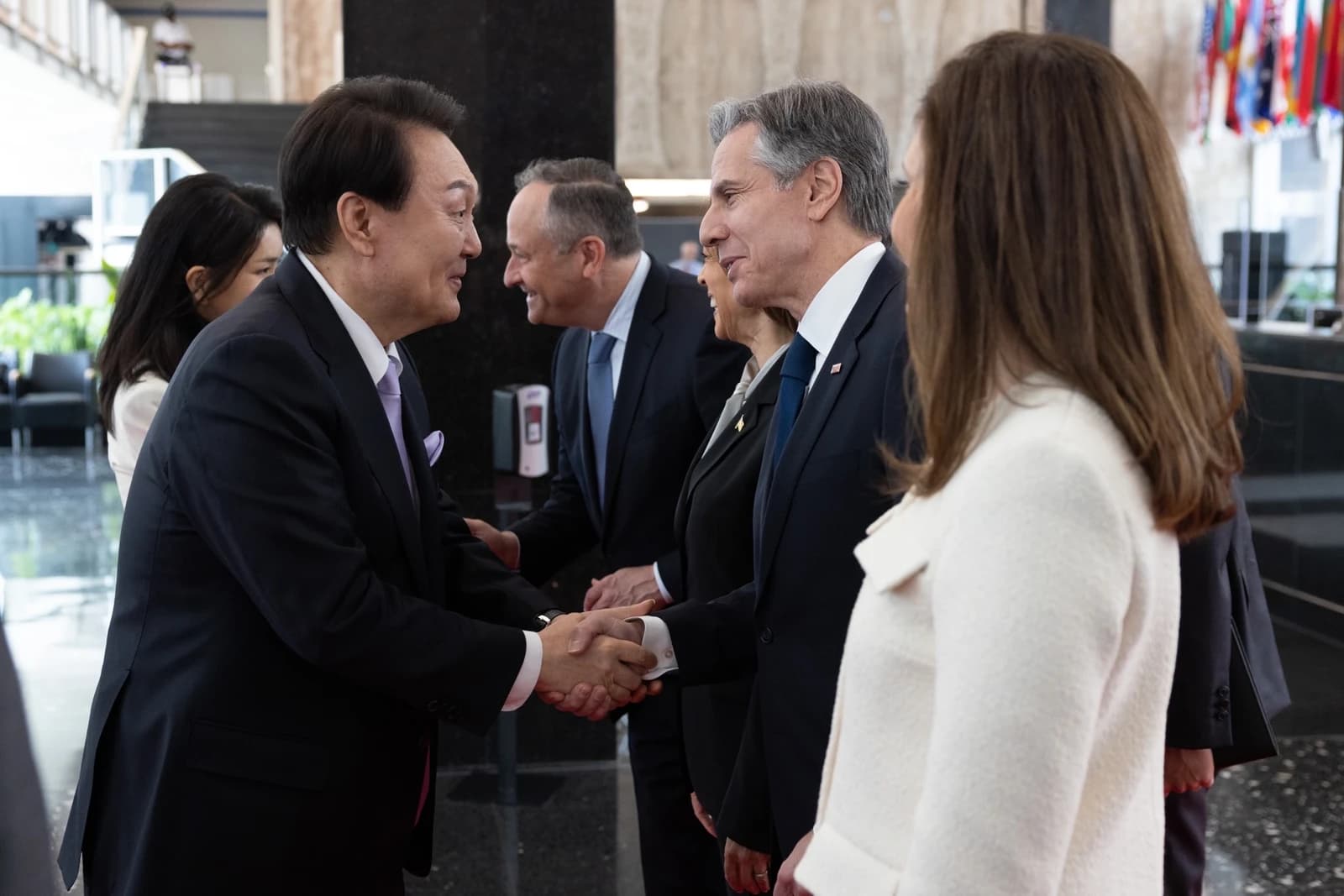
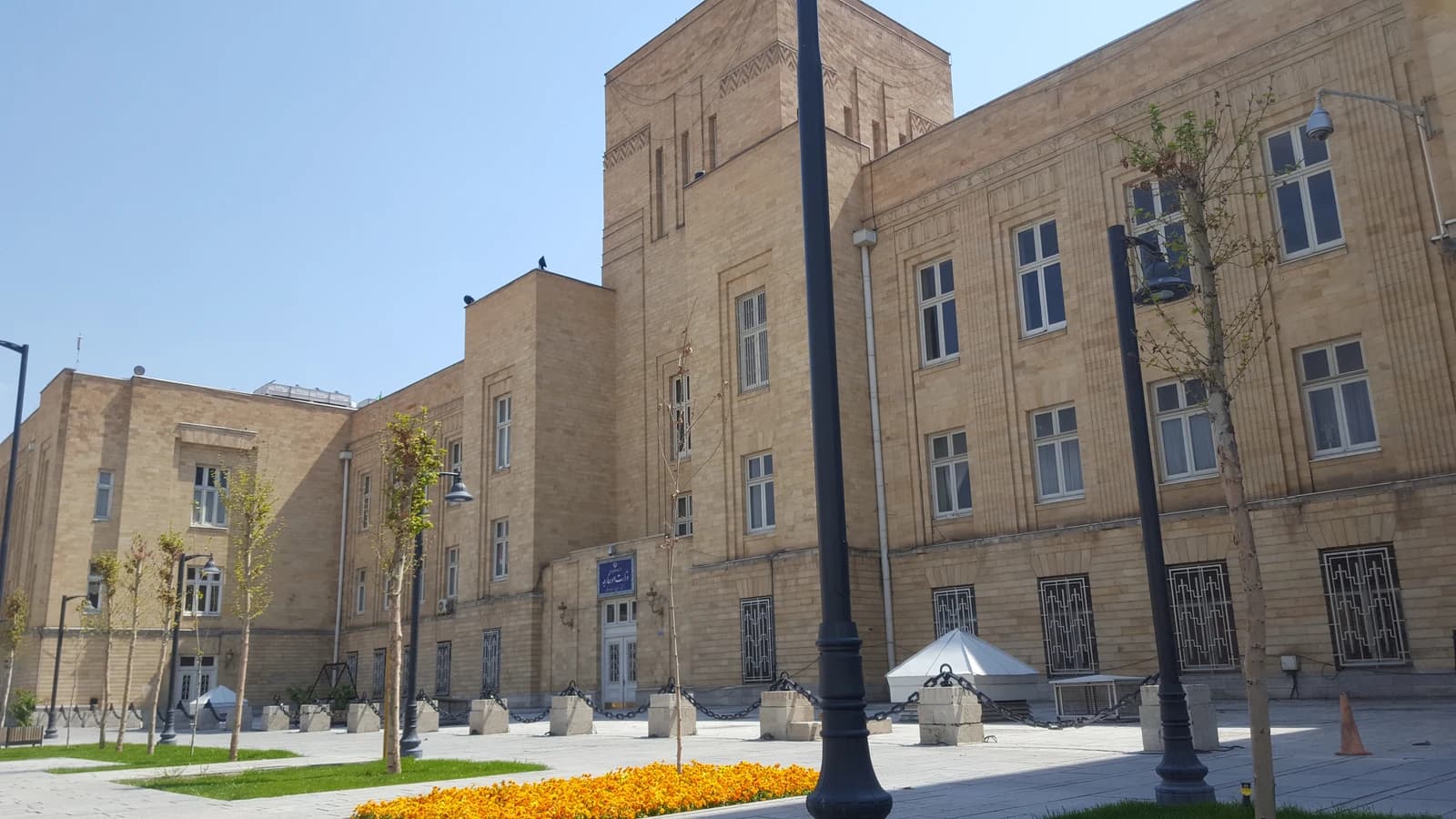
The UAE’s move to restore relations with Iran is the most important signal yet that Gulf states are trying to lower the geopolitical temperature after a run of attacks and retaliation in the region, a shift that could steady oil markets and reduce the odds of a wider confrontation.
UAE-Iran Thaw May Ease Oil Risk Premium
For investors, the significance is immediate: any easing in Gulf tensions tends to pressure the war-risk premium embedded in crude, shipping and regional defense assets, while improving the outlook for trade, aviation and capital flows through the UAE and its neighbors. The step also suggests the Gulf’s largest commercial hubs are prioritizing stability over escalation, even as they publicly condemn Iranian-backed violence and stand with countries hit by attacks.
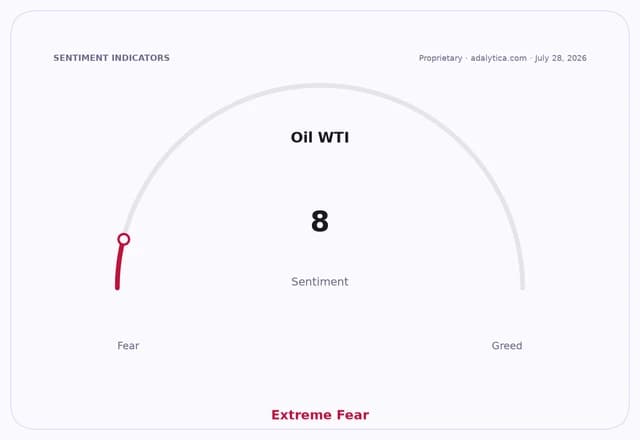
Oil markets are already treating the region as a geopolitical barometer. USO, the United States Oil Fund, has swung sharply in recent weeks, reflecting how quickly crude traders price in Middle East risk, with the fund still well above its spring lows but down from July’s spike as fears of disruption ease and then return. Its latest reading shows the ETF at 124.76 on July 27, after touching 139.49 on July 23, while Adalytica’s Oil WTI Trade Signals remain in “Extreme Fear,” underscoring how fragile sentiment is even when prices stabilize.
The broader energy complex is also sensitive to any thaw. XLE, the energy sector ETF, ended July 27 at 58.36, off from 59.38 two sessions earlier, while Exxon Mobil closed at 154.77 after peaking above 156 in the previous two sessions. That kind of price action suggests investors are still balancing stronger oil-linked cash flow against the possibility that a diplomatic reset could cool crude prices and narrow margins for producers.
The UAE has often tried to hedge its security concerns with pragmatic diplomacy, keeping commercial ties open even when politics sour. Restoring relations with Iran would fit that strategy, especially as Gulf governments look to avoid being dragged into a broader conflict that could threaten ports, shipping lanes, tourism and foreign investment.
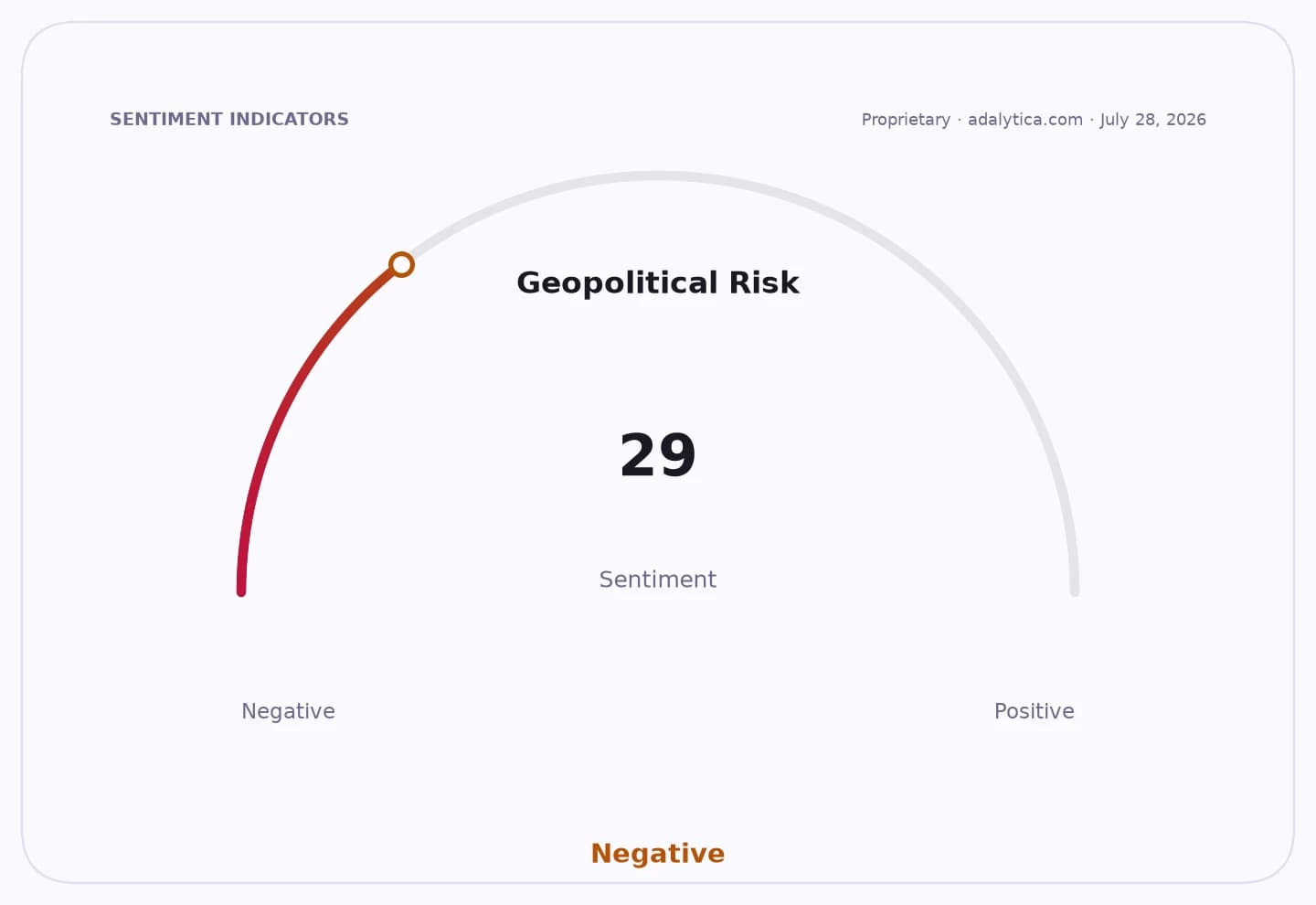
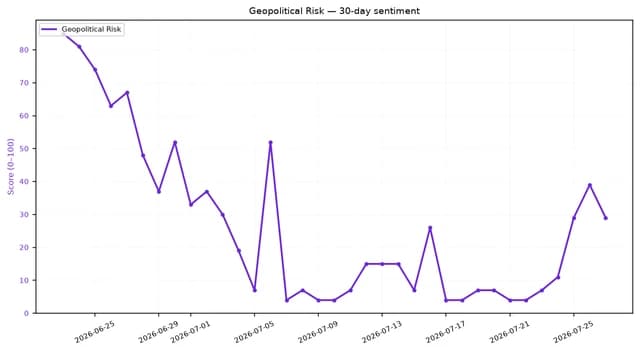
Adalytica’s Global Stability Sentiment remains in “Fear” at 29, despite a 25-point rise over the past week, a sign that markets are still pricing in elevated regional risk even after the latest diplomatic signals. The next catalyst is whether the UAE’s reset with Tehran leads to follow-on moves from other Gulf capitals, or whether fresh attacks reverse the thaw and send crude and energy stocks back into another volatility spike.
| Entity | Gains | Losses |
|---|---|---|
| UAE and Gulf trade hubs | ▲Lower security risk | ▼Less leverage from pressure |
| Iran | ▲Diplomatic opening | ▼Fewer gains from brinkmanship |
| Oil consumers and airlines | ▲Softer war-risk premium | ▼Less protection from supply shock hedges |
| Energy producers and defense names | ▲Stable demand backdrop | ▼Lower geopolitical upside |