Inflation is changing family economics in the UK, and one of the clearest signs is that marriages ending in divorce are lasting longer before they break down.
UK Divorce Age Reaches Record High in 2025
In England and Wales, the average marriage that ended in divorce lasted 13 years in 2025, the longest period on record since official data began in 1963, according to the Office for National Statistics. That matters because it shows how rising living costs can delay not just big purchases and hiring decisions, but deeply personal choices too: when households are under strain, the price of separating can keep couples together longer than they otherwise would be.
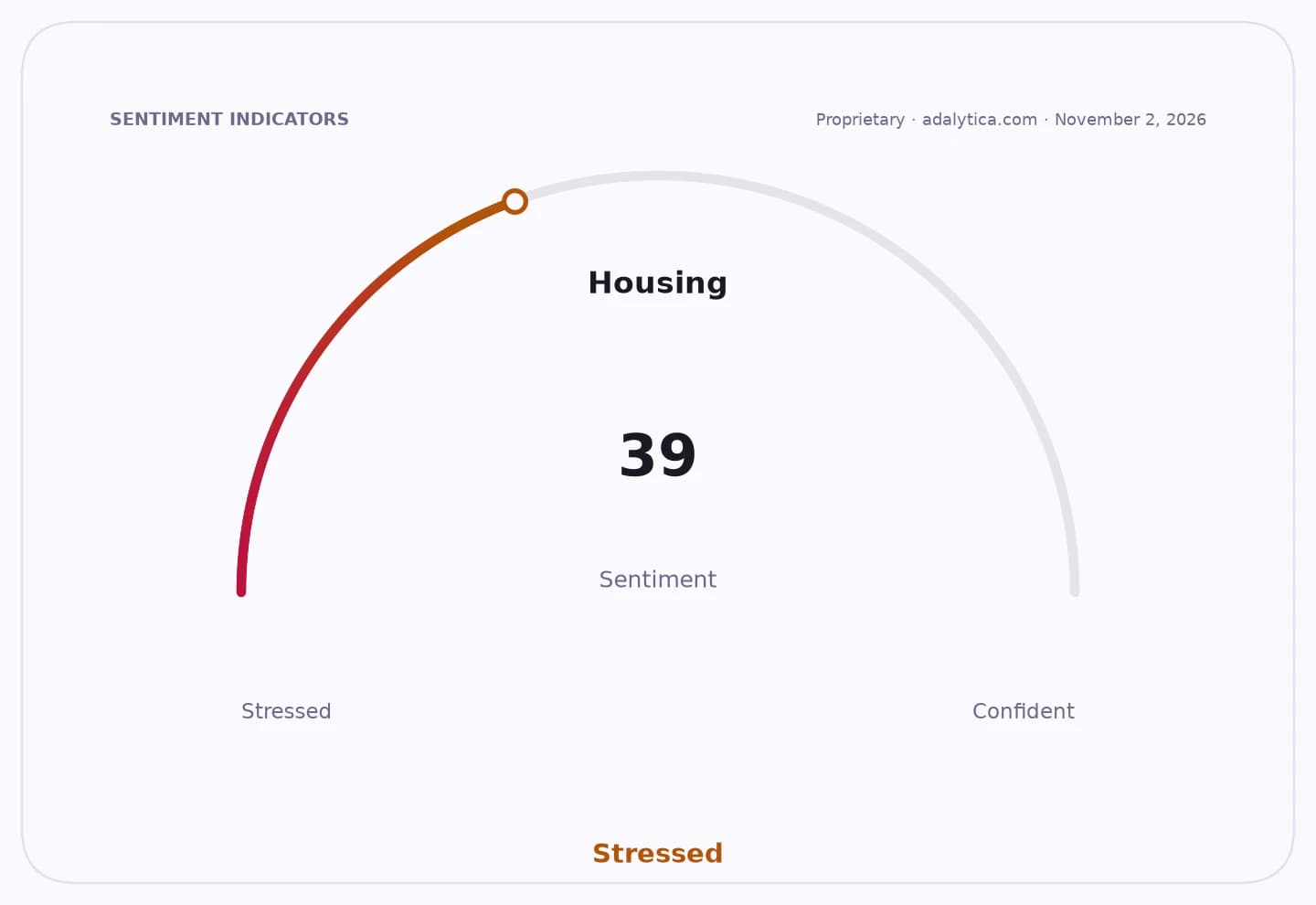
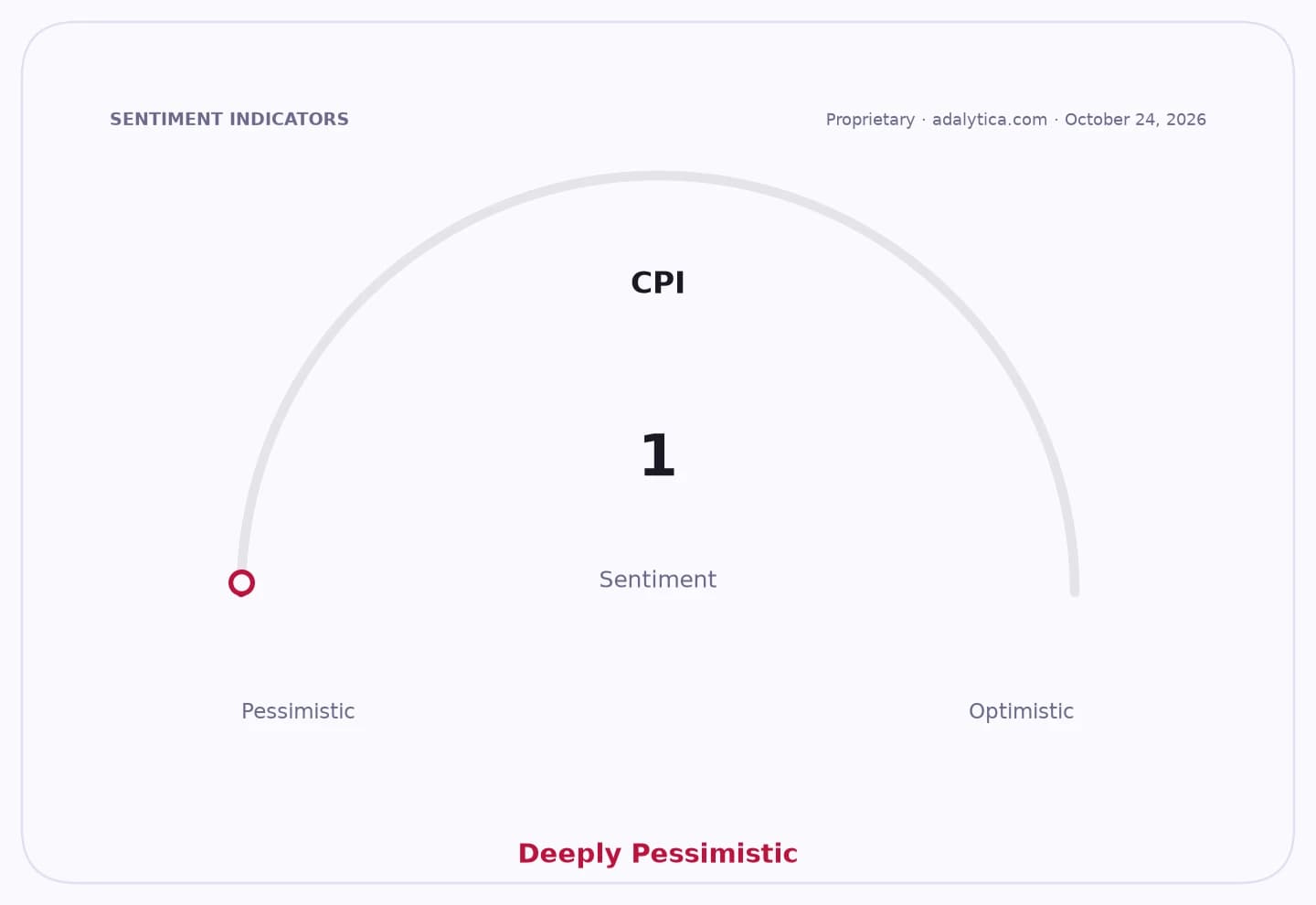
Sentiment Indicators
The economic logic is straightforward. A breakup usually means two homes, two sets of bills, and a second round of rent or mortgage payments at a time when housing, childcare and day-to-day costs are already elevated. For many couples, that makes divorce less of an immediate decision and more of a financial calculation. Some are opting first for mediation, counselling or couples therapy, while others are staying under the same roof even after separating because they cannot easily afford to split up household costs.
That shift has real economic consequences beyond the family court system. If more couples delay divorce, demand for rental housing, legal services and even consumer spending tied to household formation may be pushed out in time. At the same time, the data suggest this is not a story of rising divorce rates. The ONS said 105,002 divorces were recorded in 2025, below the peaks reached in the 1980s, 1990s and early 2000s. The bigger story is that the marriages that do end are ending later.
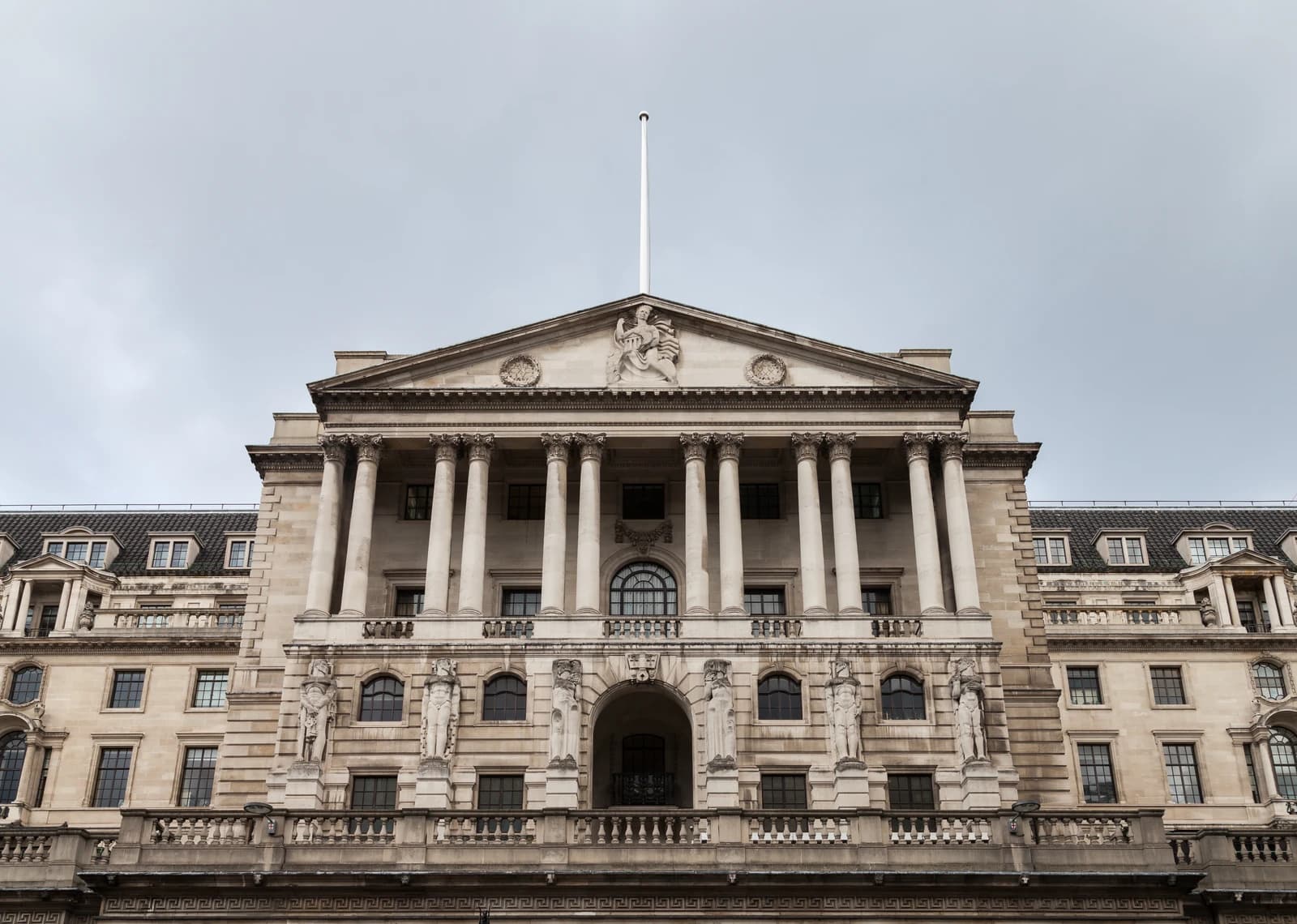
For investors, the message is that inflation is still working its way through the economy in ways that standard price data do not capture. The UK’s consumer price environment remains relevant not only for the Bank of England, but also for companies exposed to housing, discretionary spending, counselling services and legal demand. When inflation squeezes household balance sheets, it can change behavior at the margin in ways that ripple across sectors.
The longer-term takeaway is that high costs tend to postpone decisions rather than erase them. If inflation eases and borrowing costs stabilize, some of these delayed separations may eventually surface. For now, the data point to a simple but telling reality: in Britain, inflation has made divorce harder to afford, and that has lengthened marriages on paper even as household stress builds underneath. Investors should keep that behavioral drag in mind, because it is exactly the kind of second-order effect that can shape consumer trends over the next few years.
| Entity | Gains | Losses |
|---|---|---|
| Mediation and therapy providers | ▲More demand | ▼Fewer immediate divorces |
| Landlords and mortgage lenders | ▲Delayed household splitting | ▼Faster turnover from new households |
| Divorce lawyers | ▲Later, more complex cases | ▼Some couples postpone filing |
| UK consumers under inflation pressure | ▲Temporary cash preservation | ▼Greater household stress |