UK employers reported weaker hiring in October even as pay growth remained strong, underscoring a labour market that is cooling only gradually and leaving the Bank of England with little reason to rush into rate cuts.
UK hiring weakens as pay growth stays strong
The latest reading points to a familiar tension in the British economy: firms are trimming recruitment plans as growth slows, but they are still paying up to retain staff. That combination matters because softer hiring should eventually ease wage pressure and help inflation fade, yet persistent pay growth can keep services inflation sticky and delay monetary easing.
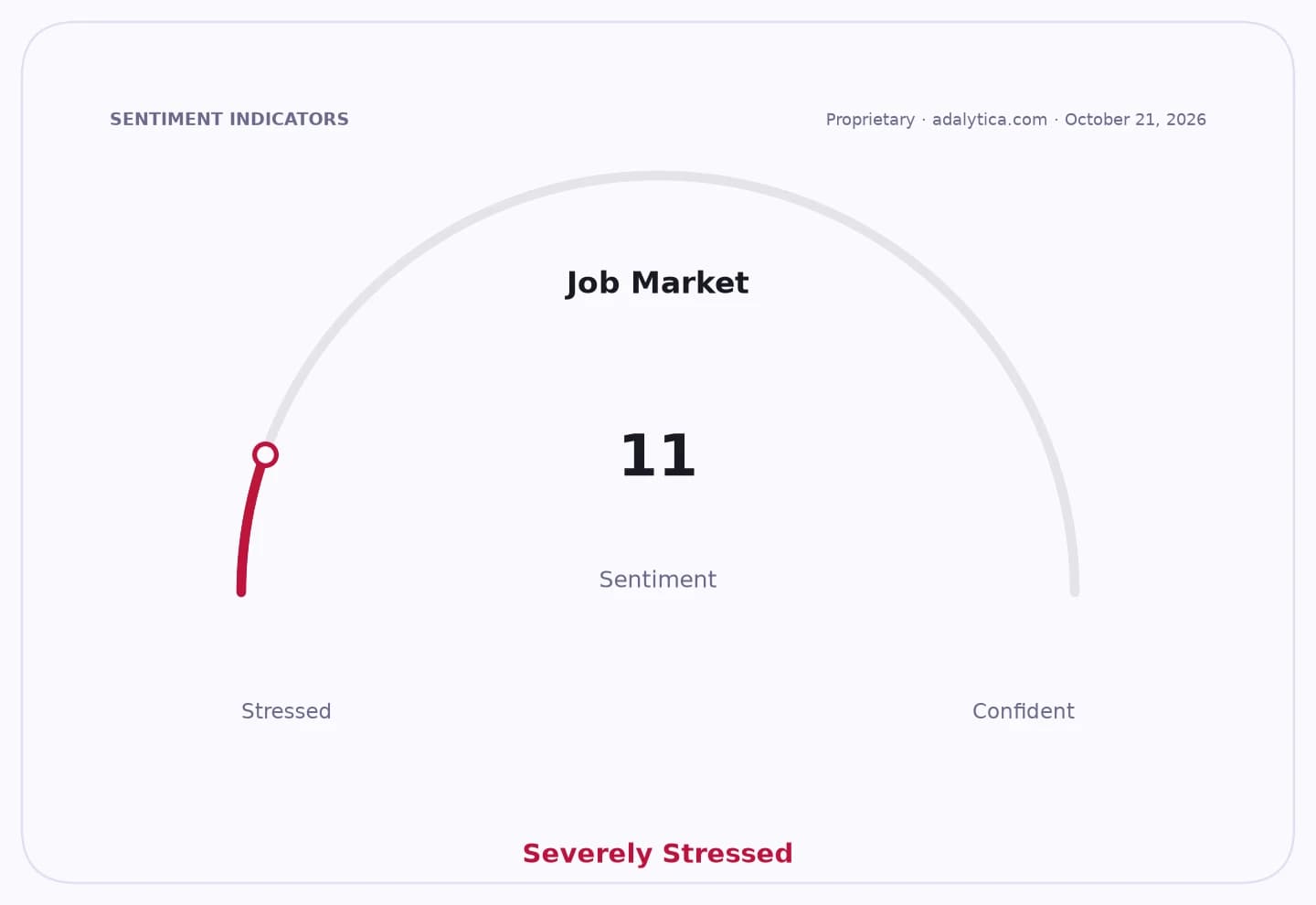
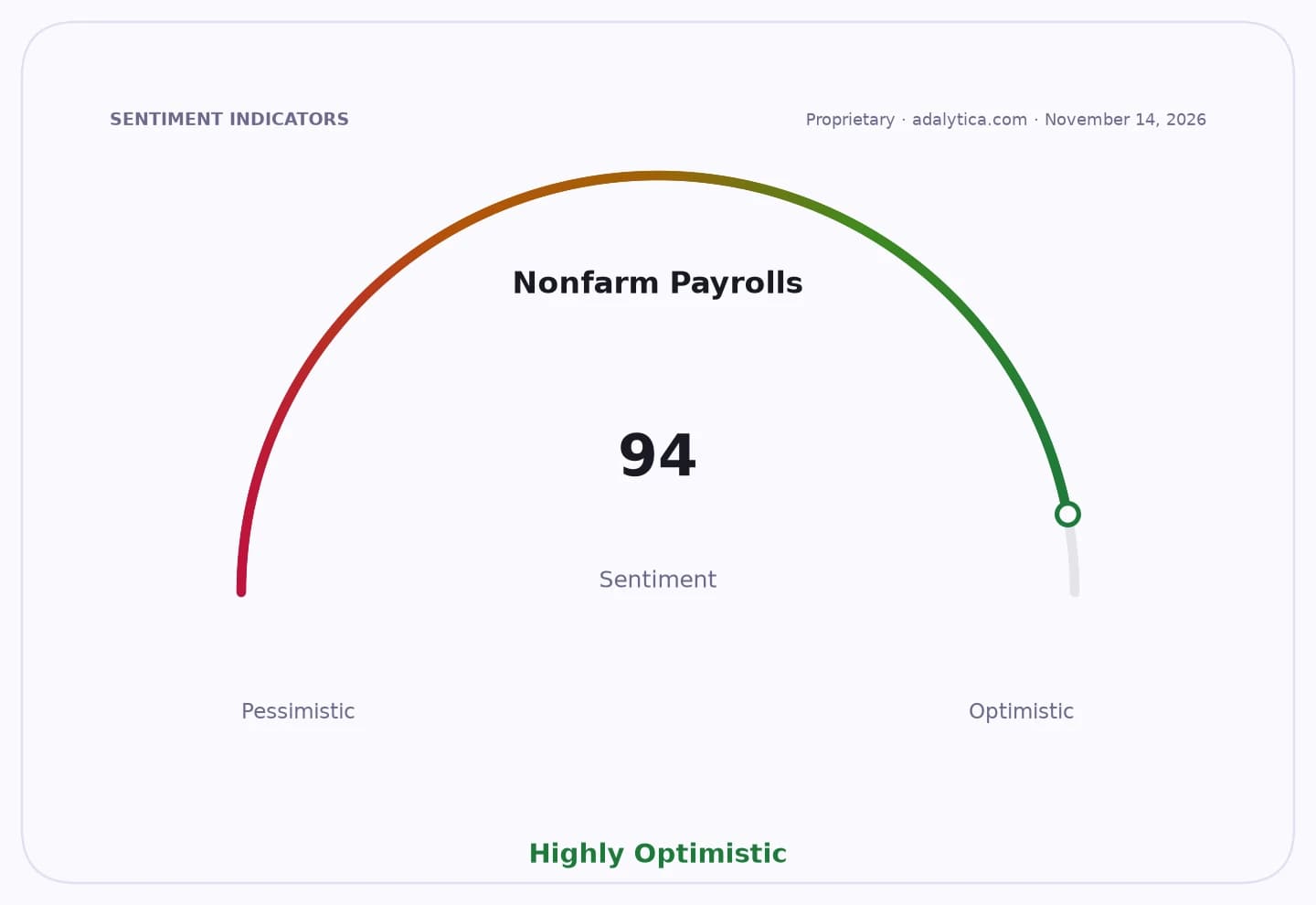
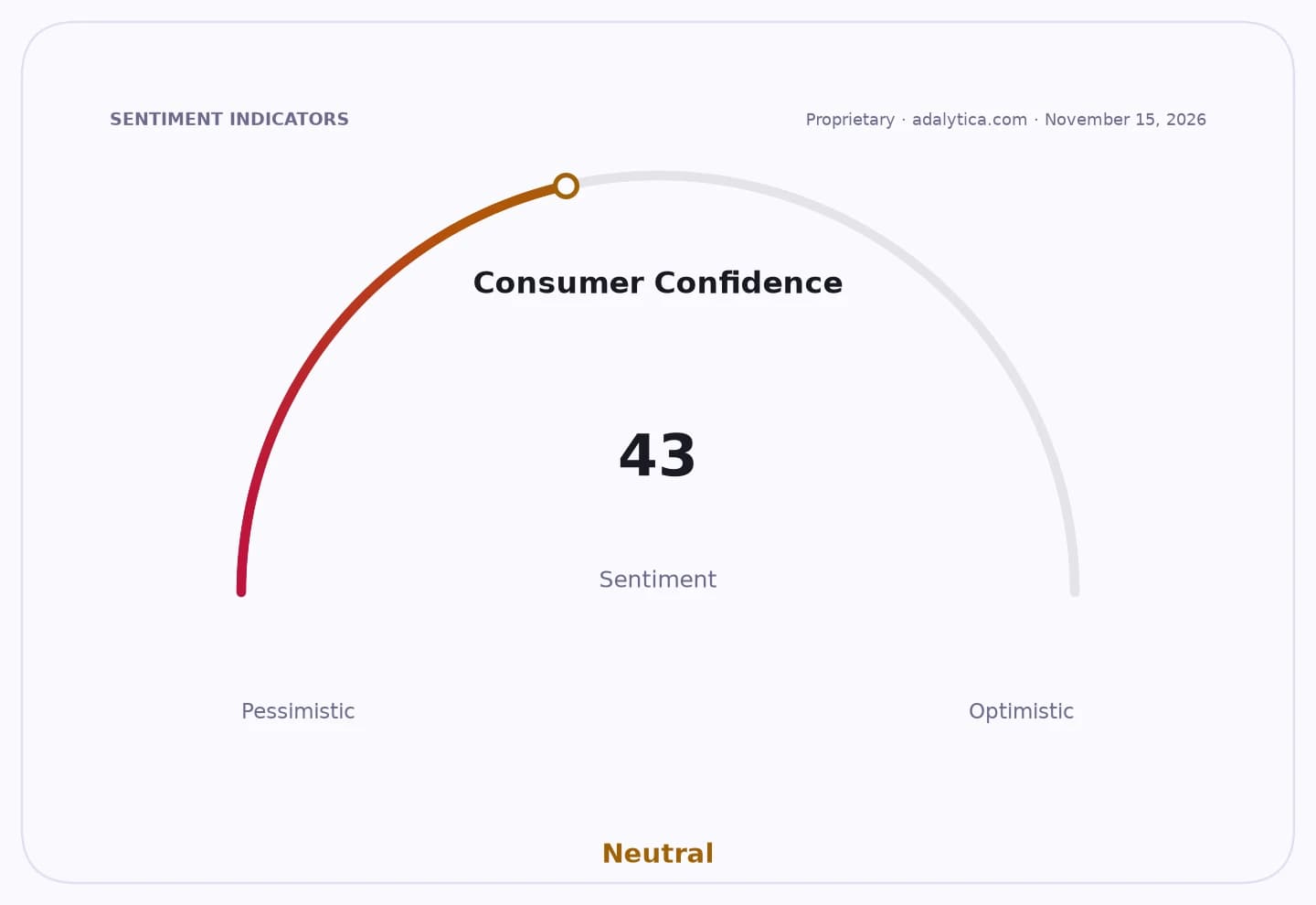
Sentiment Indicators
Investors are likely to read the data as supportive of the Bank of England’s cautious stance. If employers are hiring less but wages are still advancing, the economy is losing momentum without yet delivering the disinflation policymakers want. That makes the timing of any rate cut more uncertain and keeps gilt traders focused on incoming labour and inflation prints for clues on how fast pricing pressure is receding.
The broader market backdrop remains one of resilience rather than abrupt weakening. UK unemployment is still low by historical standards, and a payroll base that has continued to edge higher suggests firms are not yet resorting to broad-based layoffs. But weaker hiring indicates businesses are becoming more selective, reflecting higher borrowing costs, slower demand and tighter cost control.
For companies, the message is mixed. Employers may finally get some relief on labour demand, but high pay growth means wage bills remain elevated, pressuring margins in labour-intensive sectors such as retail, hospitality and services. For consumers, sustained wage gains help support household spending power even as mortgage costs and other financing burdens stay high.
The key question for markets is whether this is the start of a cleaner cooling cycle or just a pause in a still-tight labour market. If hiring softens further while wage growth moderates, rate-cut bets could build. If pay remains firm, the Bank of England will have to keep policy restrictive for longer, even if growth continues to slow.
| Entity | Gains | Losses |
|---|---|---|
| UK workers | ▲Stronger pay growth | ▼Fewer hiring opportunities |
| Bank of England | ▲Signs of cooling hiring | ▼Sticky wage inflation |
| Employers | ▲Easier recruitment pressure ahead | ▼Higher wage costs now |
| Gilt bulls | ▲Softer labour demand supports cuts | ▼Delayed easing if pay stays firm |