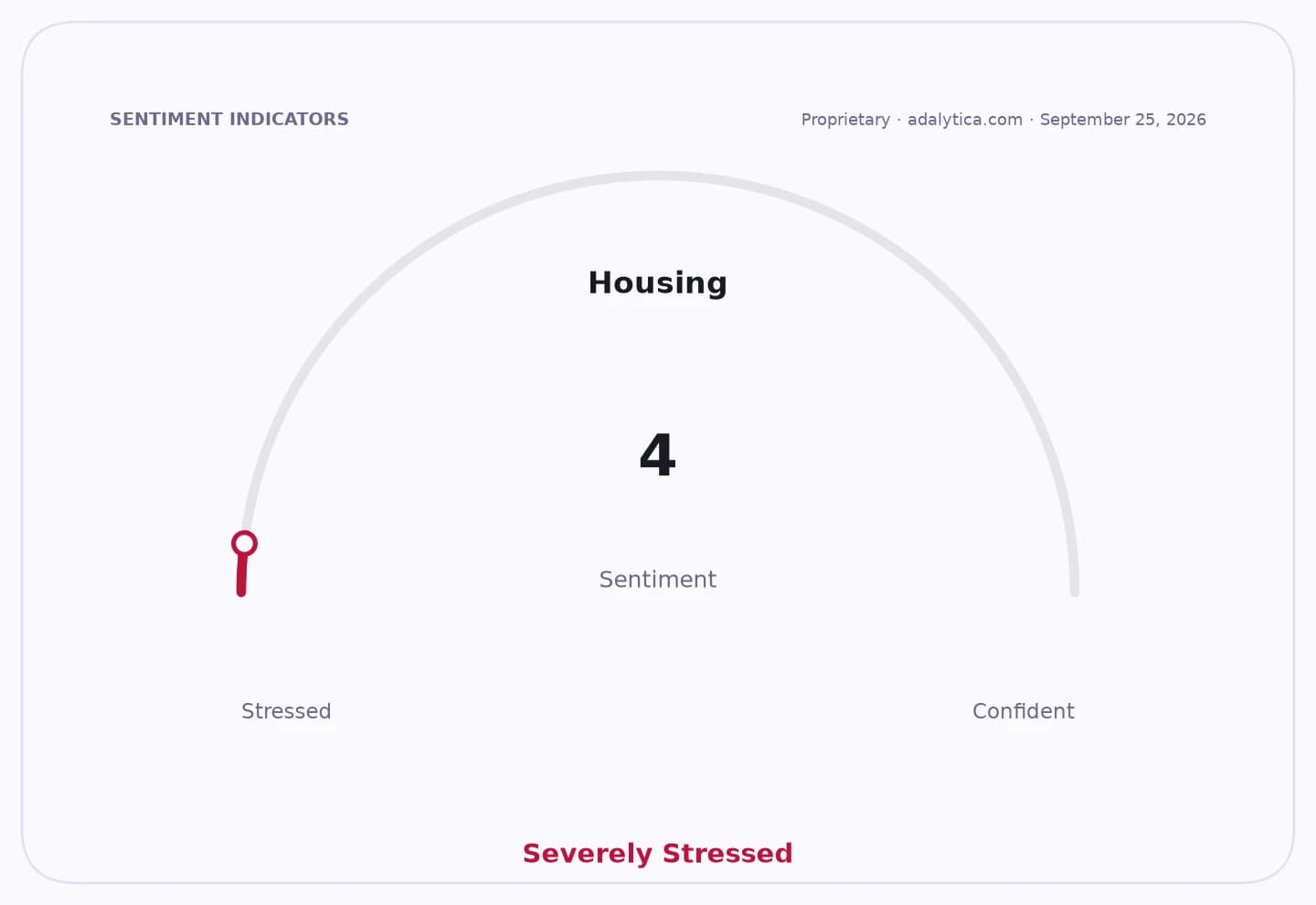
Estate agents are lining up behind the government’s proposed homebuying reforms because they could cut the time, cost and uncertainty that have helped keep Britain’s housing market sluggish even as prices hold firm and mortgage rates remain elevated.
UK homebuying reforms could lift transactions
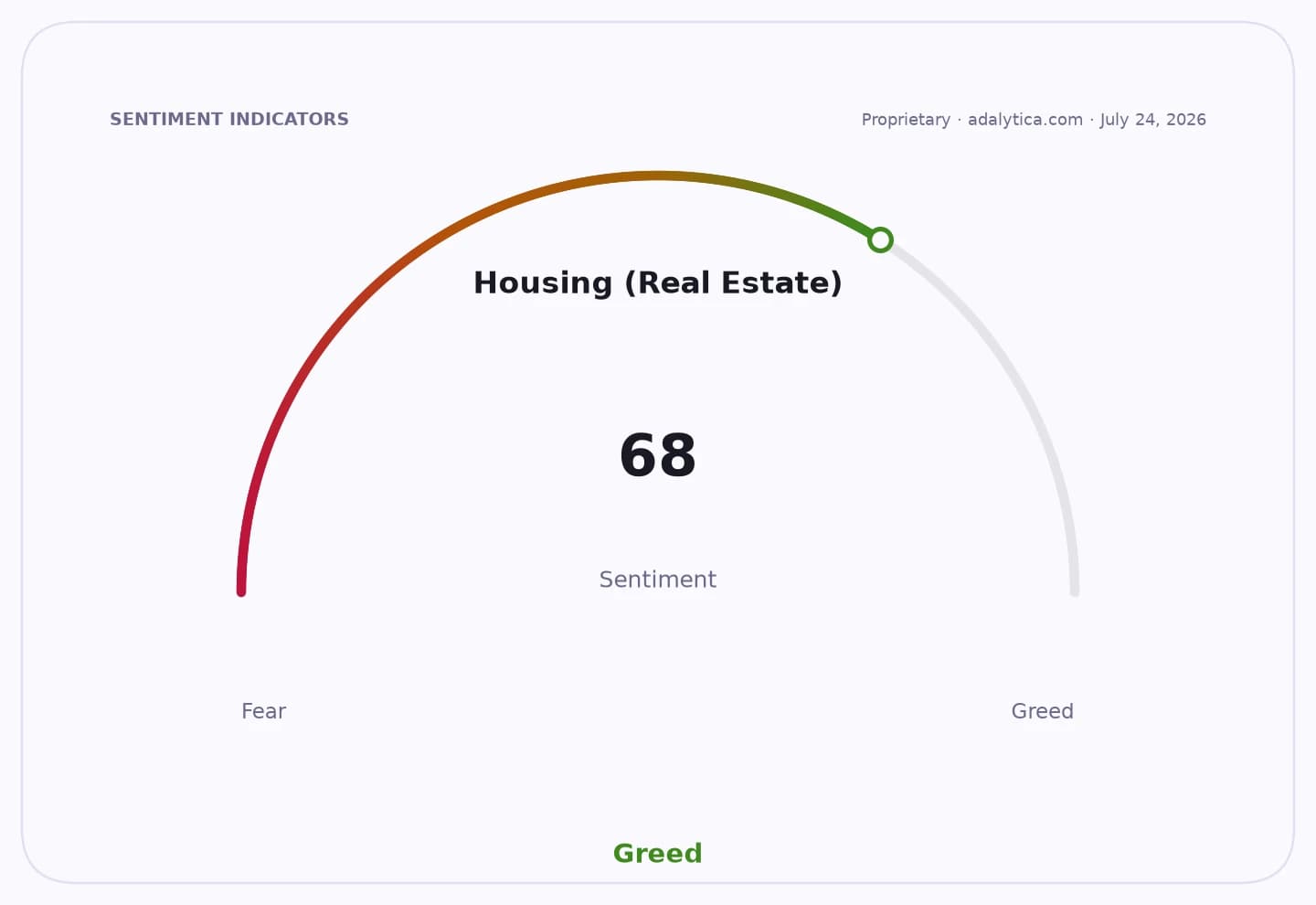
Colby Short, co-founder of GetAgent, said 95% of agents support the changes, underscoring unusual industry consensus around an issue that has long frustrated buyers and sellers alike. The backdrop is a market still constrained by affordability pressures and weak confidence: fresh U.S. data are not relevant here, but British housing remains pinned by high borrowing costs, and the 10-year gilt yield around 4.7% signals funding conditions are still tight enough to keep mortgage rates well above the ultra-low levels that powered the last housing boom.

The case for reform is economic rather than cosmetic. Faster, more transparent transactions can reduce the number of deals that collapse late in the process, lower legal and administrative friction, and improve the efficiency of housing turnover. That matters because residential mobility affects everything from broker commissions and conveyancing volumes to consumer spending, stamp duty receipts and broader labour-market flexibility. In a market where households are already stretched by deposit requirements and monthly repayments, shaving weeks off a sale can be the difference between a deal closing and a buyer walking away.
The data point to a housing market that is still functioning, but unevenly. U.S. homebuilder-related indicators are not the story here; in Britain, the key signal is that transaction speed and confidence, not just prices, are the binding constraint. U.K. housebuilders have been forced to lean on incentives and targeted sales strategies as affordability stays difficult. If reforms make the process less cumbersome, the upside is not necessarily a surge in prices, but a healthier level of transactions and a modest improvement in sentiment across the chain.
That would help agents, conveyancers, lenders and developers that depend on a steady flow of completed sales. It could also aid first-time buyers, who are typically the most vulnerable to delays, broken chains and rising financing costs during the long interval between offer and completion. The bear case is that procedural reform alone cannot offset a market still dominated by high rates and limited affordability; if mortgage costs stay sticky, transaction volumes may improve only marginally.
For investors, the importance lies in whether policy begins to unlock latent demand rather than simply reroute it. Housebuilders, estate agencies and mortgage lenders would benefit most if faster and more certain transactions reduce churn and lift completion rates. The next catalyst will be whether ministers turn broad support into a concrete package that changes behaviour at scale, rather than another consultation that leaves the market’s bottlenecks intact.
| Entity | Gains | Losses |
|---|---|---|
| Estate agents | ▲Higher completion rates | ▼Fewer fall-throughs |
| Homebuyers | ▲Faster, clearer purchases | ▼Less leverage in delays |
| Housebuilders | ▲Better sales flow | ▼Less pricing power |
| Conveyancers/brokers | ▲More transaction volume | ▼More competition on fees |